About Serengeti National Park
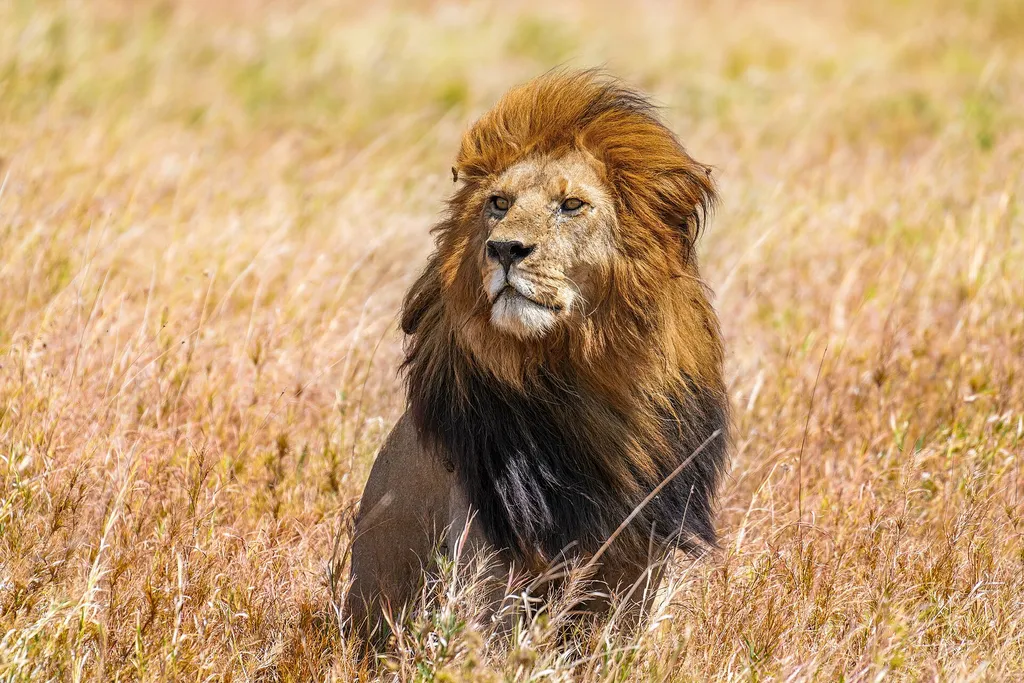
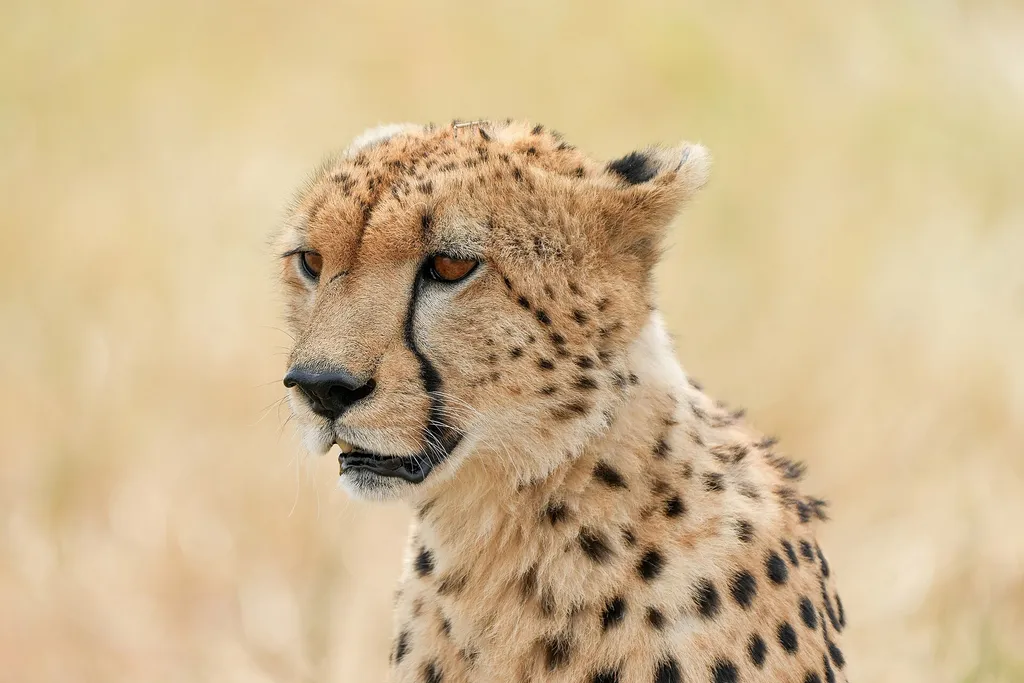
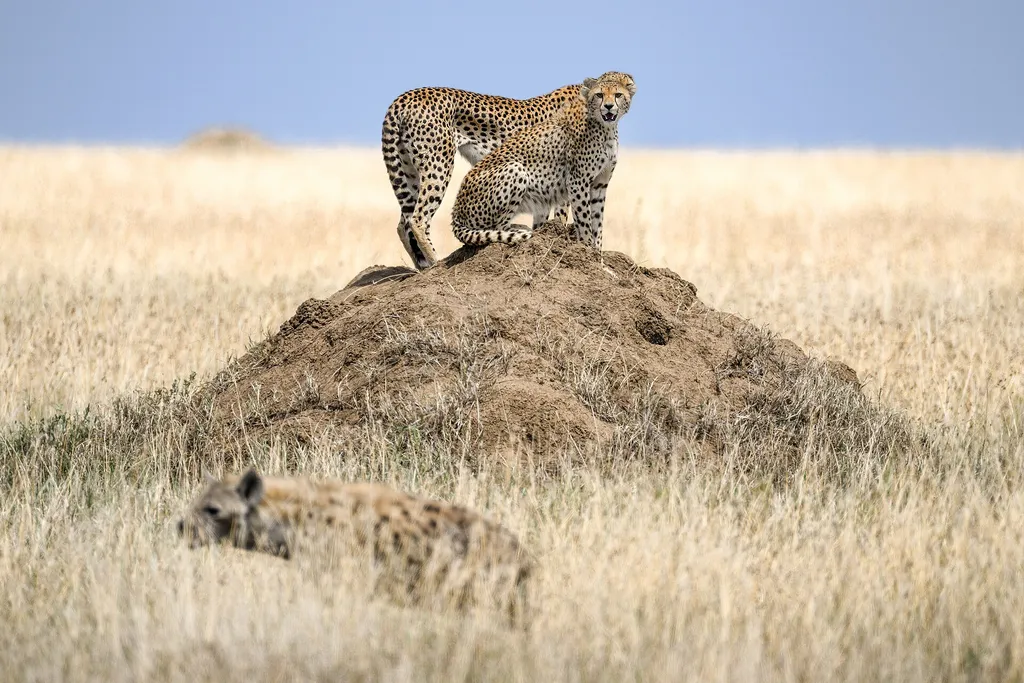
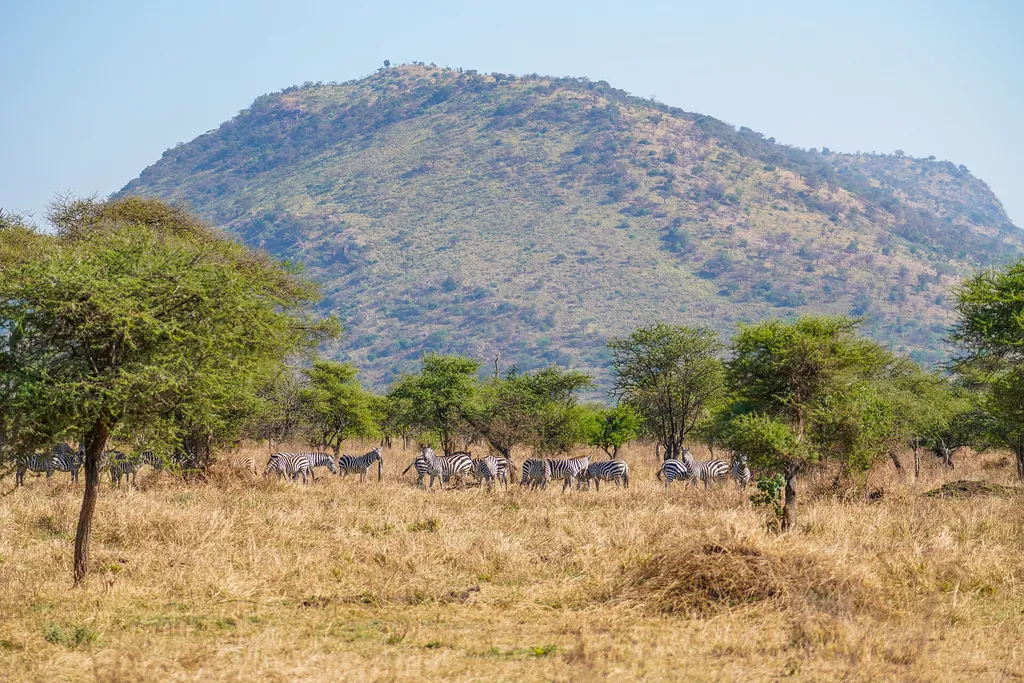
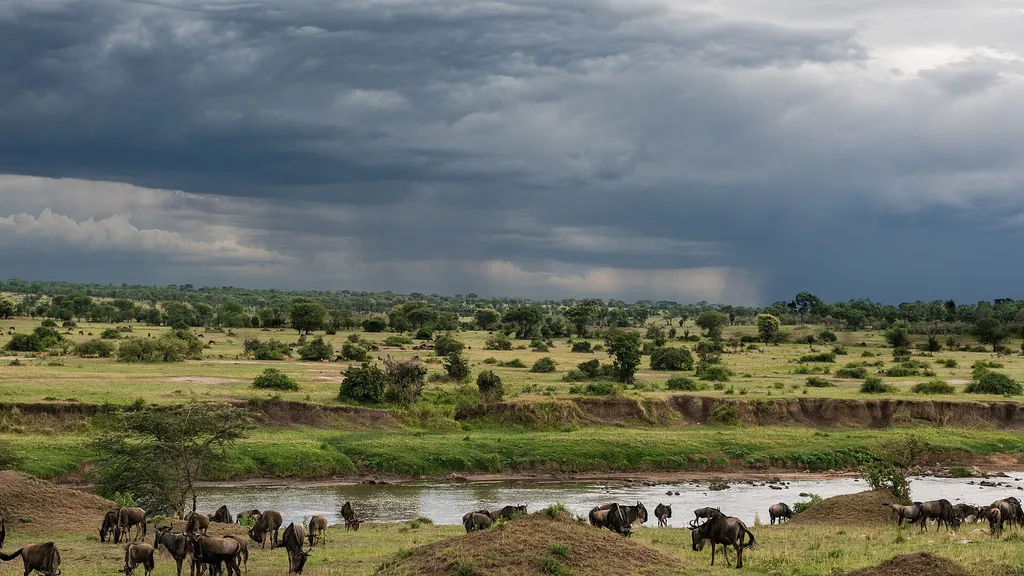
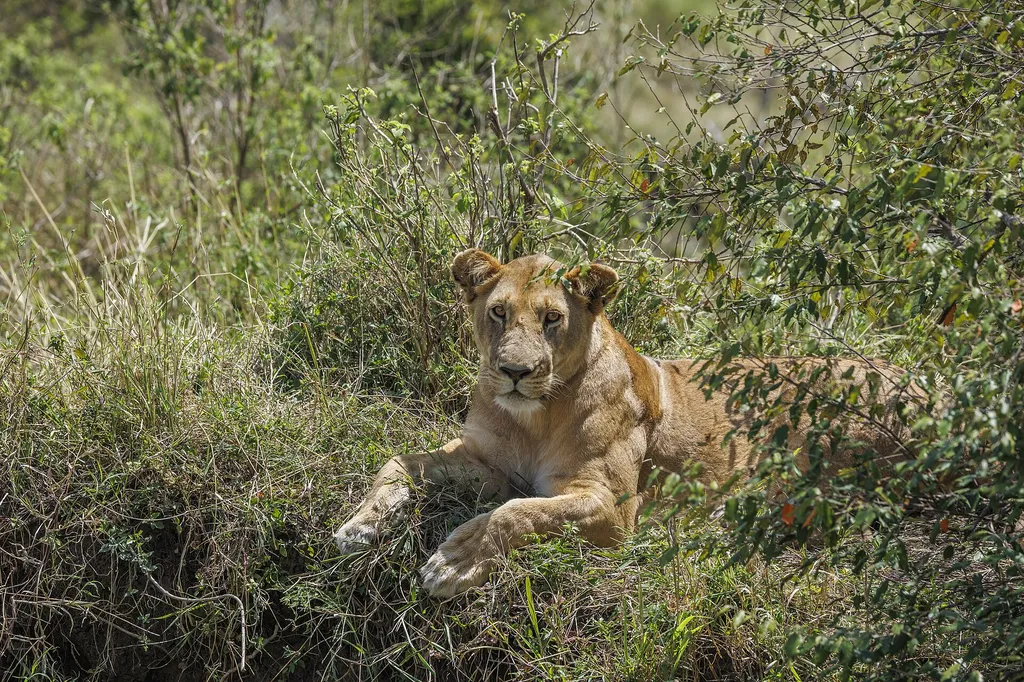
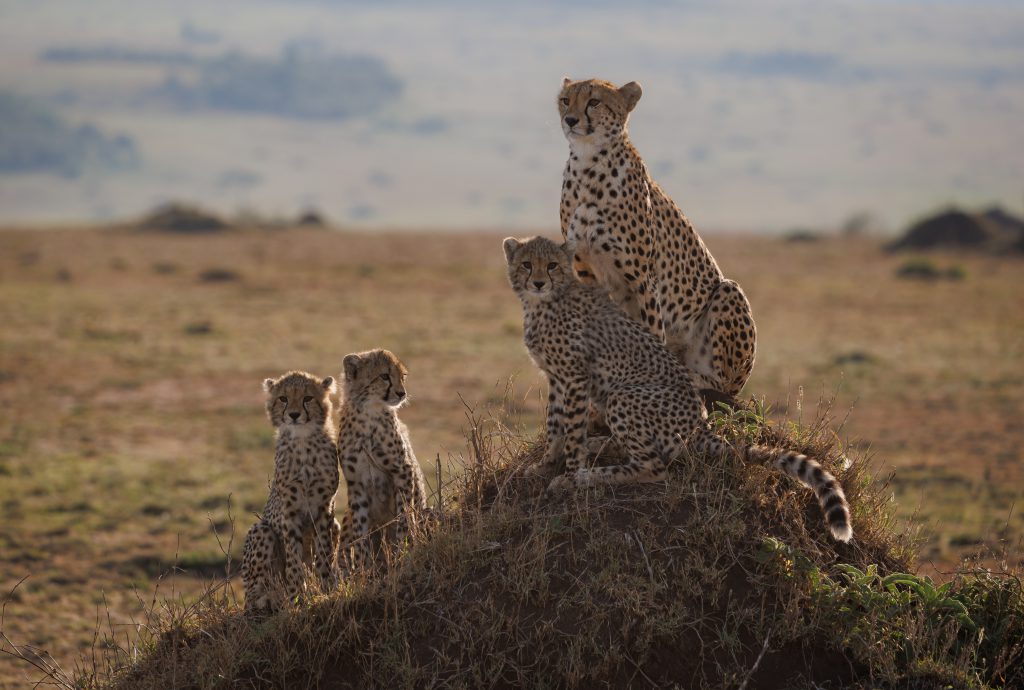
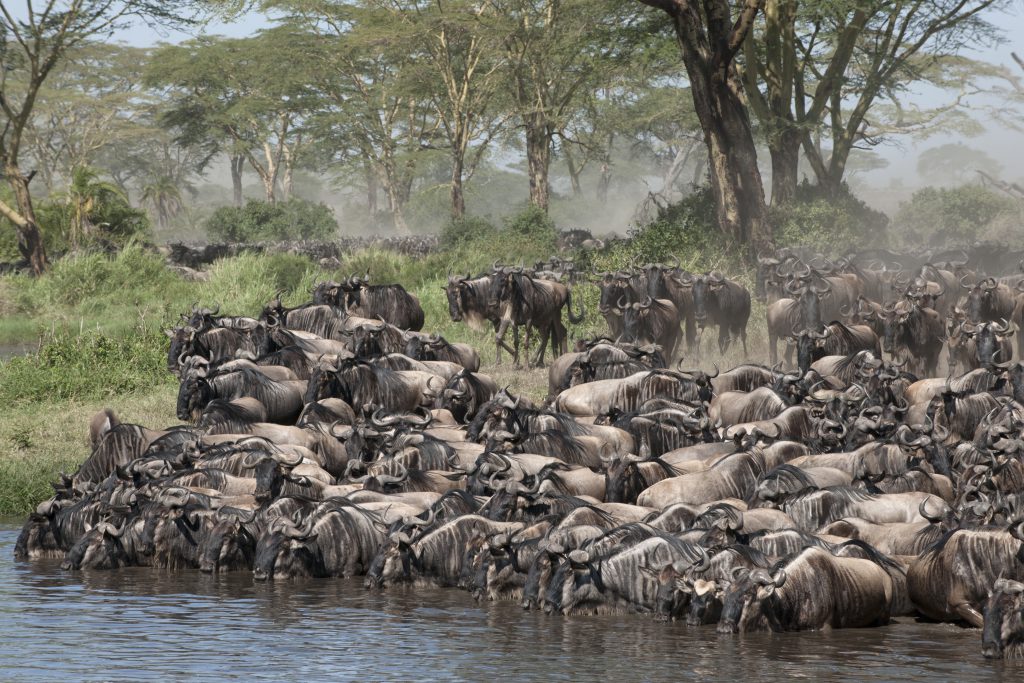
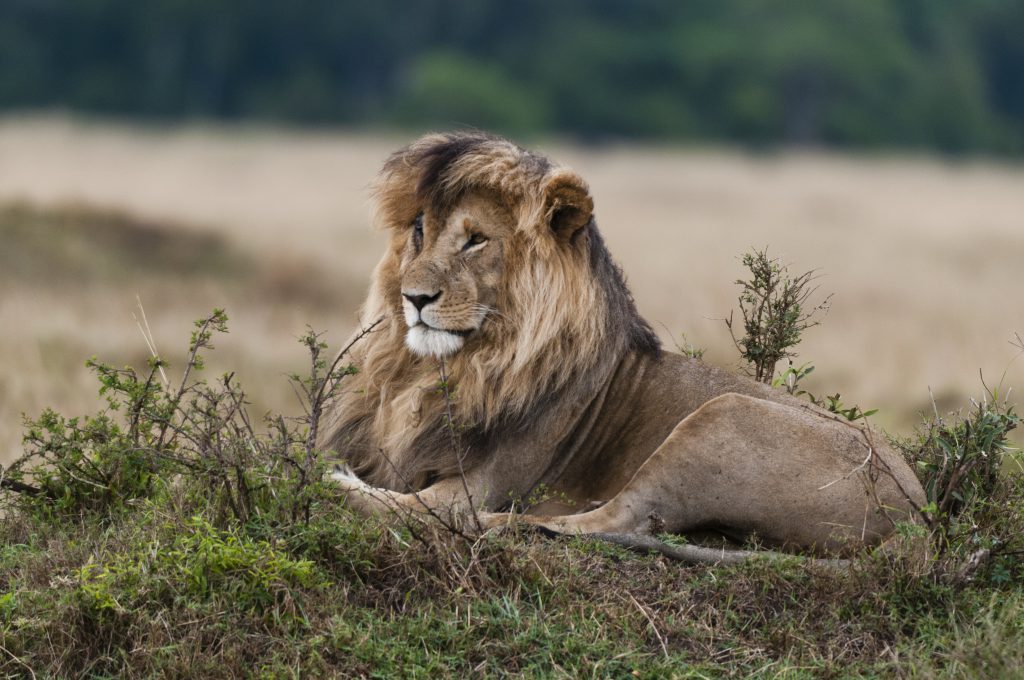
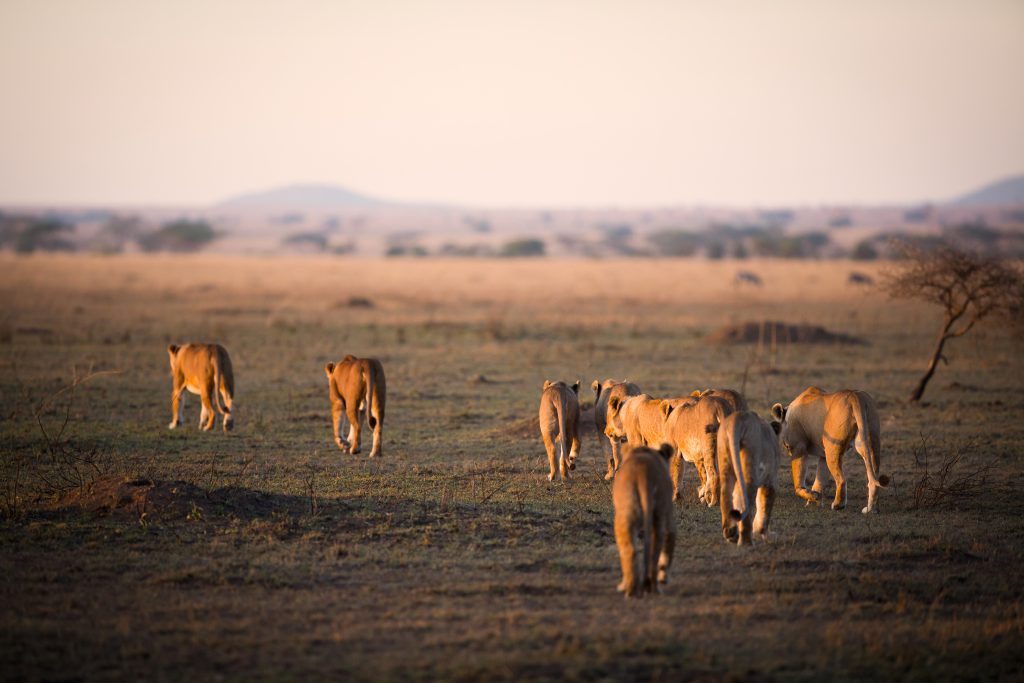
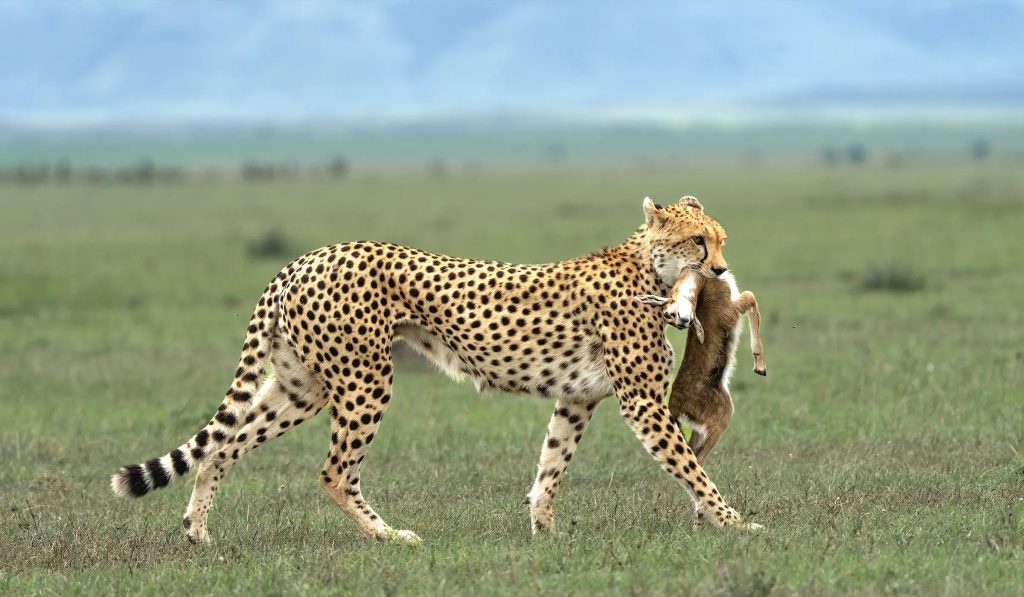
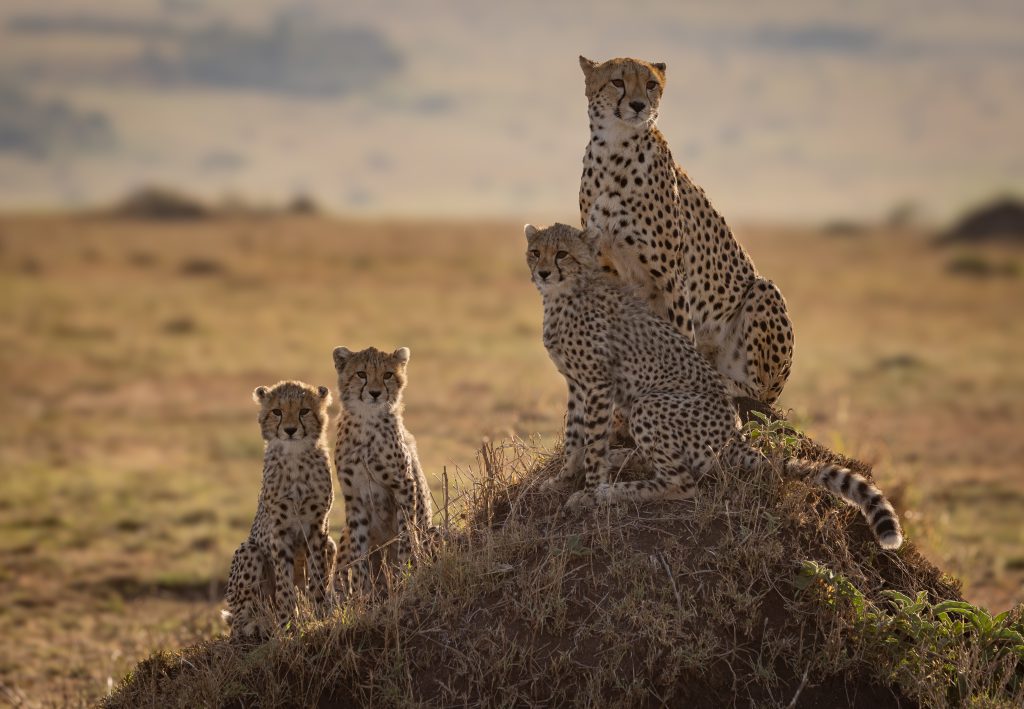
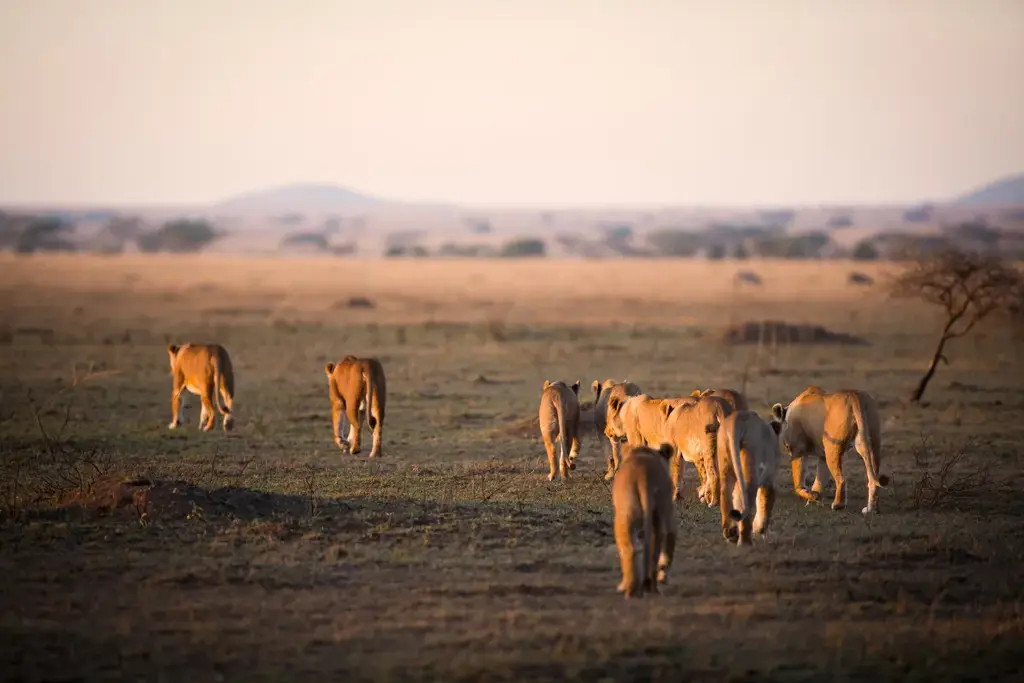
The Serengeti is big, open country. Its name comes from the Maasai word for plains that seem to run on forever, and once you are out on the short grass south of Seronera you will see why. The park covers about 14,750 km² and is a UNESCO World Heritage Site, but numbers do not say much. What matters is that this is one of the few places left where very large herds still move freely, and the lions, cheetahs, leopards and hyenas that follow them are part of everyday life on a game drive.
What you will see
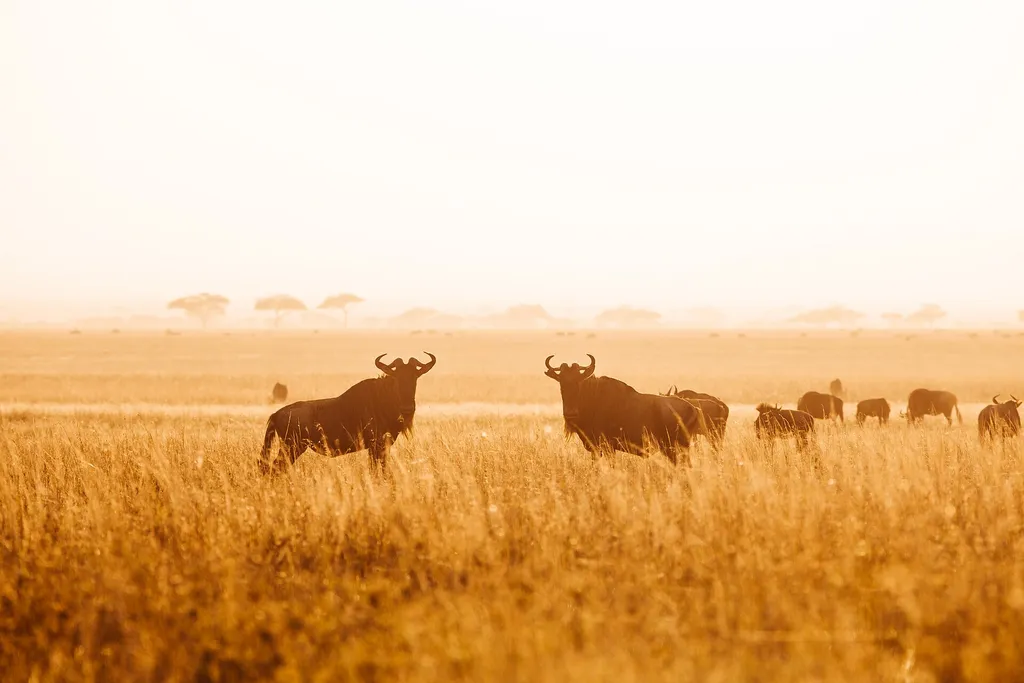
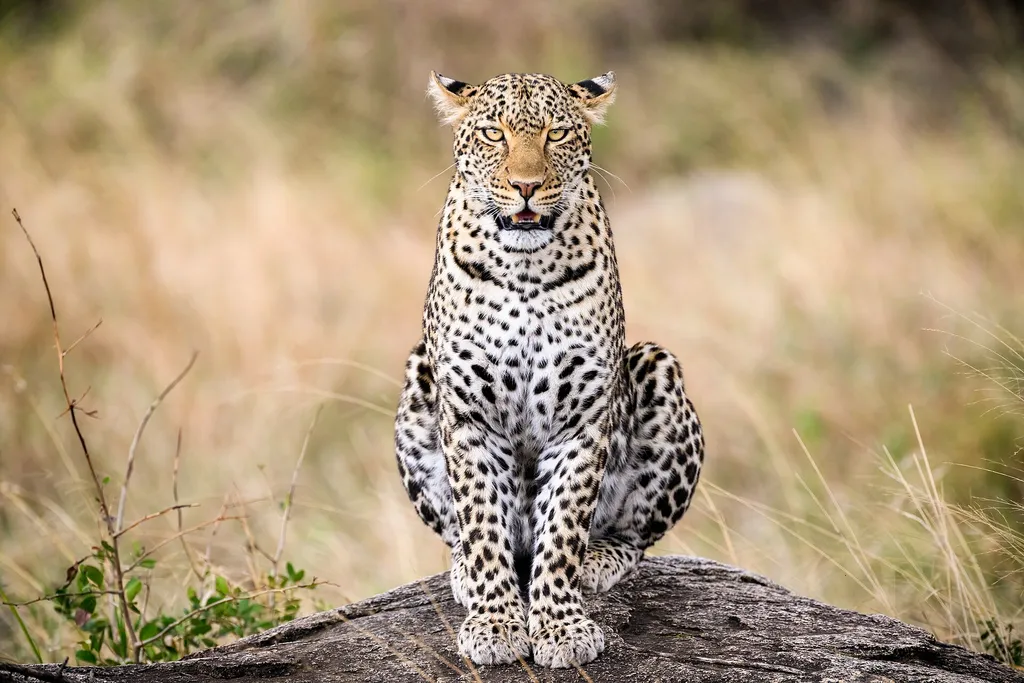
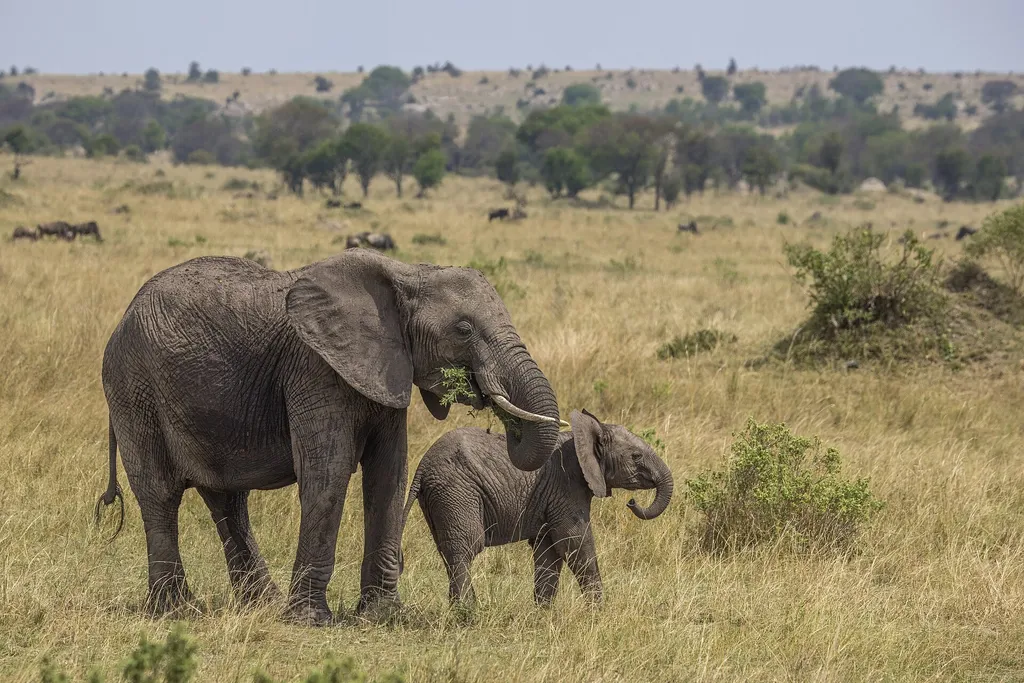
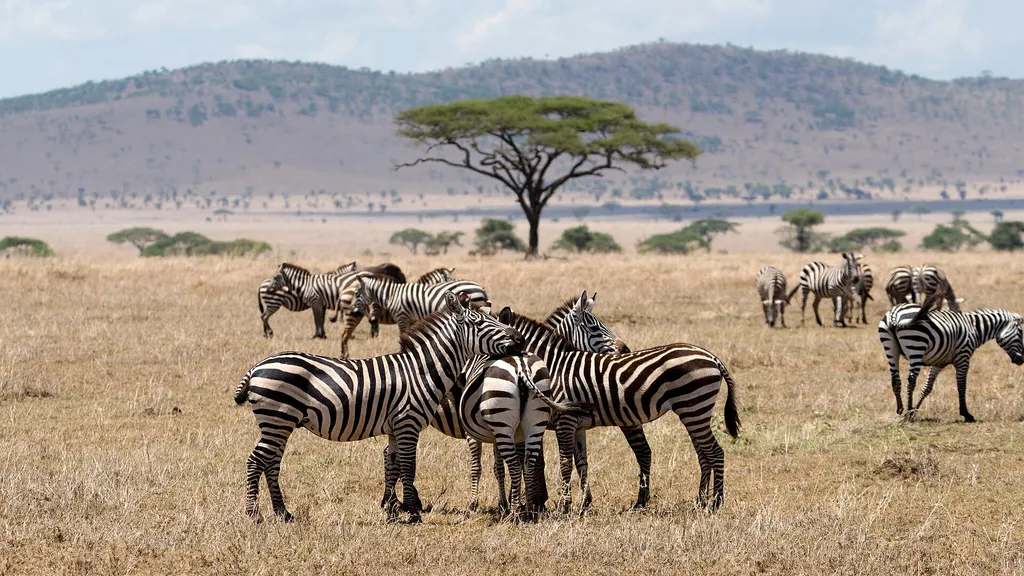
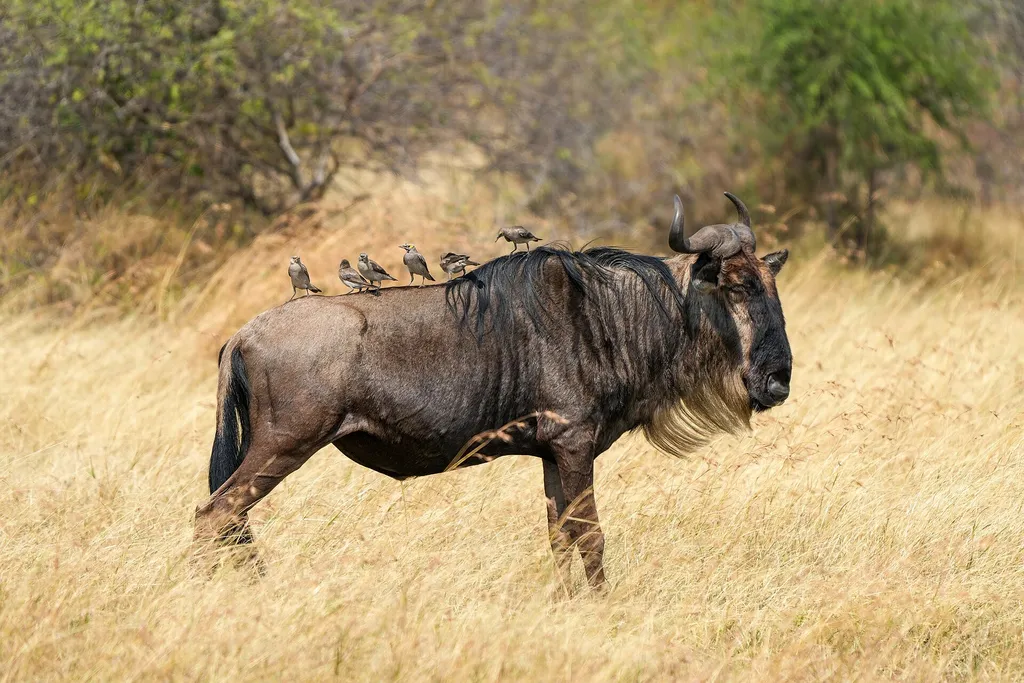
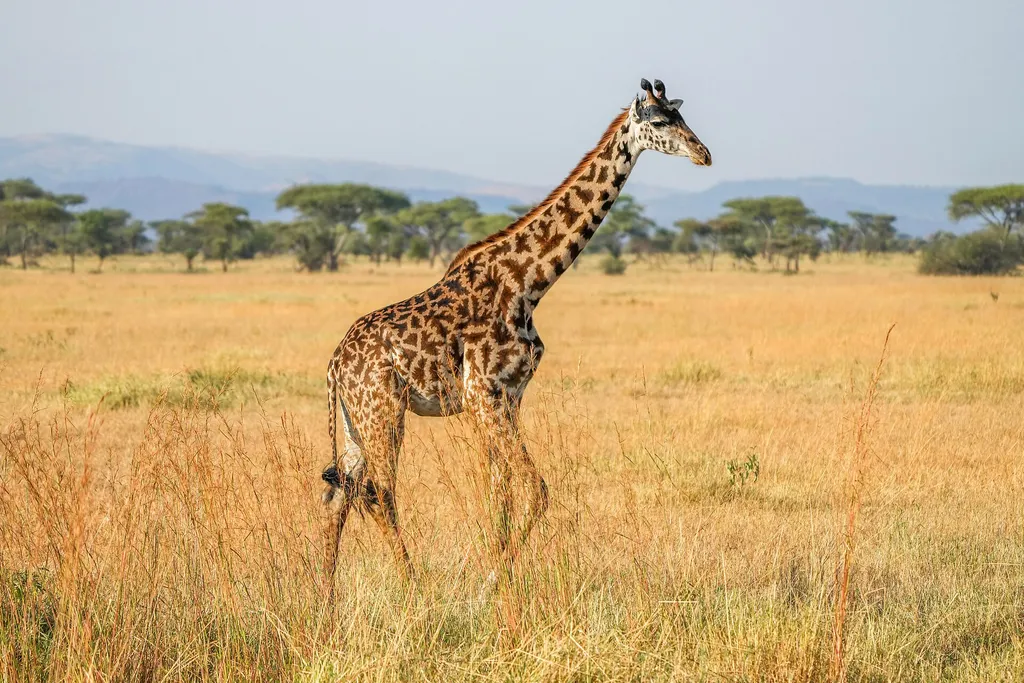
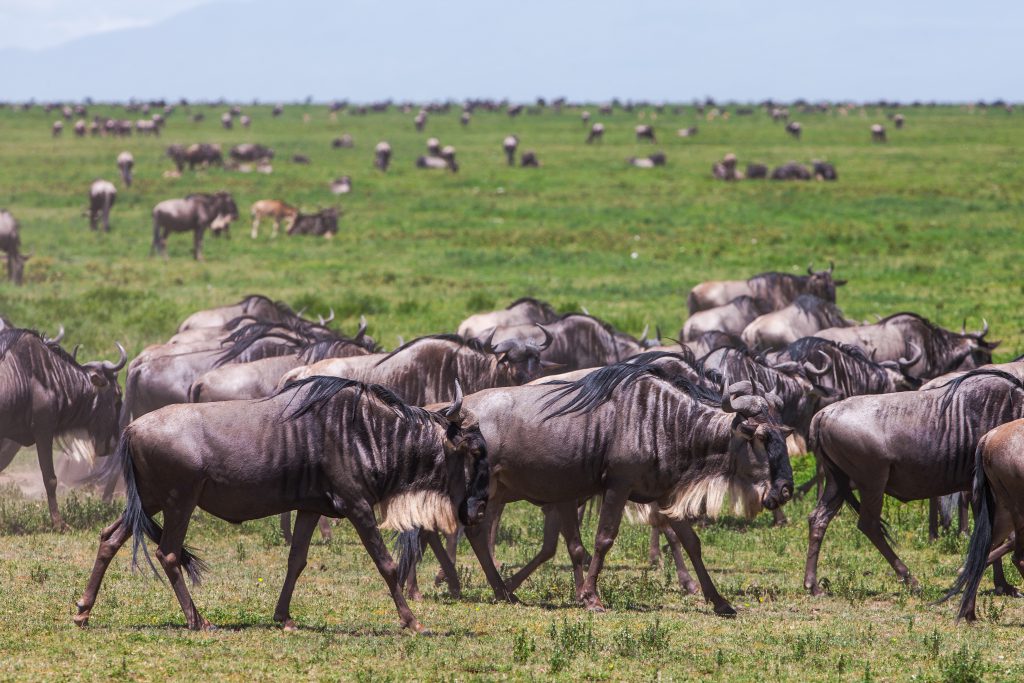
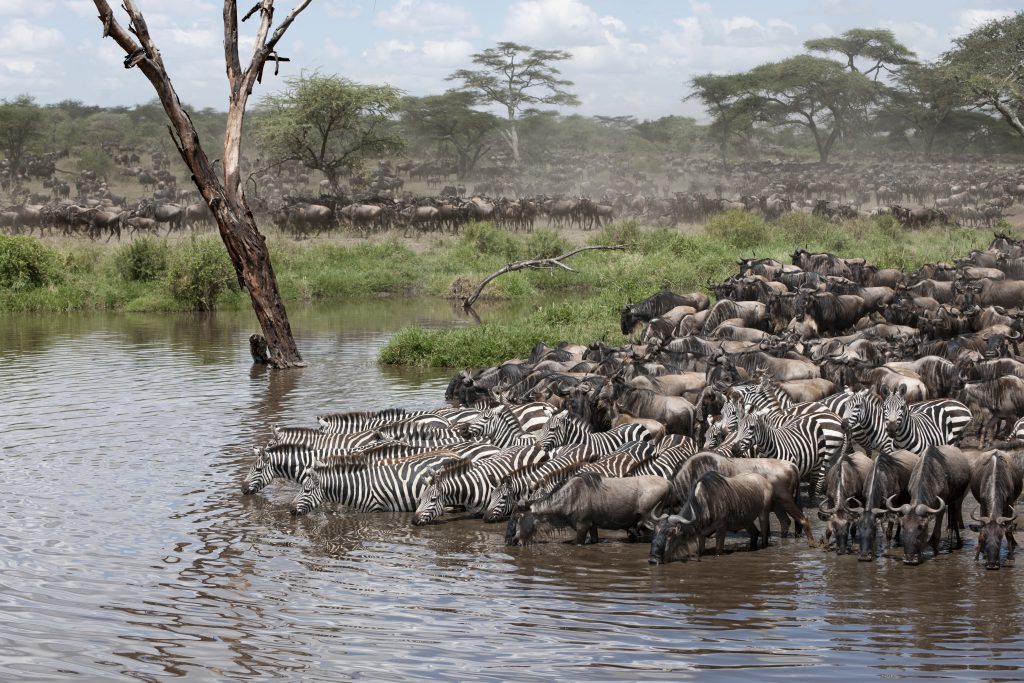
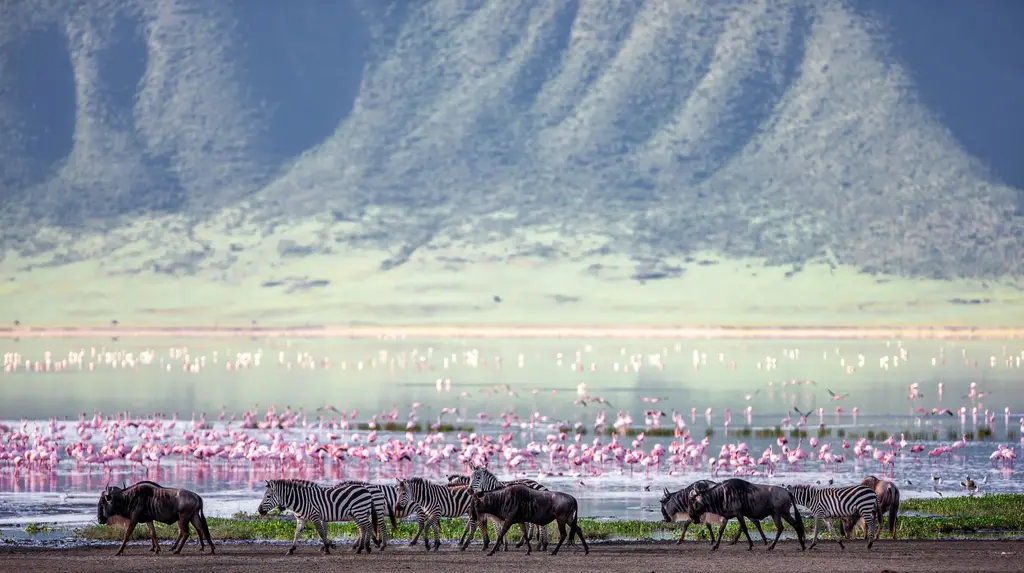
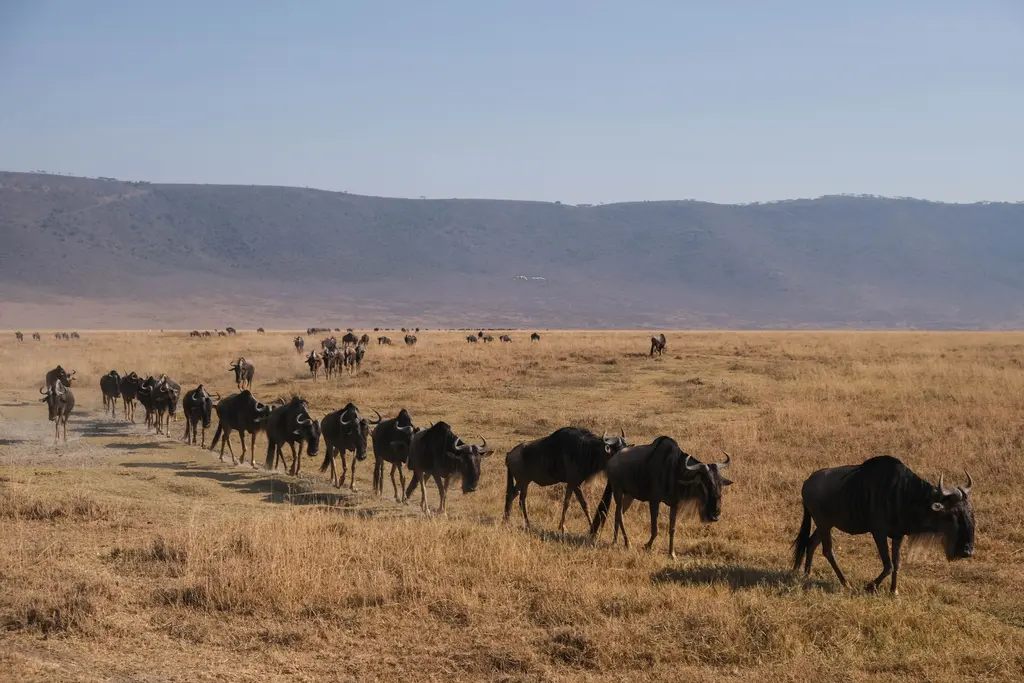
Wildebeest and zebra get the headlines, but they are only one part of it. Expect giraffe, buffalo, elephant, topi, hartebeest, Thomson's and Grant's gazelle, and a long list of birds, from secretary birds striding through the grass to vultures circling a kill. The central Seronera area, with its river valley and rocky kopjes, is well known for big cats, and leopards are often found resting in the sausage trees along the watercourses. Black rhino live here too, but they are rare and you should treat a sighting as a bonus.
When to go
There is no bad month in the Serengeti, only different ones. The herds follow the rain in a rough loop through the year:
- December to March: herds graze the southern plains, with calving usually from late January.
- April and May: the long rains. Fewer vehicles, green country and lower lodge rates, but some roads get muddy.
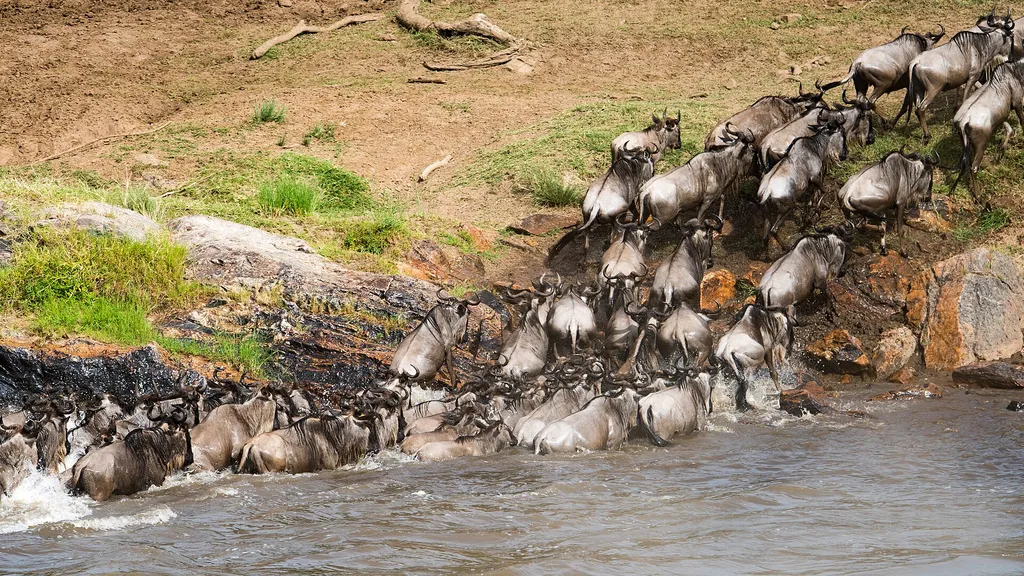
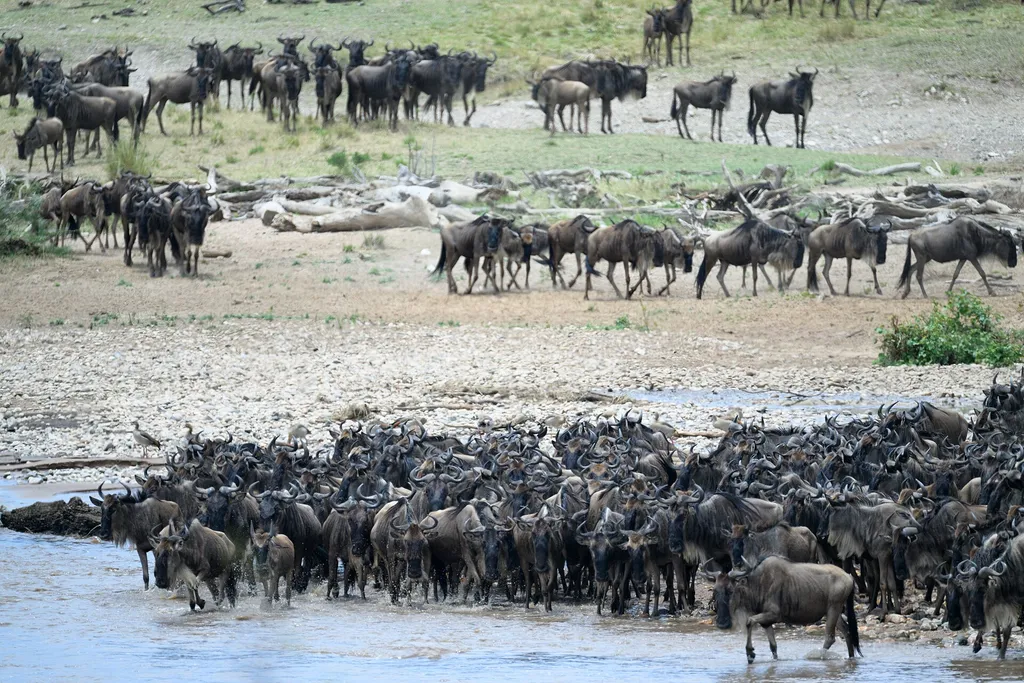
- June and July: the herds move west and north, and the Grumeti River crossings can happen.
- July to October: much of the herd is in the far north, where Mara River crossings draw a crowd.
The pattern shifts every year with the rains. Our Great Migration tracker shows where the herds are likely to be month by month, and the Tanzania weather guide explains the seasons in more detail.
Getting there from Arusha
By road, central Serengeti is a full day from Arusha, roughly seven to eight hours with stops, passing Lake Manyara and the Ngorongoro highlands on the way. Most travellers break the drive with a night near the crater. If time is short, light aircraft fly from Arusha to several Serengeti airstrips in about one to two hours, depending on which part of the park you are heading for and how many stops the plane makes.
How it fits your trip
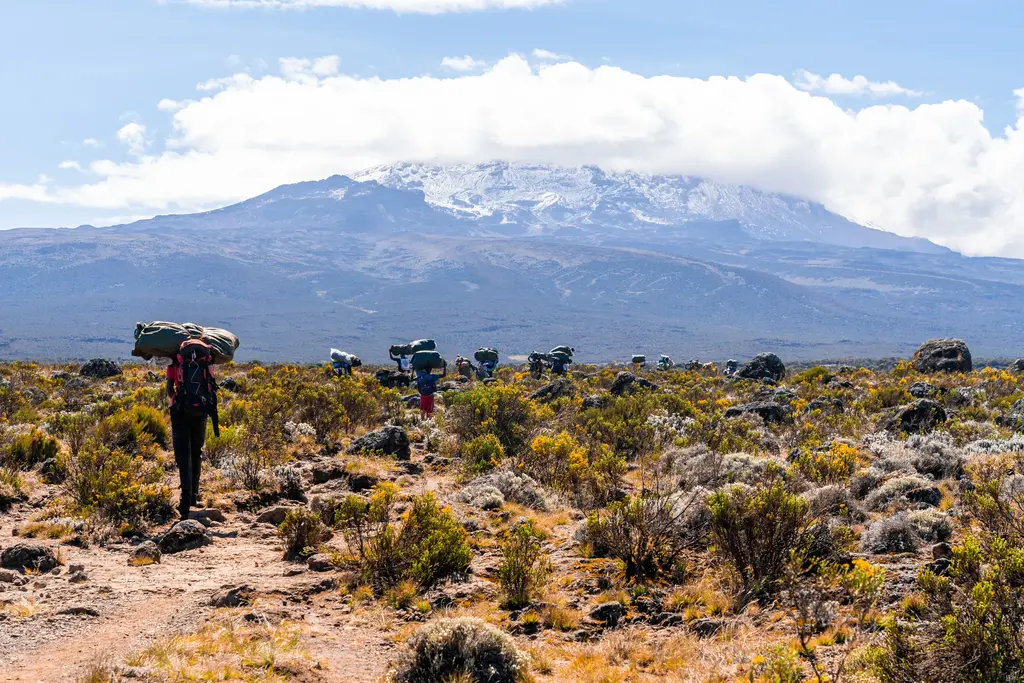
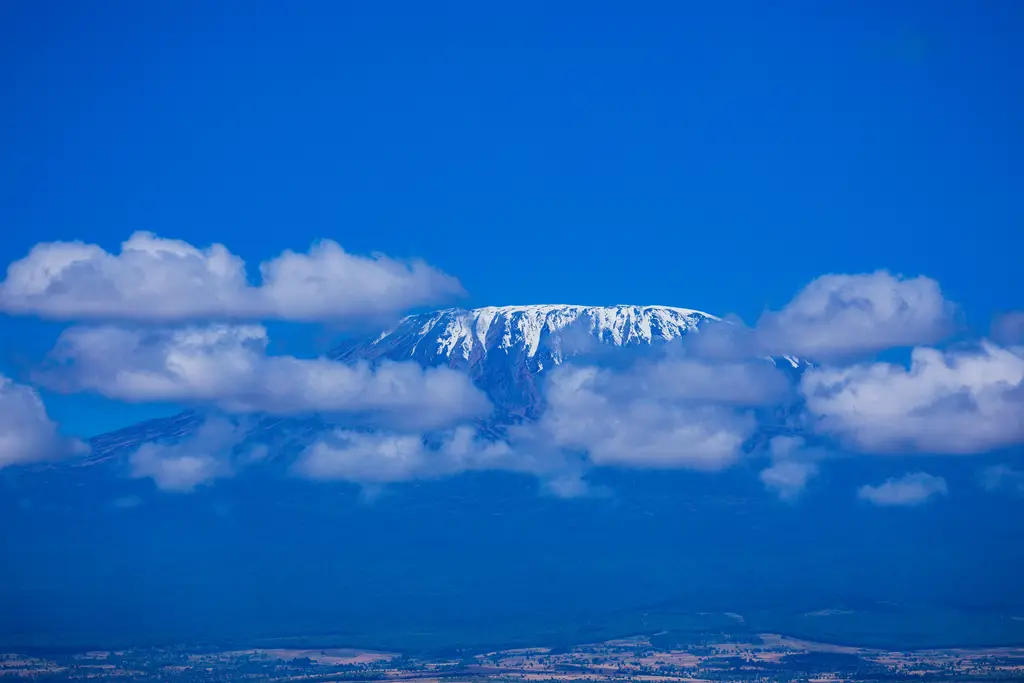
Most of our Northern Circuit safaris build towards the Serengeti and give it at least two or three nights, because the distances inside the park are large. A common shape is Tarangire, then Ngorongoro, then the Serengeti, then a flight back to Arusha or straight to the coast. After a Kilimanjaro climb, a few days sitting in a vehicle watching lions is a very good way to rest tired legs.
Where to stay
You can choose between permanent lodges, fixed tented camps and seasonal mobile camps that move to follow the herds. Mobile camps put you close to the action in migration season, while lodges in the central area suit families and first-time visitors. We will match the camp to the month and to where the animals are likely to be.