About Ndutu
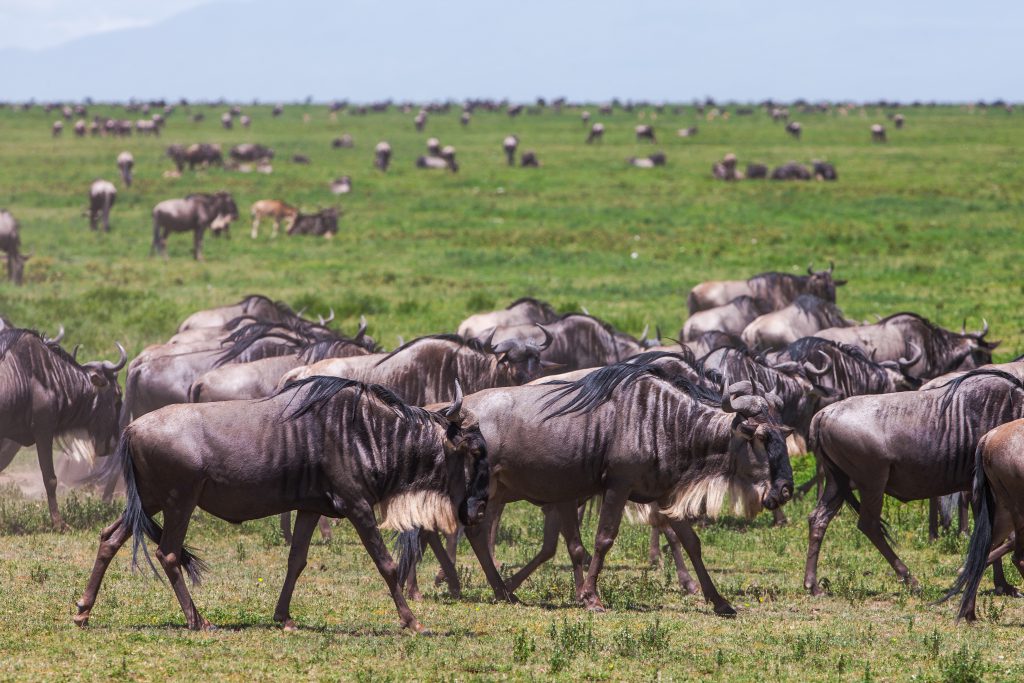
Ndutu is where the great herds come to give birth. The area sits partly inside the Ngorongoro Conservation Area, on the edge of the southern Serengeti plains, around two small soda lakes, Lake Ndutu and Lake Masek. For much of the year it is quiet acacia woodland and dry grass. Then the rains arrive, the short grass on the plains turns green and full of nutrients, and hundreds of thousands of wildebeest and zebra move in to feed and to drop their calves.
What you will see
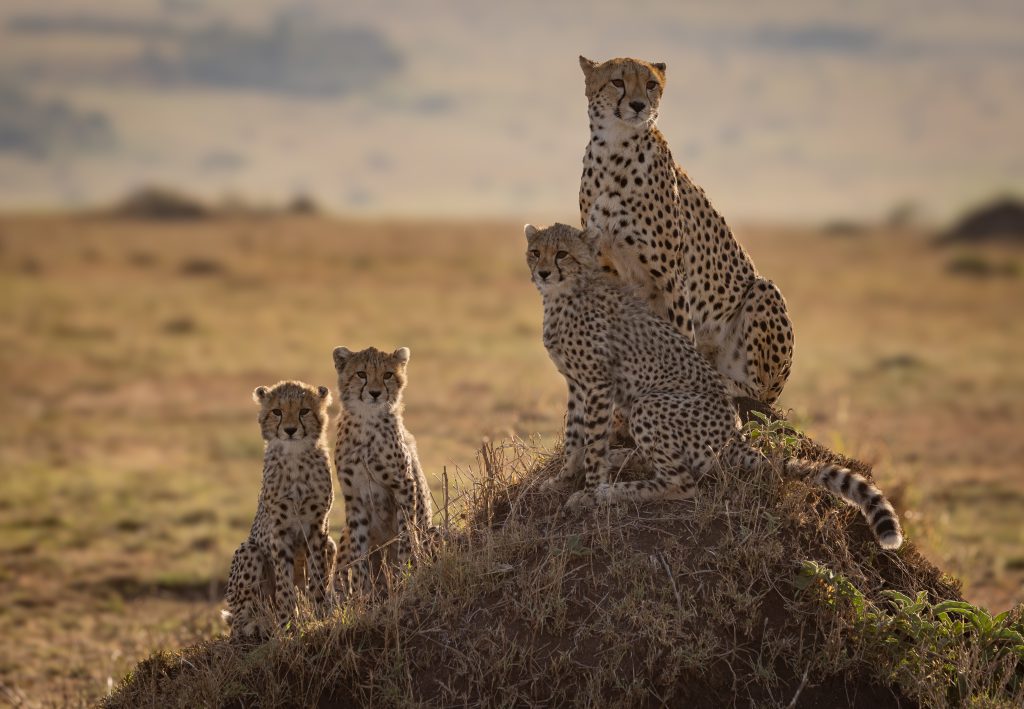
In calving season the plains fill with wildebeest as far as you can see, and newborn calves are up and running within minutes of birth. All that new life draws predators. Lions, spotted hyenas and jackals are everywhere, and the open grassland is one of the best places in Tanzania to watch cheetahs hunt. You may also find servals, bat-eared foxes and, with luck, a leopard in the woodland around the lakes. It can be raw to watch, but it is the migration at its most dramatic and intimate. Away from the herds, the lakes attract flamingos and other water birds.
When to go
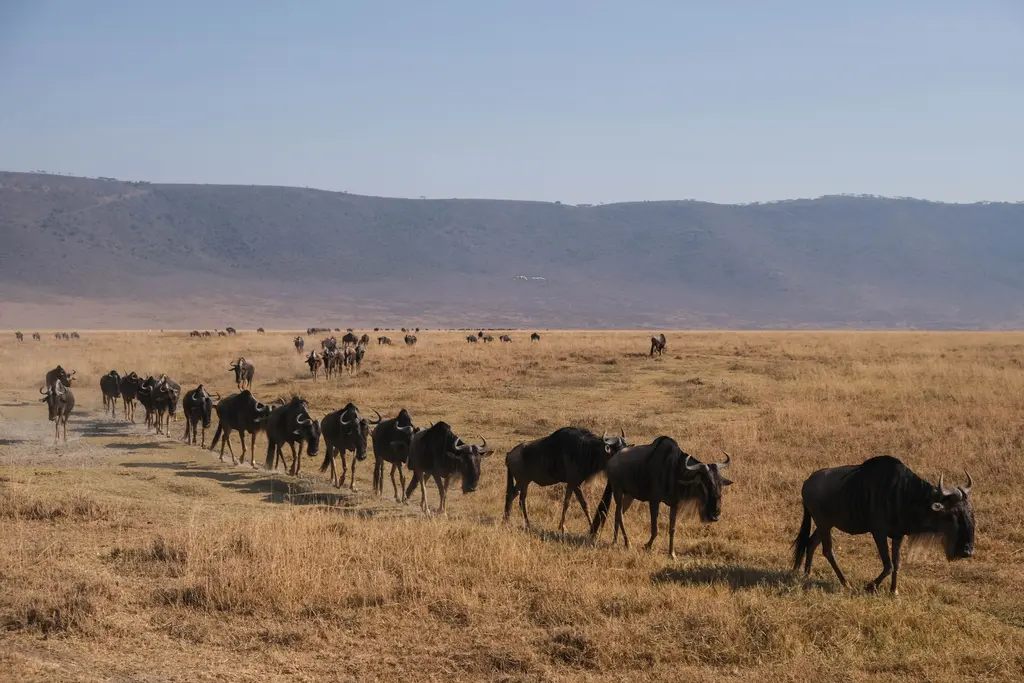
In a typical year the herds arrive on the southern plains around December, and calving runs from roughly late January to March, with a peak in February. These timings vary with the rains. If the short rains fail or come late, the herds may wander or arrive later, and in a wet year they may spread wider. Once the plains dry out, usually around April or May, the herds move west and north, and Ndutu goes back to being a quiet corner. Our Great Migration tracker follows the herds through the year.
Getting there from Arusha
By road, Ndutu is roughly five to six hours from Arusha, crossing the Ngorongoro highlands and dropping down onto the plains on rough tracks for the final stretch. Most travellers break the journey with a night near the crater. There is also an airstrip at Ndutu, and light aircraft from Arusha take around one to one and a half hours, depending on stops.
How it fits your trip
Ndutu works best between December and March, which lines up well with the January to March Kilimanjaro climbing season. A common plan is to climb, spend a day in the Ngorongoro Crater, then two or three nights at Ndutu among the calving herds, perhaps with time in central Serengeti. From there you can fly to Zanzibar for a few days by the sea.
Where to stay
Accommodation here is mainly tented, from a small number of permanent lodges near the lakes to seasonal camps that open only during the calving months and pack up when the herds leave. Seasonal camps put you right among the action, so they book up early for February. We will advise where to stay based on where the herds are expected that year.