About Mount Kilimanjaro
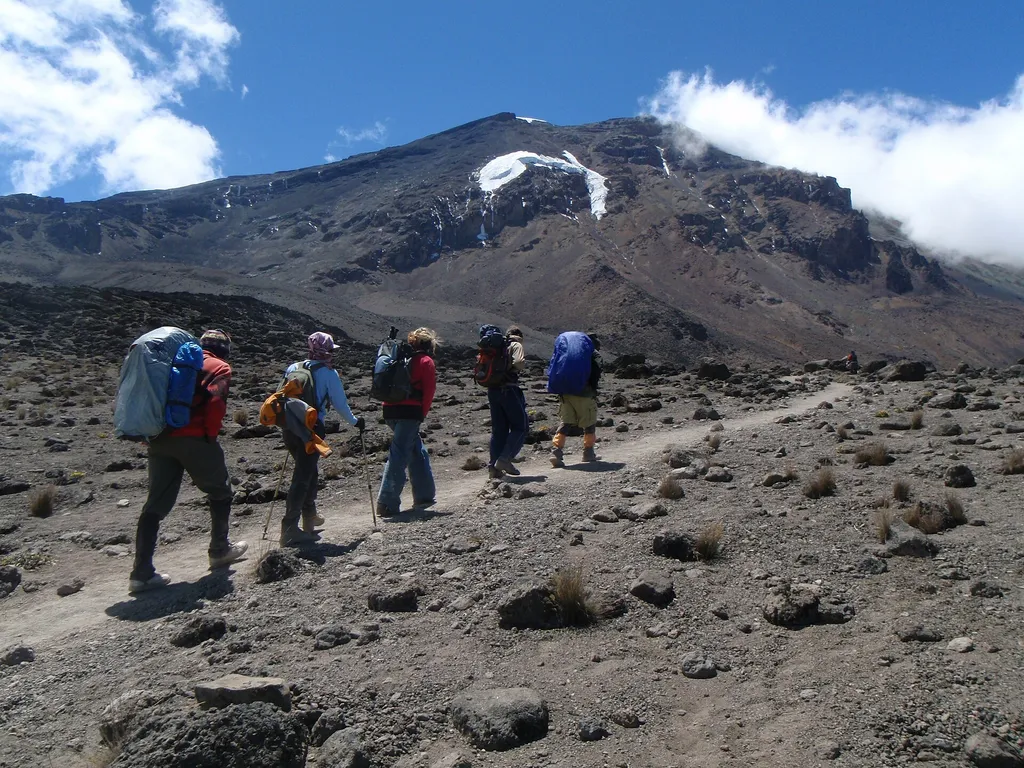
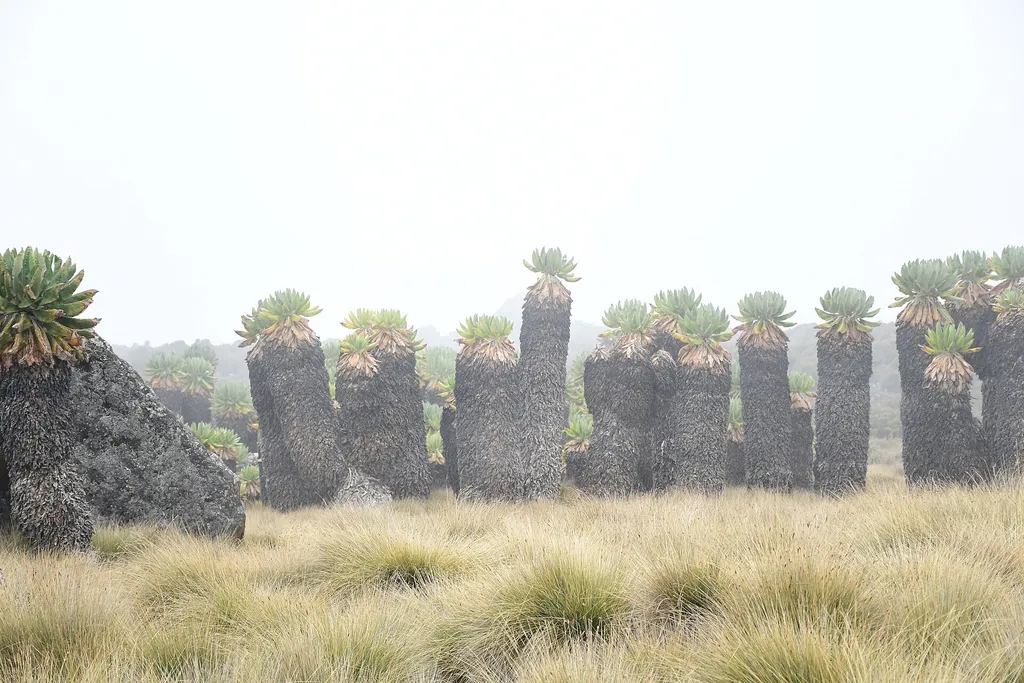
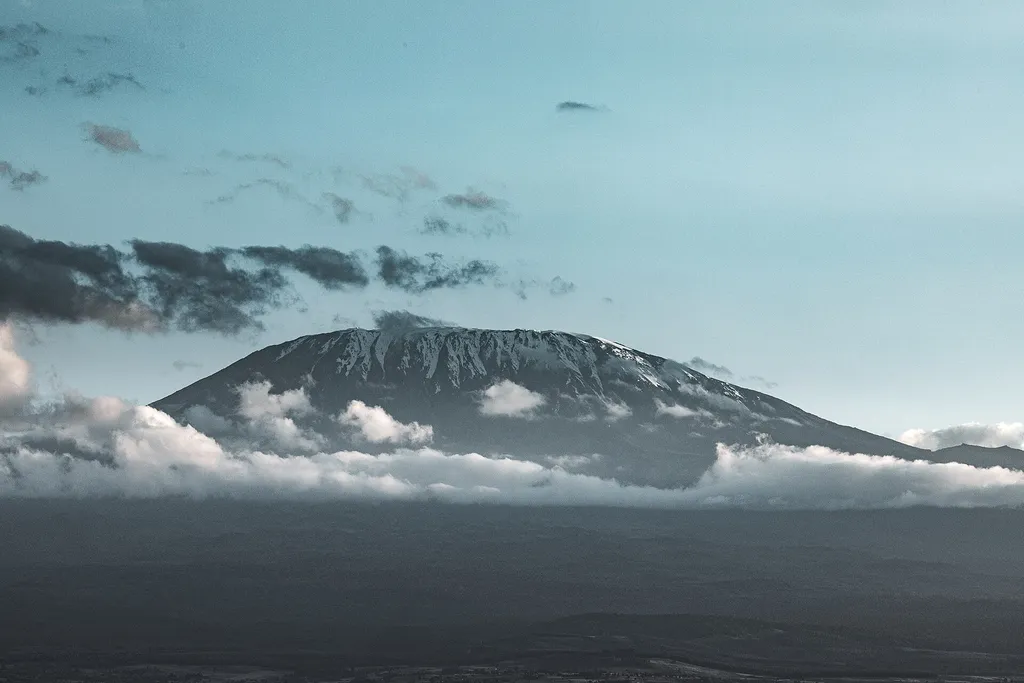
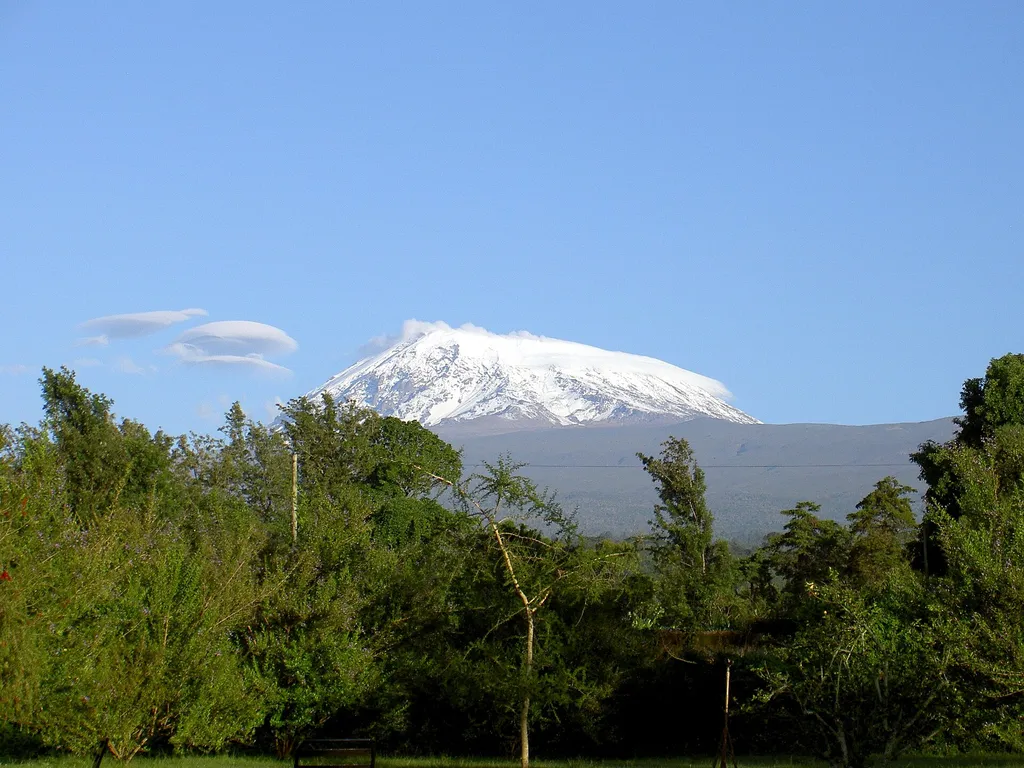
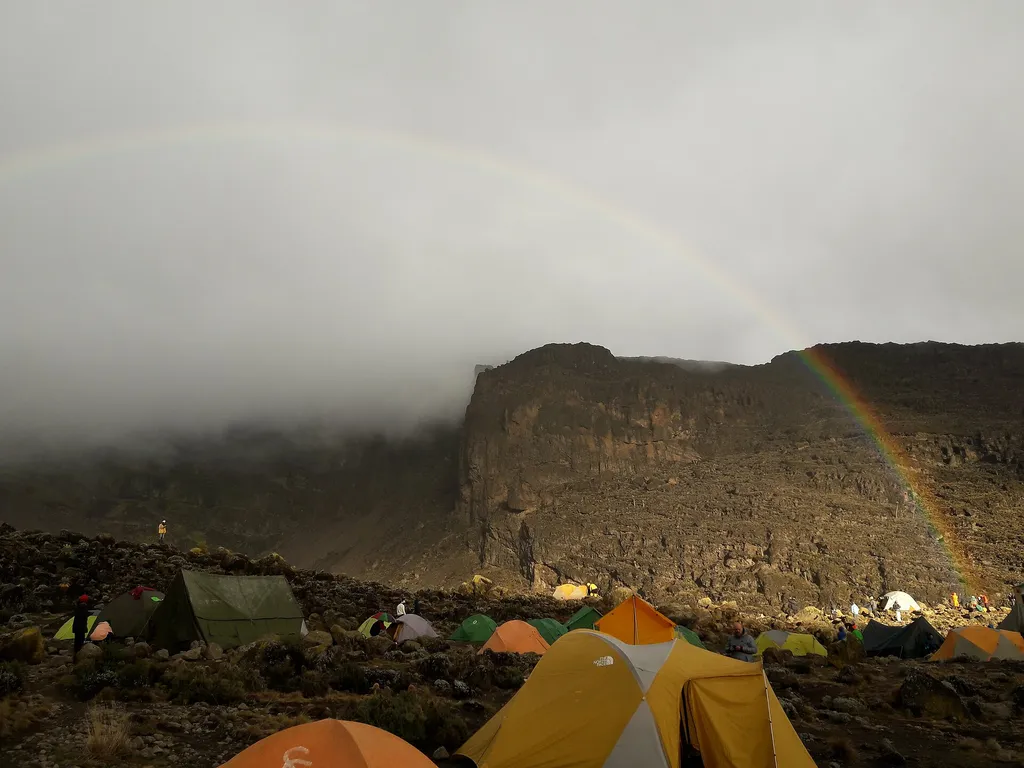
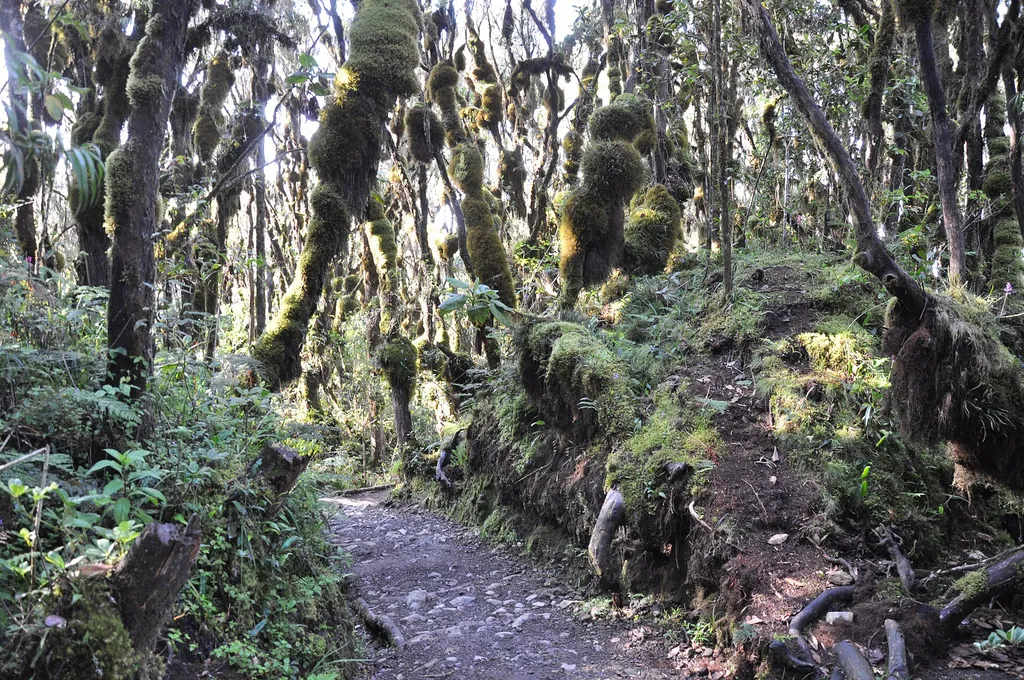
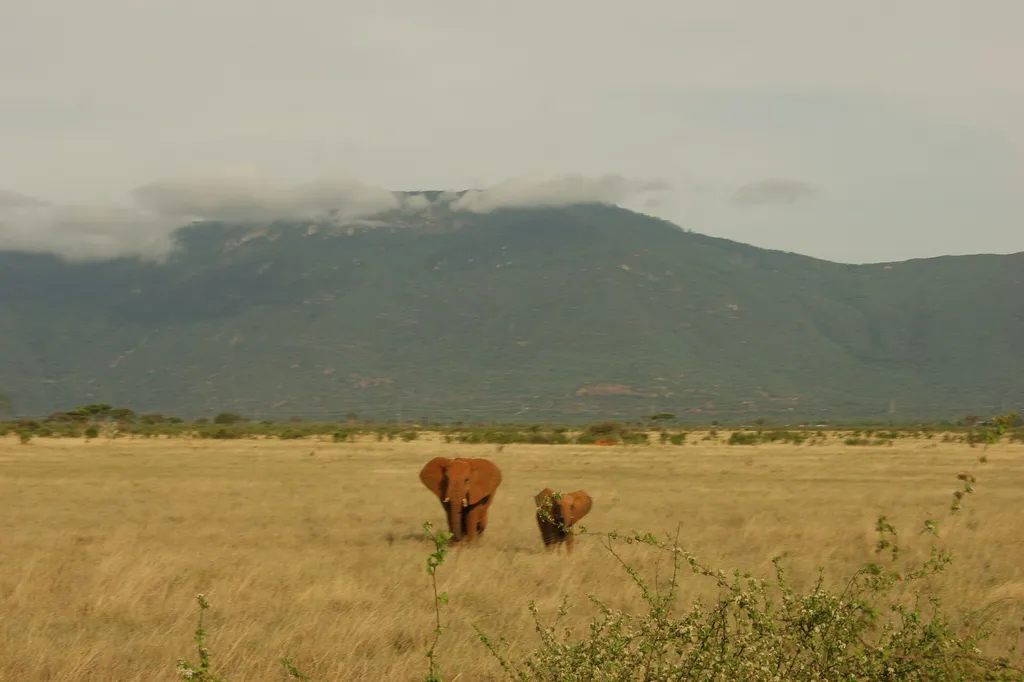
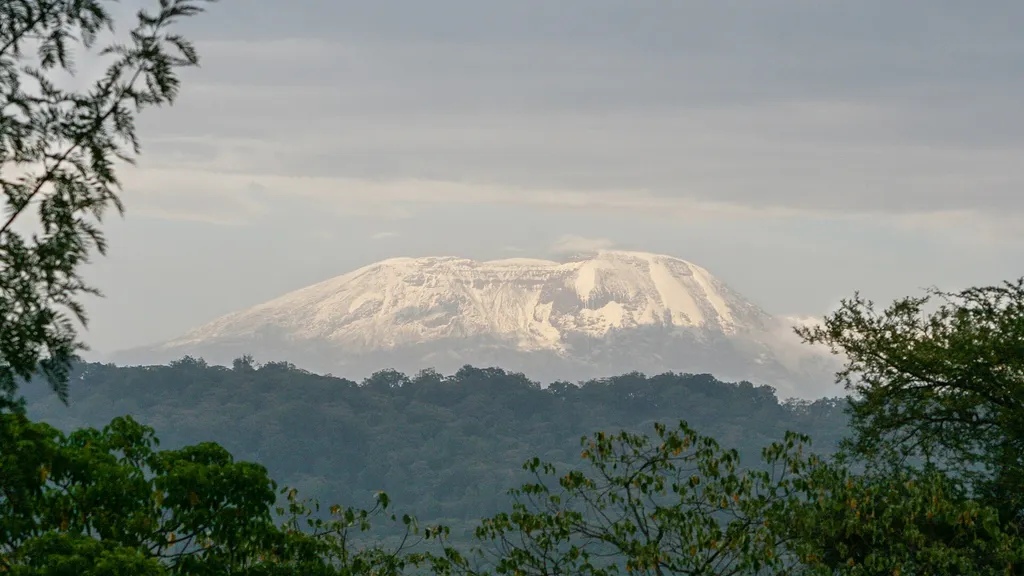
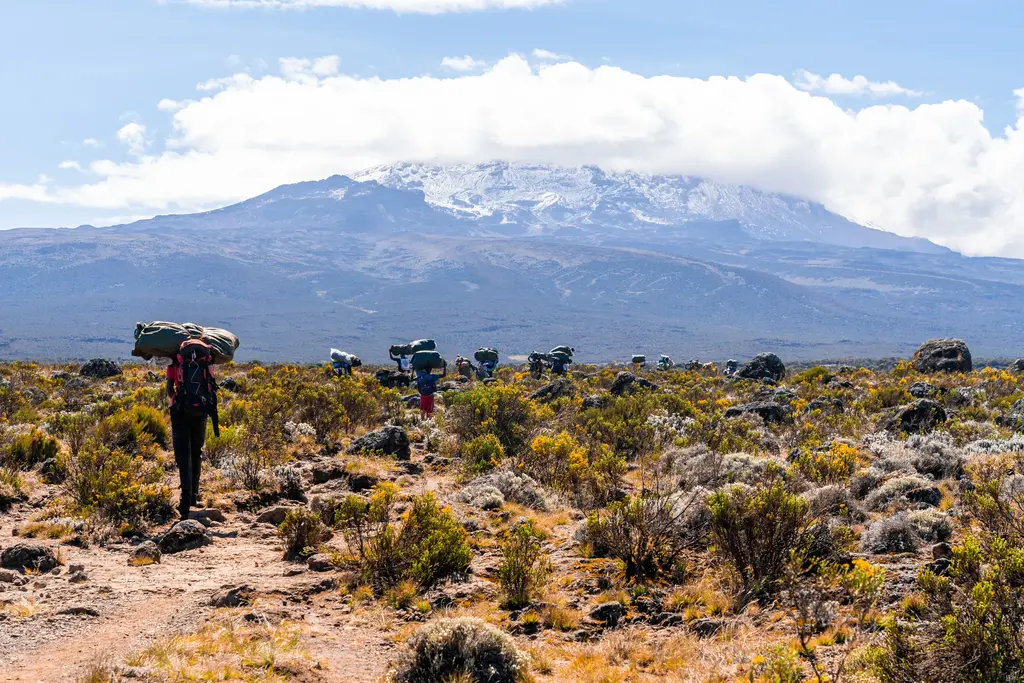
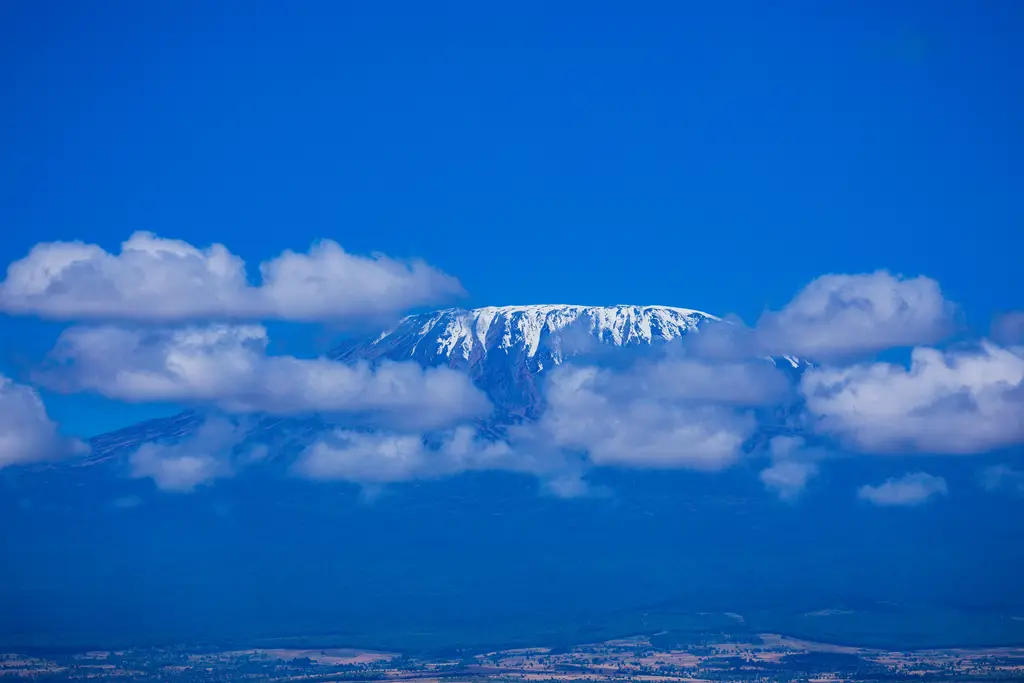
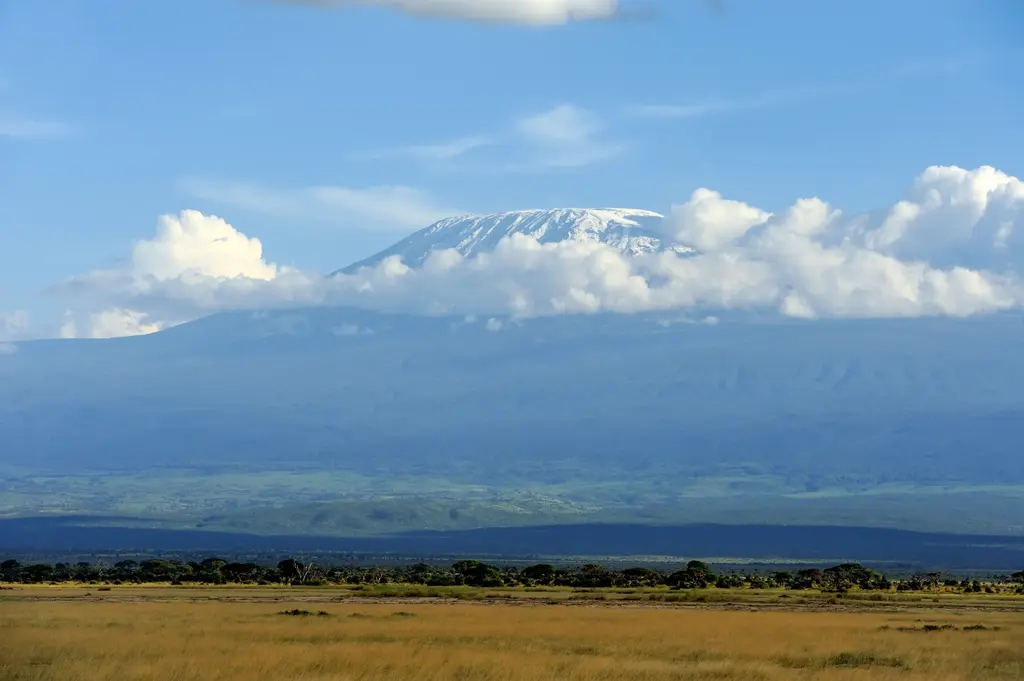
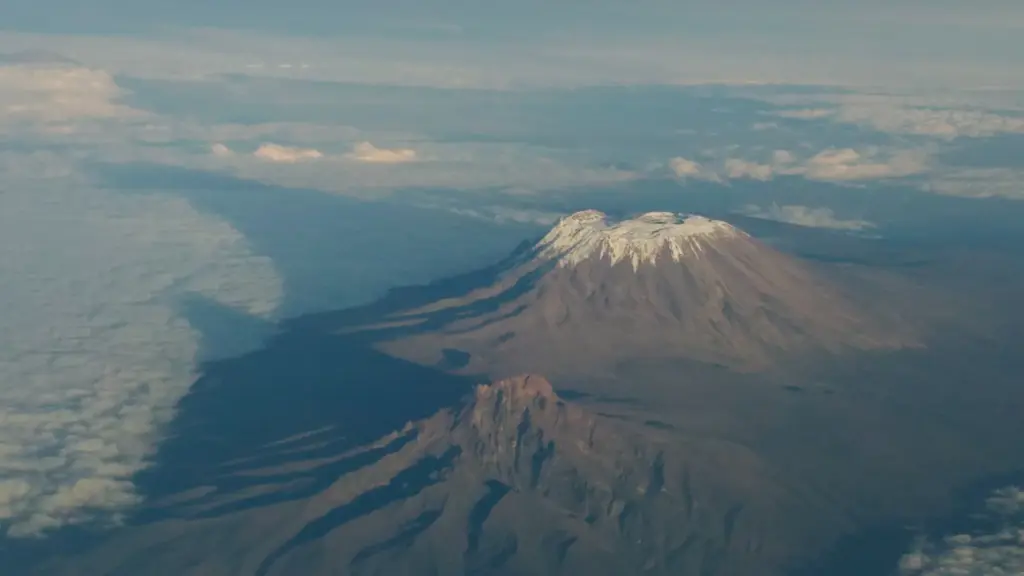
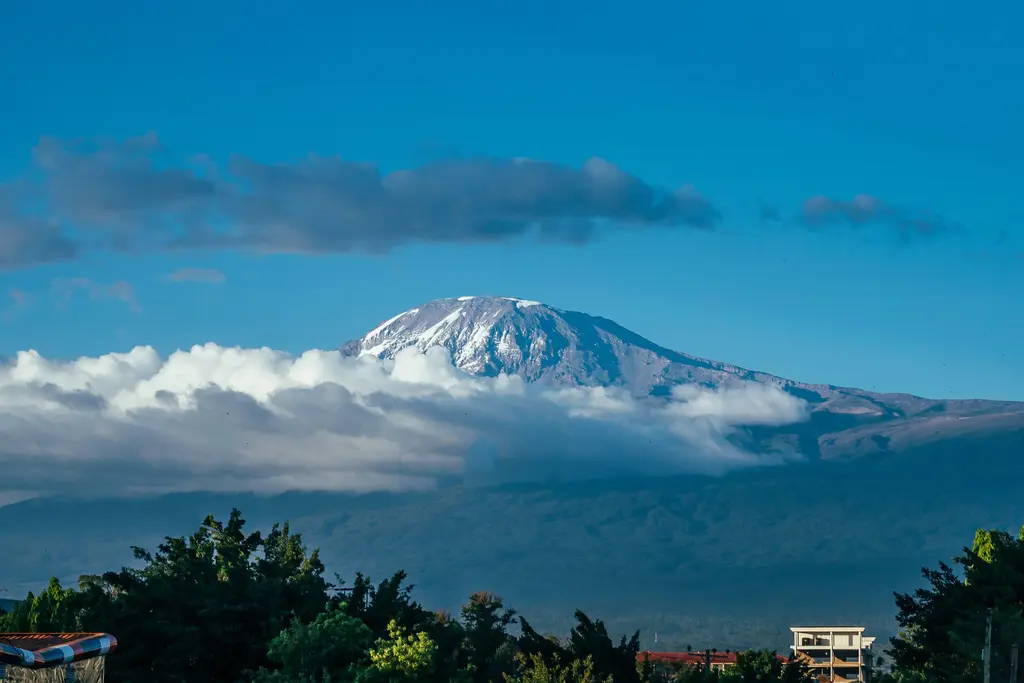
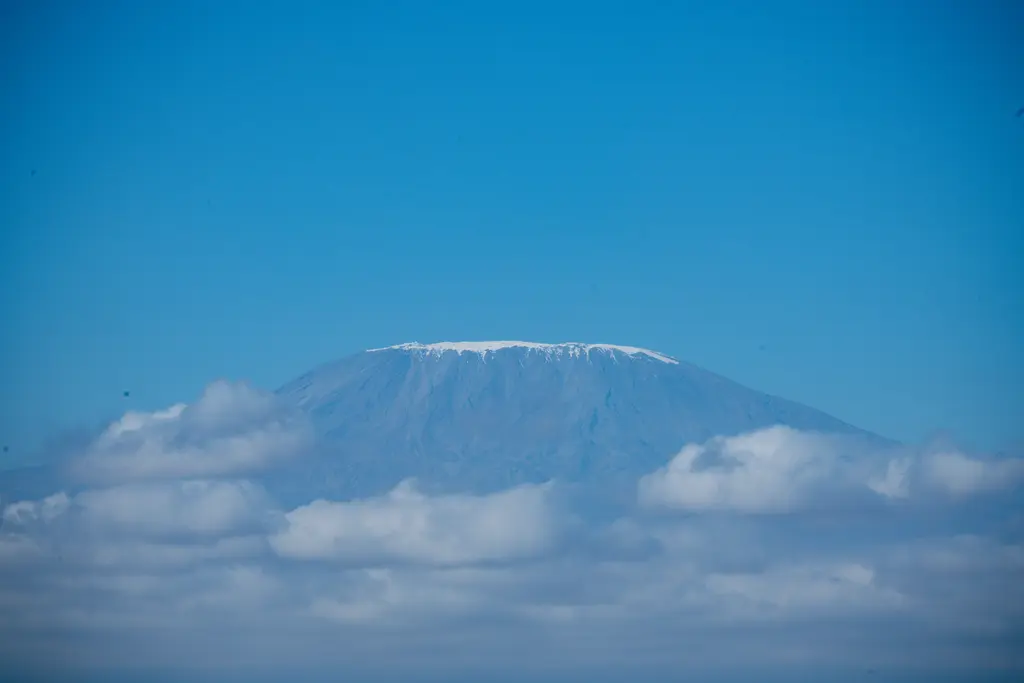
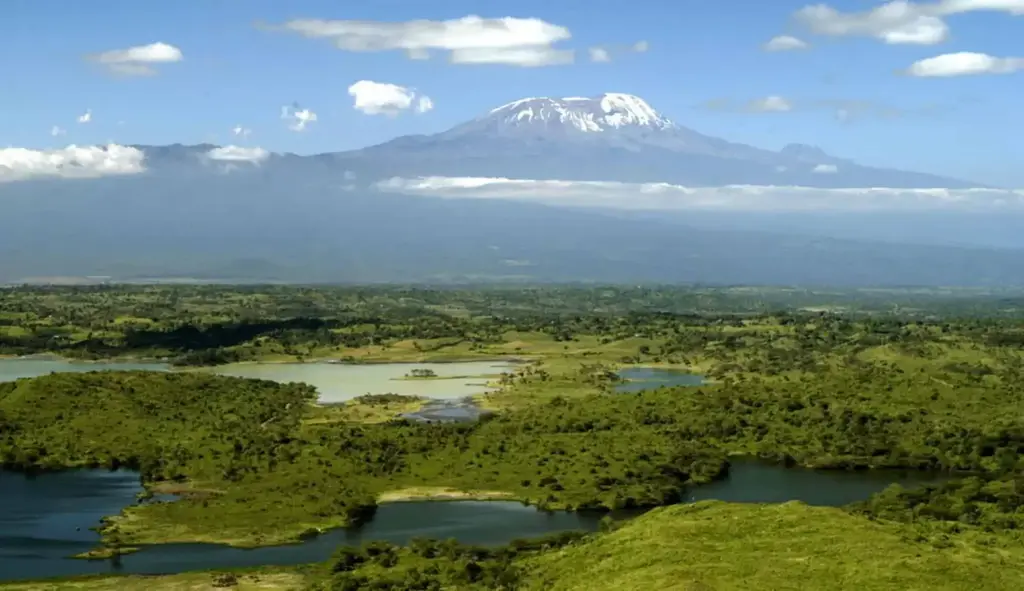
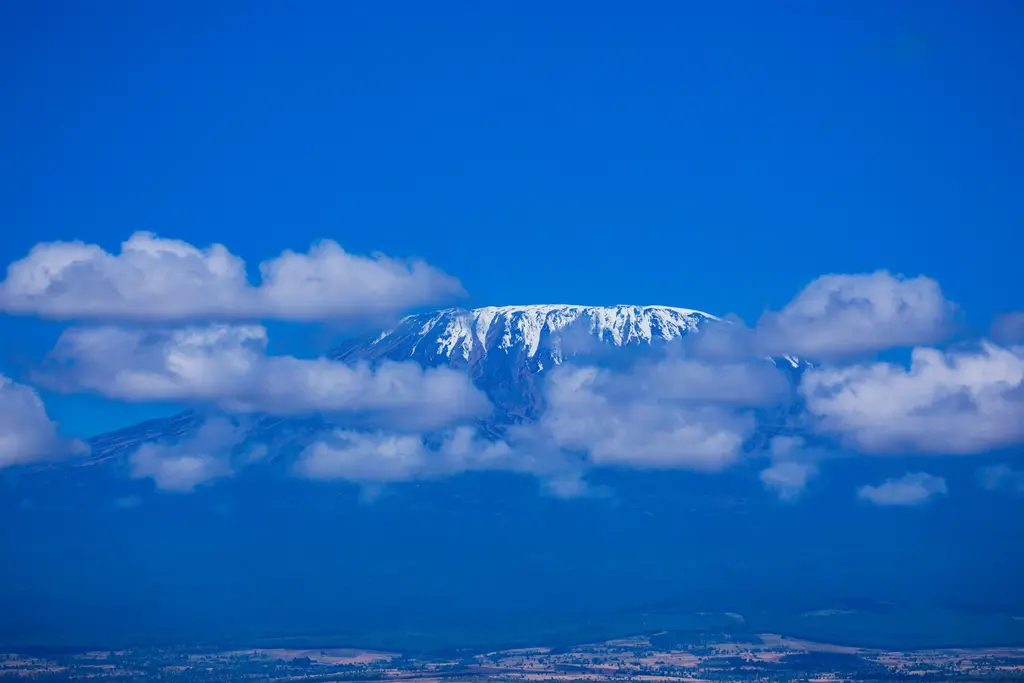
Kilimanjaro has been at the heart of what we do since 2012. At 5,895 m, Uhuru Peak on the Kibo crater rim is the highest point in Africa, and the mountain stands alone above the plains rather than as part of a range. You do not need ropes or climbing experience to reach the top. What you need is enough days, steady walking and a crew who keep the pace slow. Along the way you pass through farmland, rainforest, heather and moorland, high alpine desert and finally the cold, stony summit zone with its glaciers.
Choosing a route
- Machame: a popular, scenic route from the south-west, usually six or seven days, with good chances to climb high and sleep lower.
- Lemosho: starts in the far west through quiet forest and joins Machame later. Seven or eight days, and a favourite of ours for acclimatisation.
- Marangu: the only route with huts instead of tents. It uses the same path up and down and is often done in five or six days, but we suggest adding a rest day.
- Rongai: approaches from the north, near the Kenyan border. It is drier and quieter, a good choice in the wetter months.
- Northern Circuit: the longest route, around eight or nine days, circling the quiet northern slopes. More days usually means better acclimatisation.
- Umbwe: short and steep, best kept for experienced, strong hikers.
Acclimatisation in plain terms
The higher you go, the less oxygen there is in each breath, and your body needs time to adjust. Climbing too fast is the main reason people feel unwell on the mountain. So our guides walk slowly, the Swahili pole pole, encourage you to drink plenty of water, and plan routes where you climb higher in the day and sleep lower at night. They check on you every day, and if your health needs it, going down is always the right call. Adding a day to your climb is the single most useful thing you can do.
When to climb
The main climbing seasons are January to March and June to October, when the weather is drier and clearer. January to March tends to be a little warmer and quieter. June to October is cooler and busier. April, May and November are wetter, though climbs still run. Our Tanzania weather guide has more detail.
Can I do it?
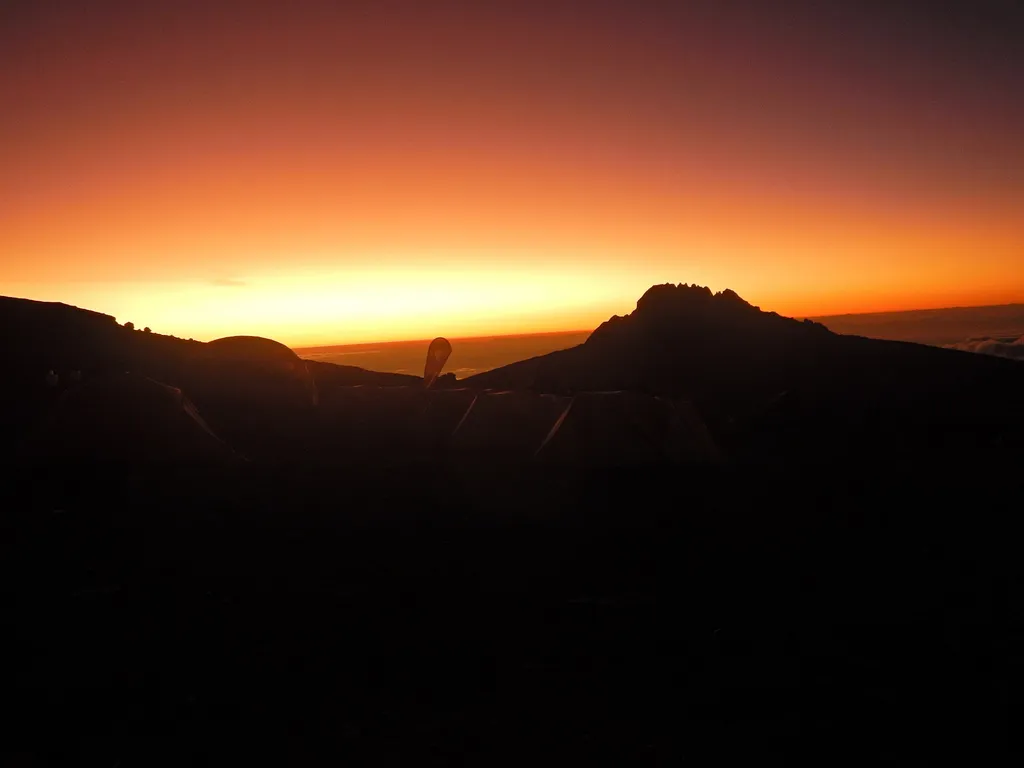
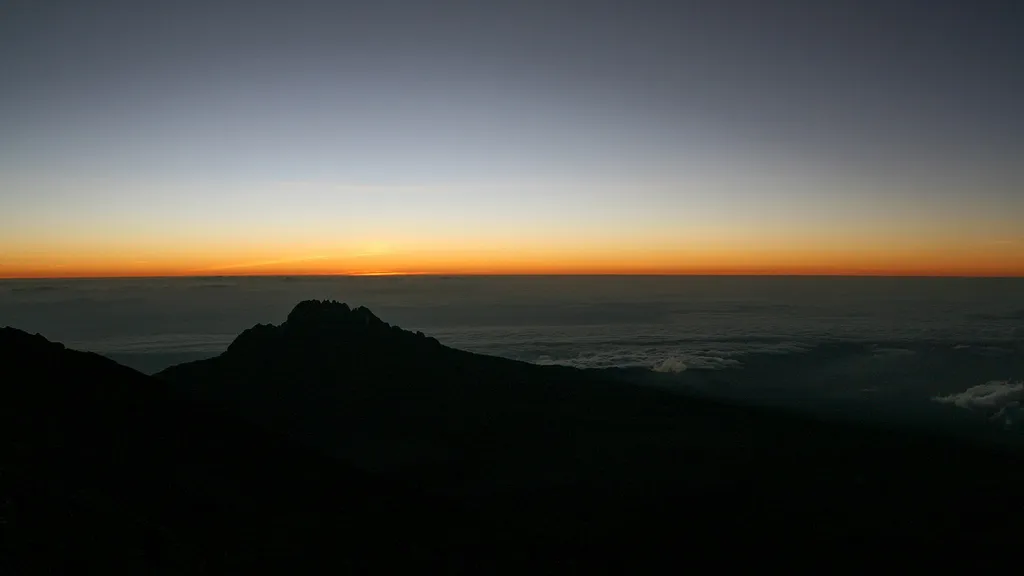
Most people who are reasonably fit and walk regularly can reach the summit if they give themselves enough days. You do not need to be an athlete. Training on long hill walks with a daypack in the months before is the best preparation. Summit night is the hardest part, usually starting around midnight so you reach the top near sunrise.
Getting there and how it fits your trip
Kilimanjaro International Airport sits between Arusha and Moshi, and the route gates are roughly one to two hours' drive from Arusha. Many of our travellers climb first, then rest their legs on a private safari and finish on the beach in Zanzibar, from the summit to the sea. Read more about our climbs on the Kilimanjaro page.