A 13-day combination of a 6-day Northern Tanzania safari - Tarangire, Lake Manyara, the Serengeti, and the Ngorongoro Crater - followed by a Zanzibar beach holiday, with a domestic flight to Zanzibar included.
This 13-day holiday pairs a classic six-day Northern Tanzania safari with a relaxed week on the beaches of Zanzibar - the perfect balance of adventure and rest. The safari explores Tarangire, Lake Manyara, the Serengeti, and the Ngorongoro Crater in a private 4×4 safari Land Cruiser with a pop-up roof and a professional English or Spanish-speaking driver-guide, with a domestic flight to Zanzibar included afterwards.
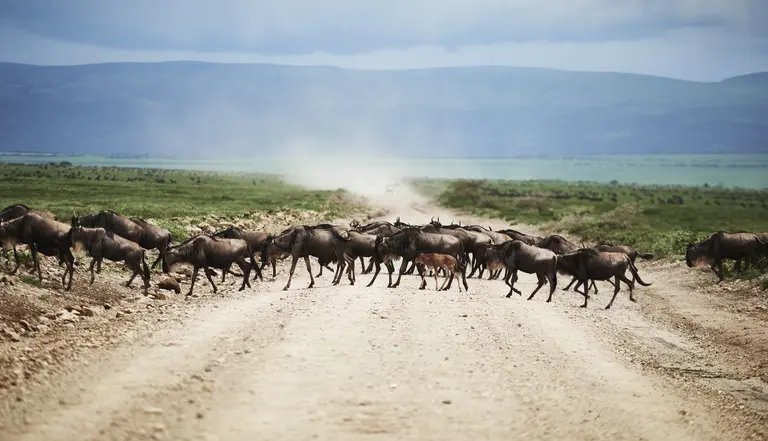
On safari you travel through the elephant country of Tarangire and the tree-climbing lions of Lake Manyara before reaching the vast Serengeti, where the great wildebeest migration moves across the southern plains. The journey finishes with a game drive on the floor of the Ngorongoro Crater, home to the Big Five including the rare black rhino, with full-board lodge accommodation throughout.
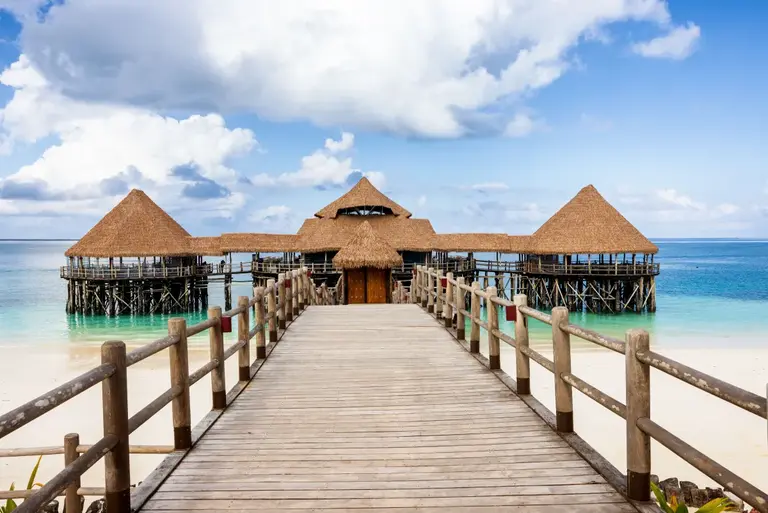
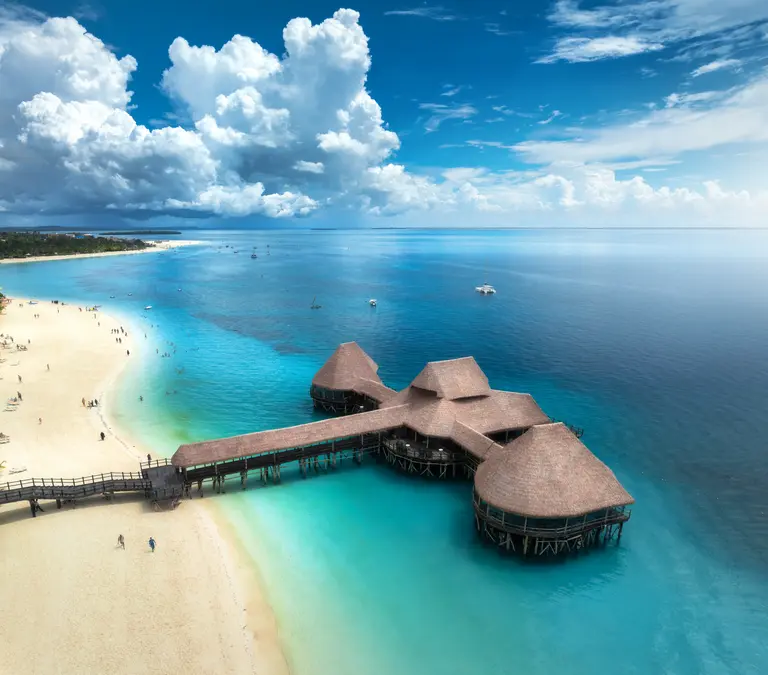
You then fly to Zanzibar to unwind at a 4-star beach resort, with time to relax by the Indian Ocean between guided excursions - a spice farm tour, the historic streets of Stone Town, Prison Island and its giant tortoises, dolphin snorkelling, and a Safari Blue boat trip. The Zanzibar stay is on a half-board basis, rounding off the trip with sea, sun, and culture.
Arrive at Kilimanjaro International Airport, where you are met and transferred to Medan Lodge in Arusha for an overnight on a bed-and-breakfast basis, ready to begin your safari the next morning.
Pickup from your hotel at 08:30 and drive to Tarangire National Park, known for its large elephant herds, ancient baobab trees, and wildlife along the Tarangire River. Enjoy a day of game viewing before driving in the evening to Manyara Heritage Lodge for dinner and overnight.

After breakfast, drive to Lake Manyara National Park in the Great Rift Valley. With a picnic lunch in the park, look for its famous tree-climbing lions, elephants, hippos, and colourful birdlife on an afternoon game drive, then return to Manyara Heritage Lodge for dinner and overnight.
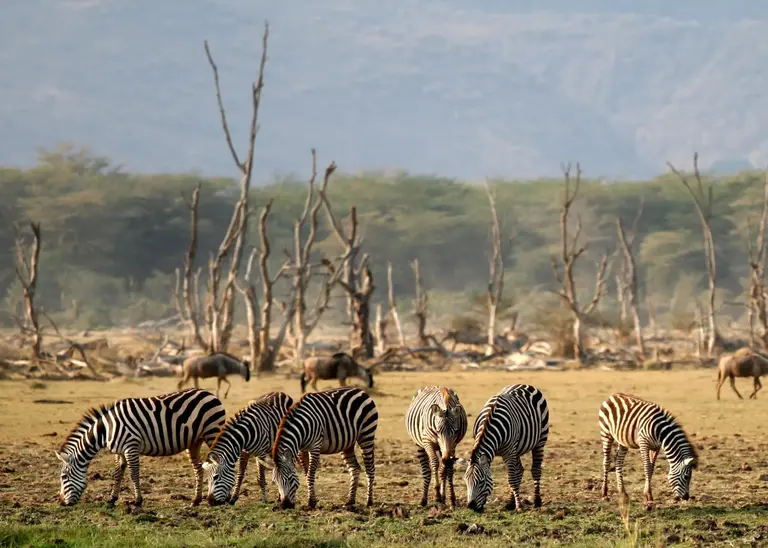
Depart for the Serengeti National Park, with a picnic lunch en route and the chance to see the wildebeest migration gathered across the southern plains. Enjoy a sunset game drive into the evening before dinner and overnight at Serengeti Bush Camp.

Enjoy a sunrise game drive in the Serengeti, watching for the migration once more, followed by a picnic lunch and game viewing en route as you drive toward the Ngorongoro highlands. Arrive at Ngorongoro Rhino Lodge for dinner and overnight.

After breakfast, descend into the Ngorongoro Crater for a game drive in search of the Big Five, including the rare black rhino. After lunch, ascend from the crater and drive back to Arusha for dinner and overnight at Medan Lodge.

After breakfast, transfer to the airport for your included flight to Zanzibar. On arrival, you are met and transferred to your beach resort on the coast, with the rest of the day at leisure. Dinner and overnight at the resort.
After breakfast, enjoy a guided visit to a spice farm to see cloves, ginger, cinnamon, garlic, cumin, and other spices that give the island its “Spice Island” name, before returning to the resort for dinner and overnight.
Spend the day exploring historic Stone Town, including the site of the former slave market, the Anglican Cathedral, the Old Fort, and the House of Wonders, before returning to the resort for dinner and overnight.

After breakfast, drive to Stone Town and take a boat to Prison Island to see its giant tortoises and learn about its history, with a full-day tour before returning to the resort for dinner and overnight.
Head to the south of the island and take a boat trip to swim and snorkel with dolphins, with lunch at a village restaurant, before returning to the resort for dinner and overnight.
After breakfast, drive to Fumba for the Safari Blue full-day boat excursion, with lunch and time to relax on a sandbank, before returning to the resort for dinner and overnight.
After breakfast, and depending on your departure time, you are transferred to Zanzibar Airport for your onward or homeward flight. This marks the end of the trip.
Every day of this itinerary is tailor-made and can be shaped around your dates, pace and budget. When you are ready, our team handles every detail - you simply arrive and enjoy.
Yes – return transfers between Zanzibar airport (or the ferry) and your hotel are included, with our local representative on hand throughout your stay.
This varies by package – it may be bed & breakfast, half board or all-inclusive. Your quote states the exact board basis, and we are happy to arrange an upgrade.
Plenty – a Stone Town heritage tour, a spice-farm visit, snorkelling or diving at Mnemba Atoll, a sunset dhow cruise, or swimming with turtles. We can pre-book excursions or arrange them through our local team on the ground.
Zanzibar is warm year-round. June to October and December to February are the driest, sunniest months; the long rains fall around April-May. The island pairs beautifully with a mainland safari.
Yes – Zanzibar is the perfect way to unwind after a safari or a climb, and we regularly arrange combined trips with a short flight from Arusha or Kilimanjaro. Just ask.
Tell us your dates and what matters most - our team designs every journey by hand and replies within 24 hours, seven days a week.
Arusha is the base camp for the northern safari circuit. It sits at around 1,400 metres on the southern slopes of Mount Meru, which gives it a mild, green climate, and almost every Tanzanian safari, Kilimanjaro climb and Zanzibar add-on begins or ends with a night here.
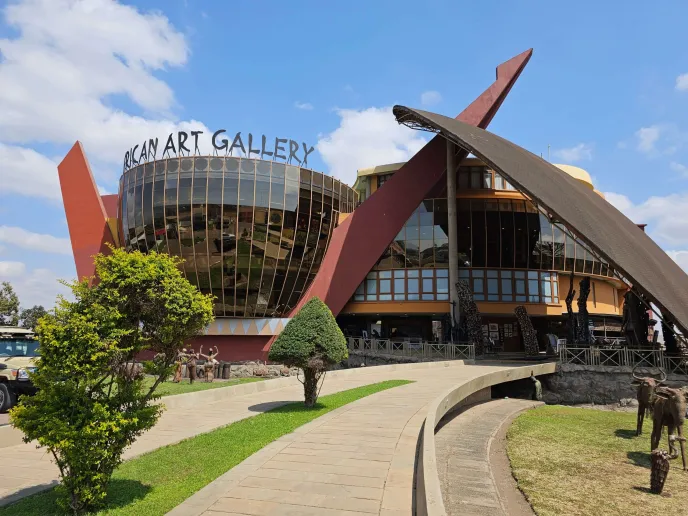
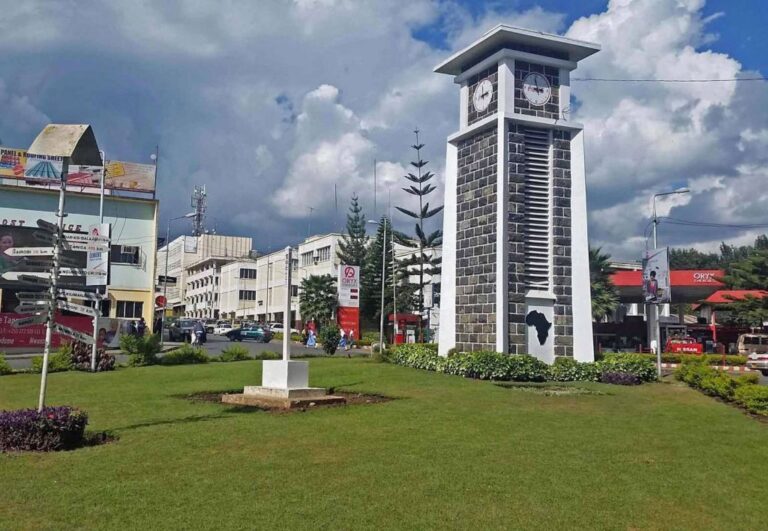
It is a working city rather than a resort. The Clock Tower roundabout at its centre is traditionally held to mark the midpoint between Cairo and Cape Town, and the Cultural Heritage Centre on the western edge of town houses one of East Africa’s largest collections of African art and Tanzanite. Most arrivals land at Kilimanjaro International Airport, roughly an hour east, and transfer straight here.
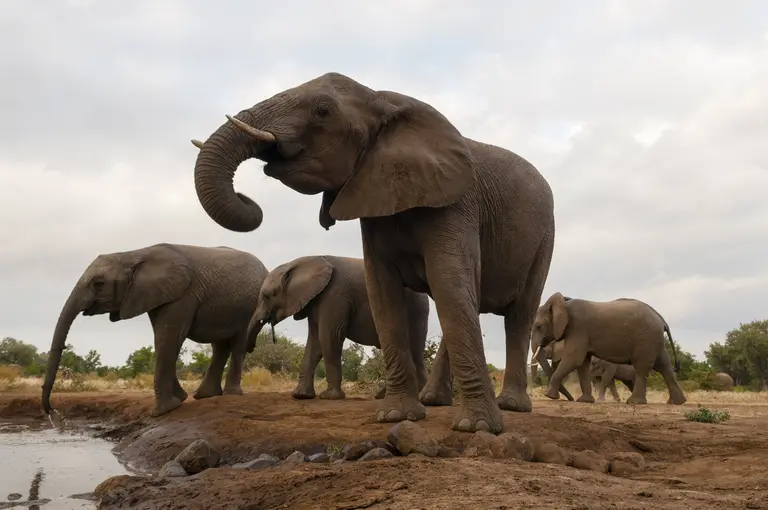
Tarangire National Park is a classic safari destination in northern Tanzania, famous for its wild, dramatic landscapes dominated by thousands of ancient baobab trees. The park’s eco-landscape centers around the perennial Tarangire River, which serves as the primary northern water source during the harsh dry season. The surrounding terrain is a beautiful mix of open acacia savannah, seasonal swamps, and deep river valleys that create a highly photogenic backdrop for big-game viewing.
During the dry months from July to October, the park experiences a massive mini-migration as thousands of animals travel from the surrounding dry Maasai Steppe to gather along the riverbanks. Tarangire is world-renowned for hosting some of the largest elephant herds in Africa, with groups of up to 300 individuals frequently seen bathing and digging for water in the dry riverbeds. This high concentration of prey draws prominent predator populations, including tree-climbing lions, leopards, and large packs of spotted hyenas.
Safari activities focus on extensive game driving along the river loops, alongside options for guided bush walking tours and bird-watching excursions to spot over 500 native species. Logistics are straightforward, with the main park gate located roughly a comfortable two-hour drive on paved roads from Arusha town. Accommodations are diverse and upscale, featuring luxury eco-lodges perched on scenic ridges, elevated treehouse suites built directly into living baobabs, and classic mobile tented camps.
Lake Manyara National Park is a compact, highly scenic sanctuary tucked directly beneath the sheer 600-meter cliffs of the Great Rift Valley escarpment. The park’s eco-landscape is incredibly diverse for its size, transitioning rapidly from a lush, groundwater forest fed by underground springs into open acacia woodlands and marshy lake flats. The park is dominated by its expansive alkaline lake, which expands and contracts seasonally, covering up to two-thirds of the total park area during high water levels.
The park is legendary for its unique population of tree-climbing lions, which spend the heat of the afternoon resting high up in the branches of ancient mahogany and acacia trees. The groundwater forest is home to massive troops of olive baboons and elephants, while the open lake shores support thousands of seasonal pink flamingos and storks. Travelers can also expect reliable sightings of hippos at the northern pool, giraffes, zebras, and various plains game grazing along the grassy lake edges.
Activities inside Lake Manyara include day and night game drives, canoe safaris when water levels permit, and walking tours along an elevated forest canopy treetop walkway. Logistics are exceptionally convenient, as the park gate sits right off the main paved highway leading from Arusha to the Ngorongoro Crater, making it a perfect first-day safari stop. Lodging options are well-developed, featuring luxury clifftop lodges on the escarpment and intimate tented camps tucked into the surrounding acacia scrub.
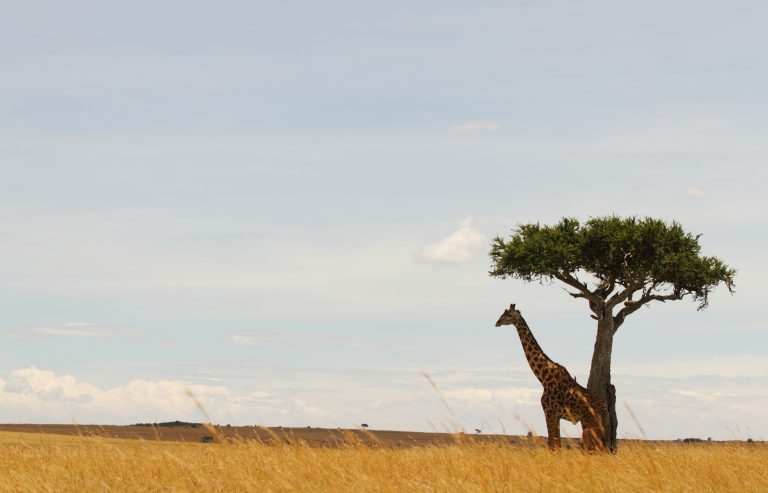
The Serengeti National Park is Tanzania’s flagship safari destination and a world-renowned wilderness sanctuary celebrated for its immense, uninterrupted sense of space. The eco-landscape is defined by its iconic, endless short-grass plains, granite rock outcroppings (kopjes), and riverine forests that stretch north toward Kenya’s Maasai Mara. The park is a highly dynamic ecosystem that changes radically with the seasons, transforming from a golden, windswept desert in the dry months to a vibrant green sea of grass after the rains.
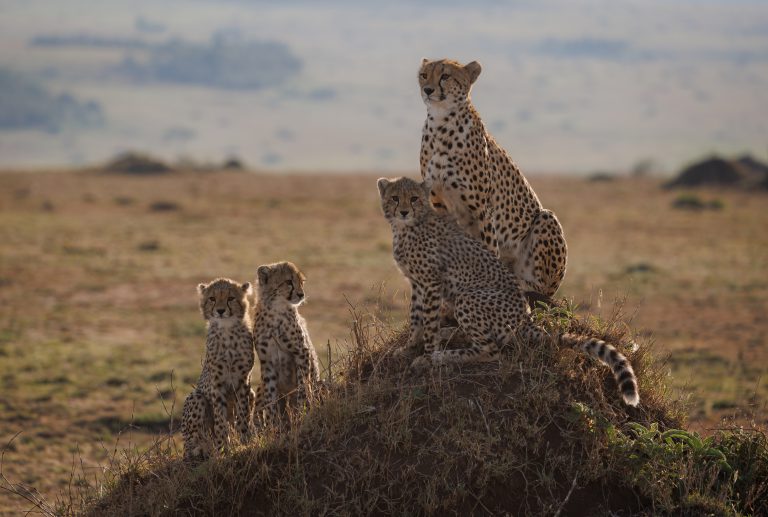
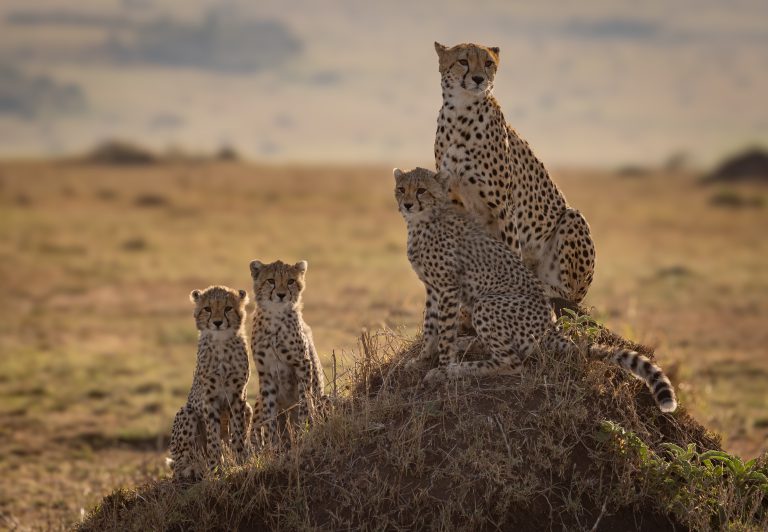
The park is the definitive home of the Great Wildebeest Migration, a continuous annual cycle where over two million wildebeests, zebras, and gazelles march across the plains in search of fresh grazing land. This massive concentration of migratory prey supports Africa’s highest density of large apex predators, making it common to see lions hunting in teams, cheetahs tracking game from the kopjes, and leopards resting in sausage trees. The wildlife volume here is widely considered second to none, delivering exceptional big-game viewing throughout the year.
The primary safari activities revolve around morning and afternoon game drives, long-range migration tracking, and iconic hot air balloon safaris over the savannah at sunrise. Logistics are supported by a well-maintained network of internal airstrips (such as Seronera and Kogatende) connecting directly to Arusha, alongside traditional driving access via the Ngorongoro Conservation Area. Accommodations represent the pinnacle of safari hospitality, ranging from ultra-luxury permanent stone lodges to exclusive, mobile canvas tented camps that relocate seasonally to match the moving herds.
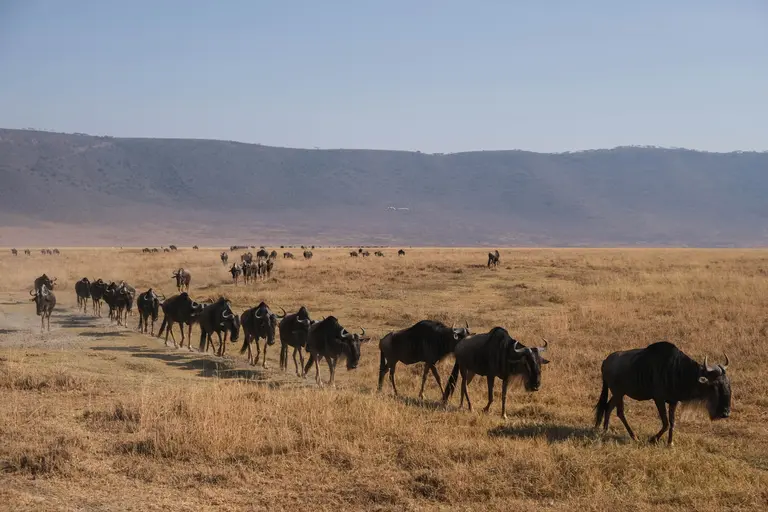
The Ngorongoro Crater is a breathtaking global wonder, standing as the world’s largest intact, unfilled volcanic caldera and a protected UNESCO World Heritage Site. The eco-landscape is a self-contained Eden, featuring a 600-meter-deep rock wall that encloses a diverse interior floor filled with open grasslands, acacia forests, swamps, and a central alkaline lake. This unique geographical bowl creates a highly concentrated ecosystem where over 25,000 large mammals live year-round within a compact, easily explorable space.
The crater floor offers one of the absolute best opportunities in Africa to view the endangered Black Rhino roaming in its natural habitat. The resident wildlife population is incredibly dense, featuring prominent prides of black-maned lions, massive bull elephants, spotted hyenas, and vast herds of wildebeest, zebras, and gazelles. Due to the rich grazing land and constant water supply, the animals have no need to migrate, resulting in world-class big-game viewings across all seasons.
Activities are strictly regulated, consisting of half-day or full-day game drive descents down the steep, single-track volcanic walls into the caldera floor. Logistics involve a scenic drive up through the cool, misty montane forest of the crater rim, which requires specialized 4×4 safari vehicles and official park permits. Accommodations are legendary, featuring ultra-luxury stone lodges built directly along the crater rim to offer panoramic, bird’s-eye views of the landscape below.
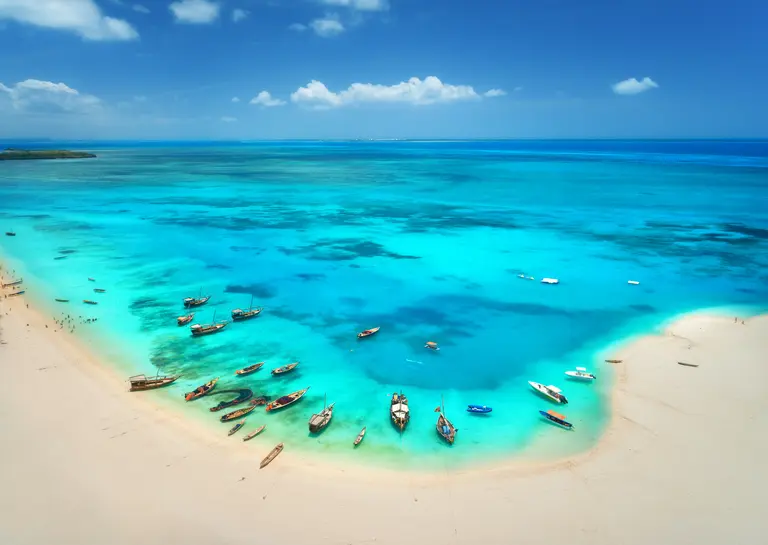
Zanzibar, officially known as Unguja, is a world-famous tropical island destination sitting in the Indian Ocean off the coast of mainland Tanzania. The eco-landscape blends white-sand beaches and coral reefs with historic spice plantations and protected native forests like Jozani Chwaka Bay. The island serves as the definitive cultural and relaxation phase of a East African trip, where travelers transition from early morning safaris to a laid-back coastal lifestyle.
The island’s marine parks, such as the Mnemba Atoll, feature rich coral drop-offs filled with bottlenose dolphins, green turtles, and vibrant reef fish. On land, the interior mahogany forests shelter the endangered Zanzibar red colobus monkey, an endemic primate species easily observed along the nature trails. The cultural landscape is anchored by Stone Town, a labyrinth of historic coral-stone alleyways, bustling spice markets, and carved wooden doors showcasing a rich blend of African, Arab, Indian, and European histories.
Activities range from snorkeling and scuba diving to spice plantation tours, historical walking guides, and sunset dhow cruises. Logistics are highly developed, with Stone Town’s international airport accepting direct flights from Europe, the Middle East, and mainland safari hubs, alongside daily high-speed ferry links to Dar es Salaam. Accommodations span a wide spectrum, from budget-friendly beach hostels and historic Stone Town boutique hotels to ultra-luxury private villa resorts along the eastern beaches.