About Olduvai Gorge
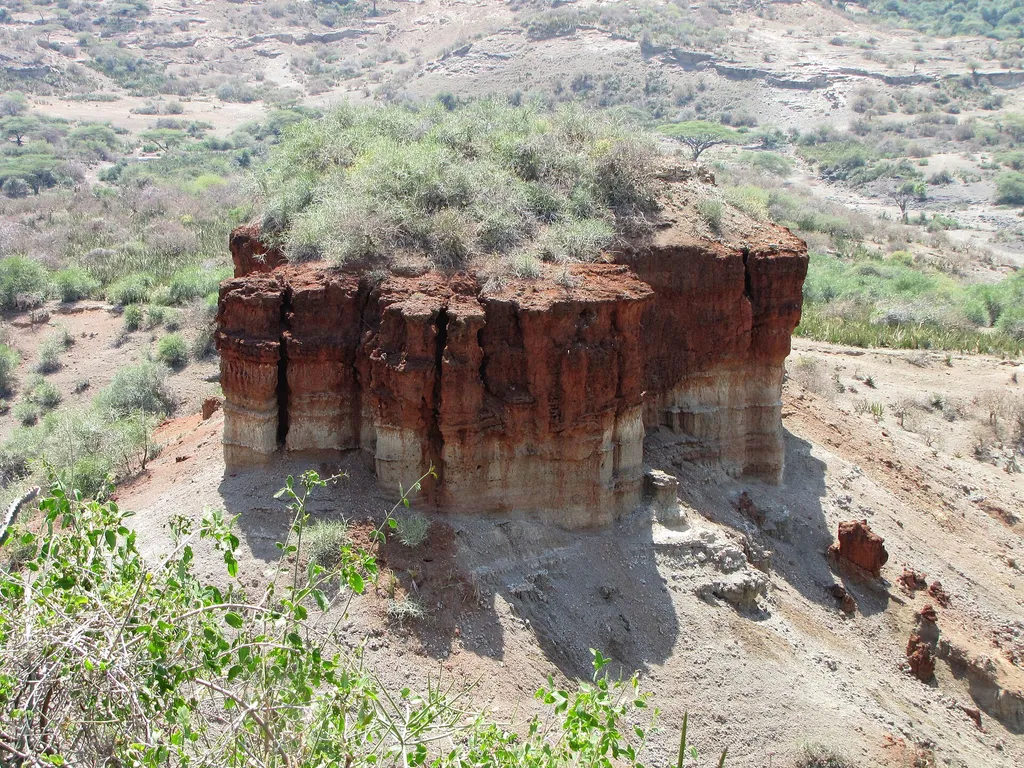
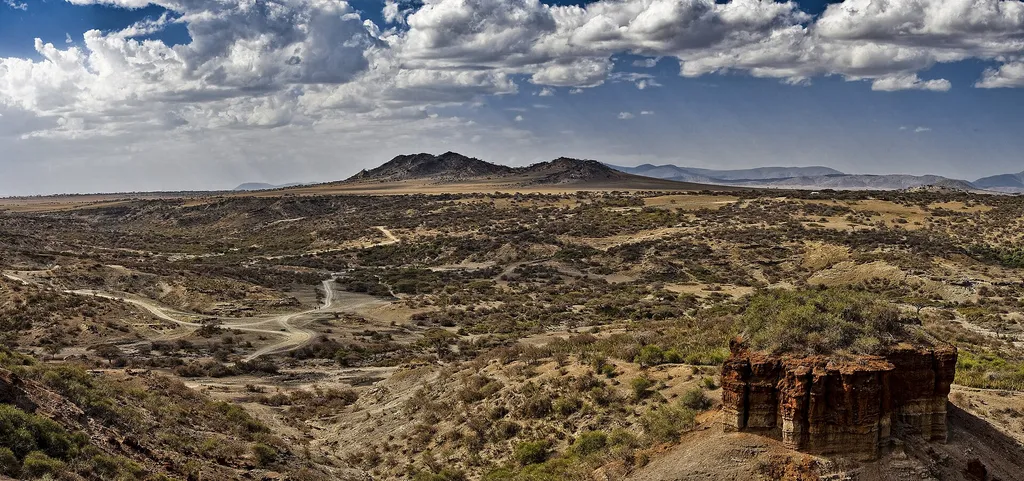
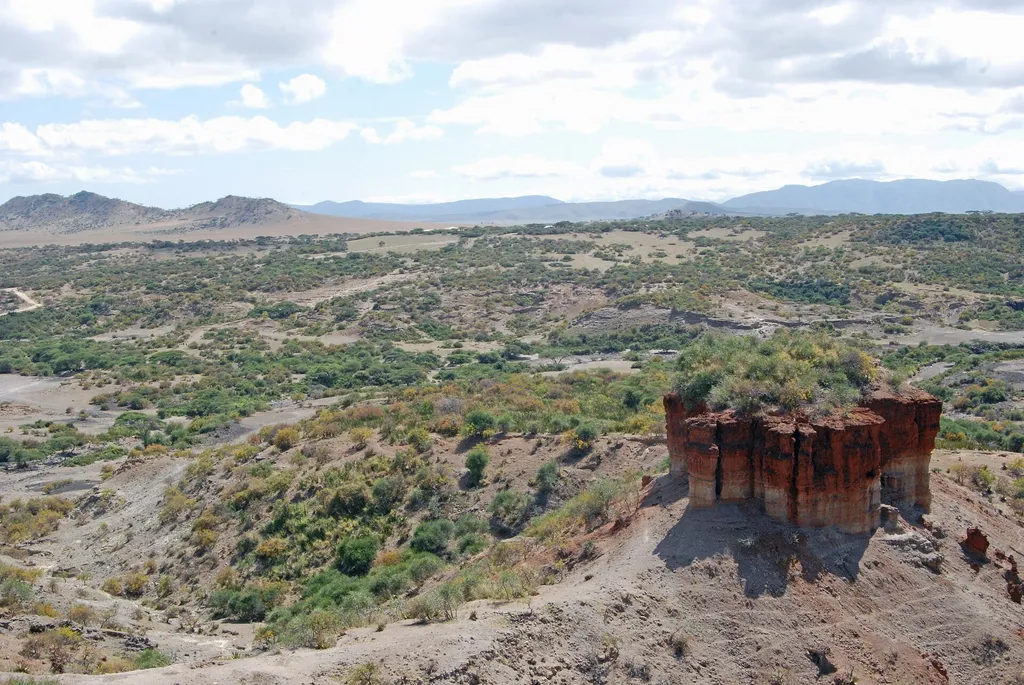
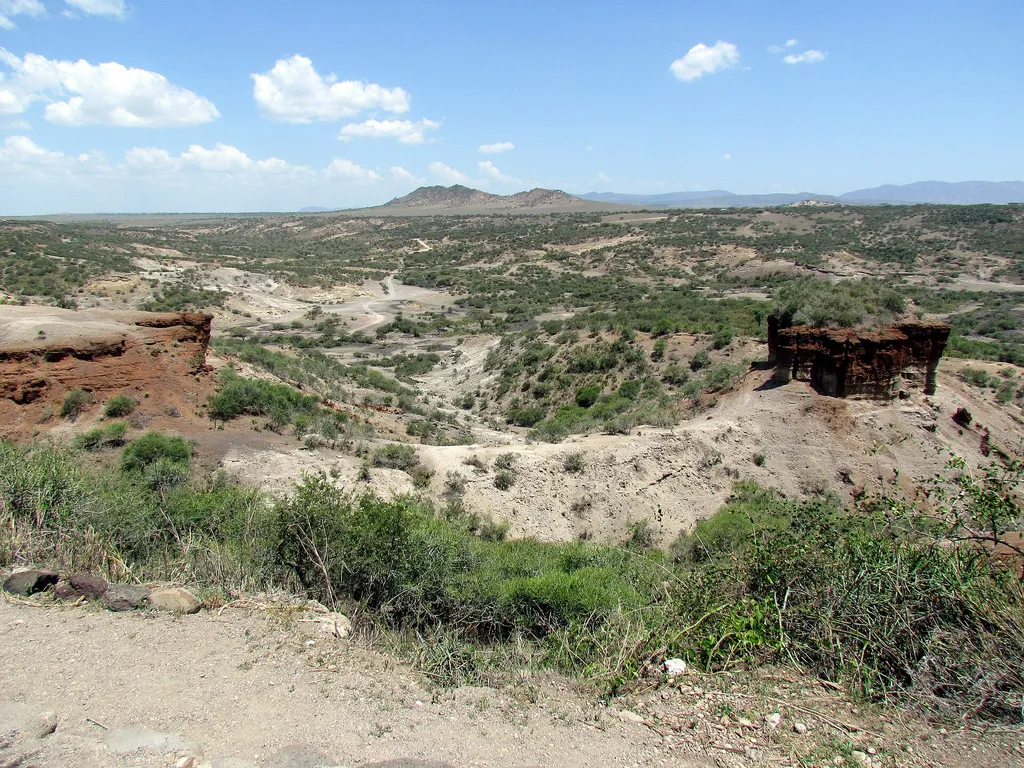
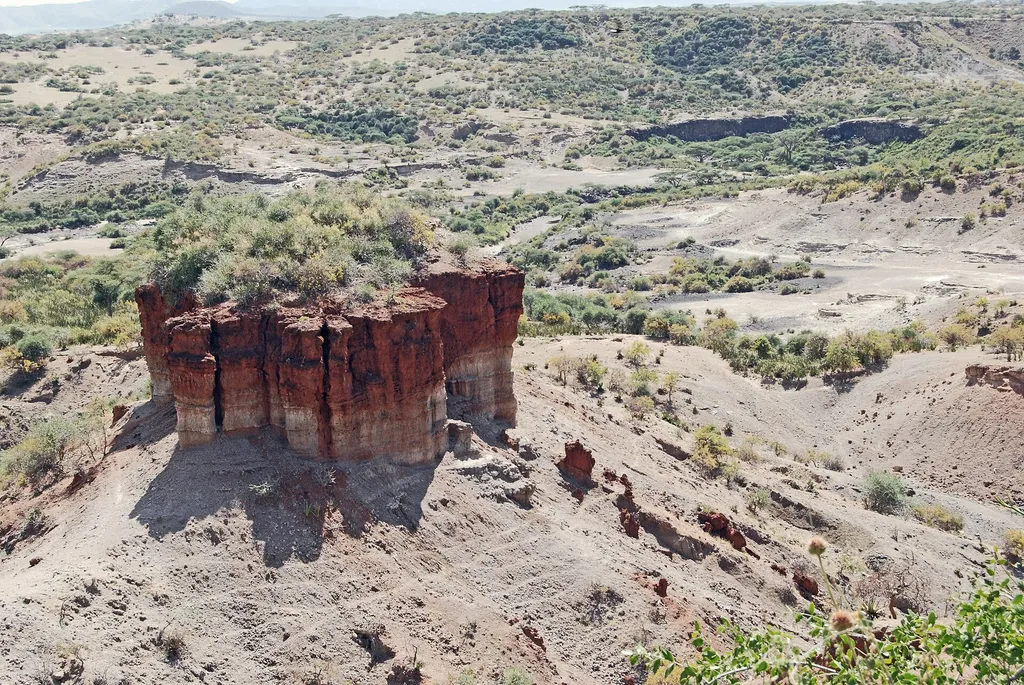
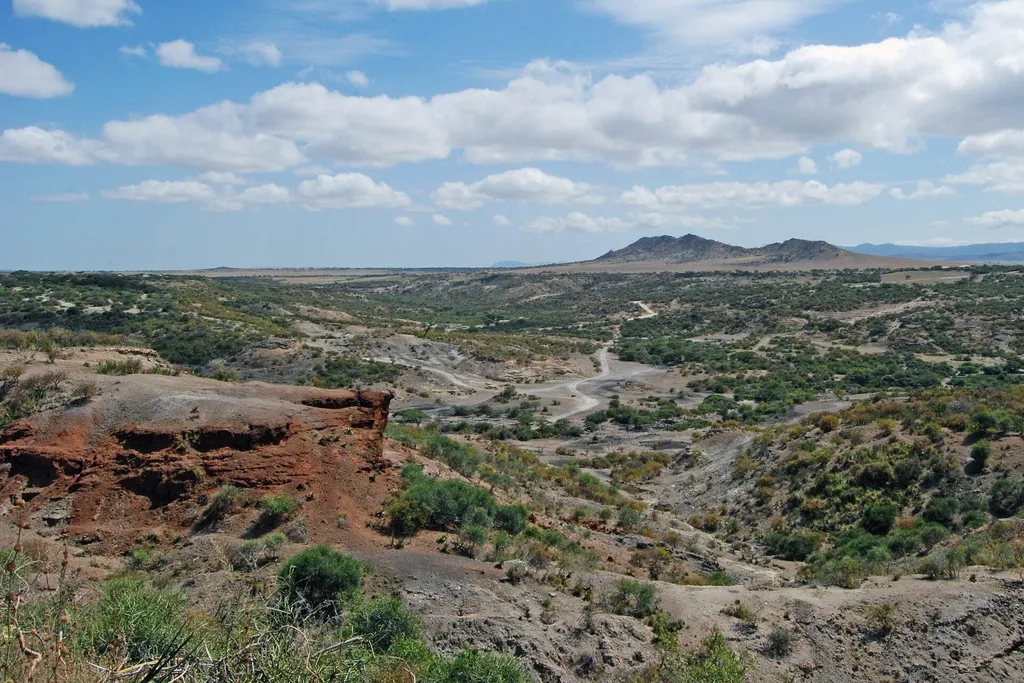
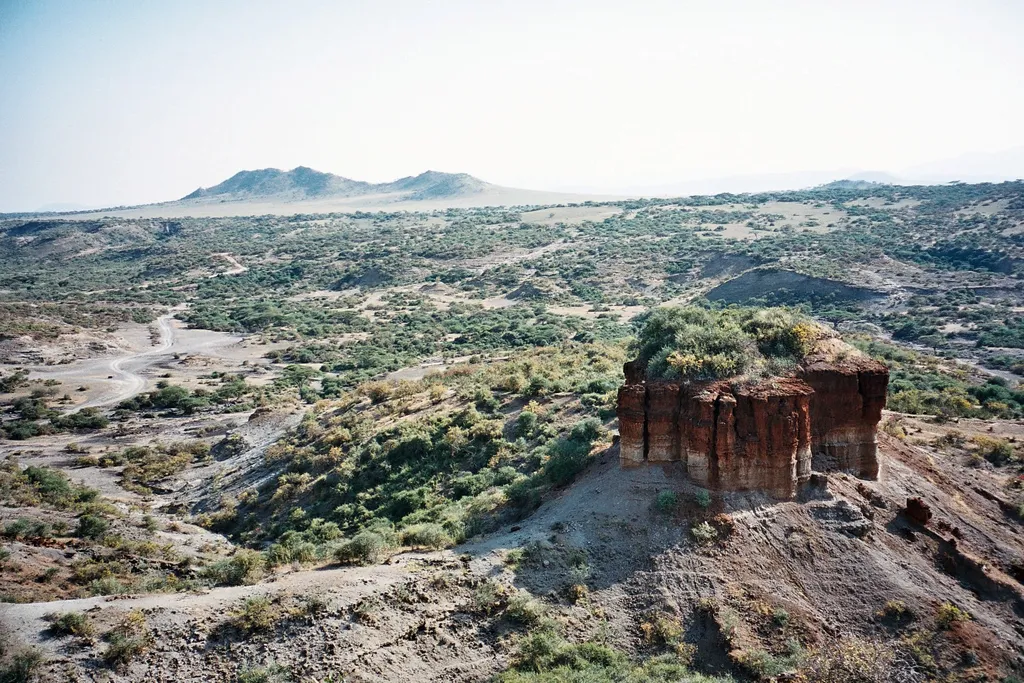
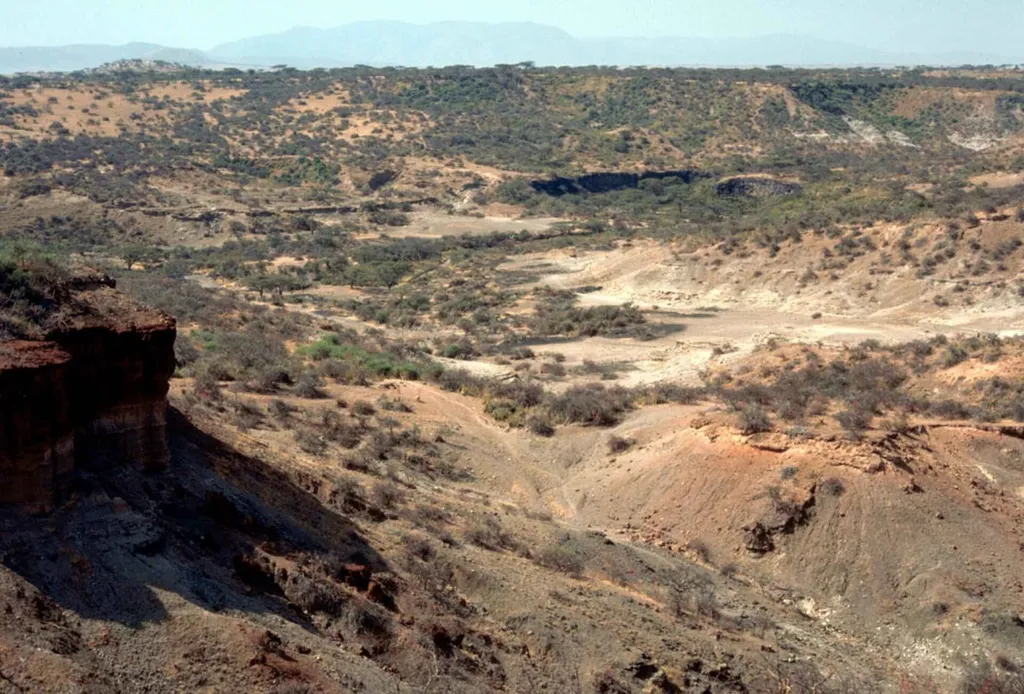
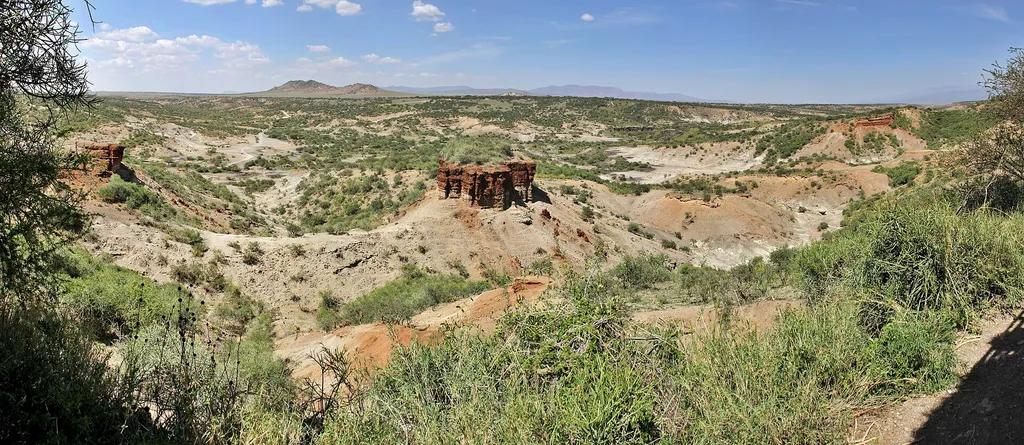
Olduvai Gorge is a steep-sided ravine in the Ngorongoro Conservation Area, and one of the places that changed what we know about human beginnings. It runs for about 48 kilometres and is up to 90 metres deep, cutting through layers of ash and sediment. A visit suits anyone curious about human origins, from fossil enthusiasts to families with older children. It lies right beside the road between the Ngorongoro Crater and the Serengeti, so it adds depth to a safari without much extra driving.
Why the gorge matters
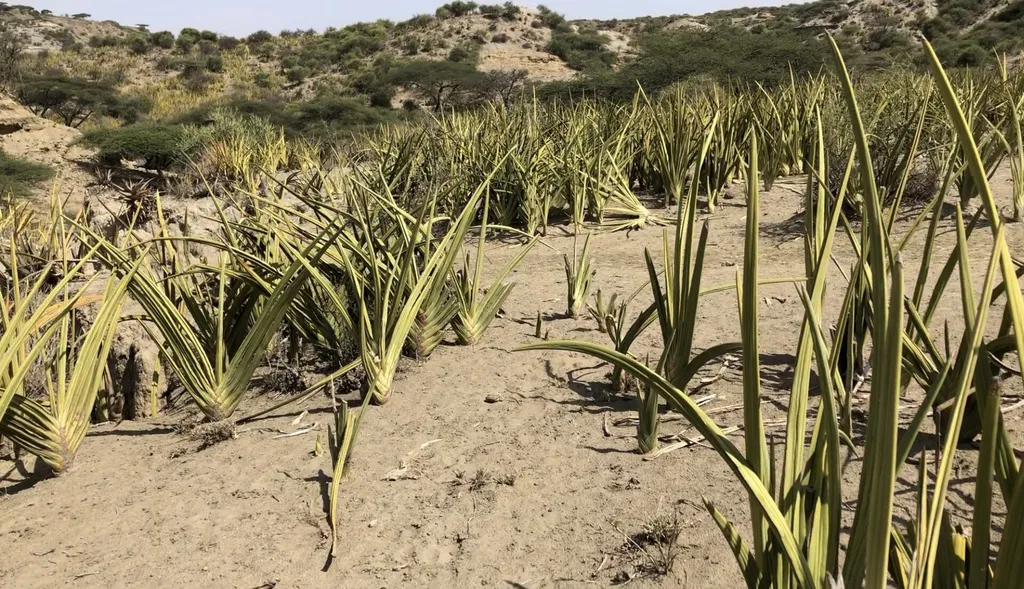
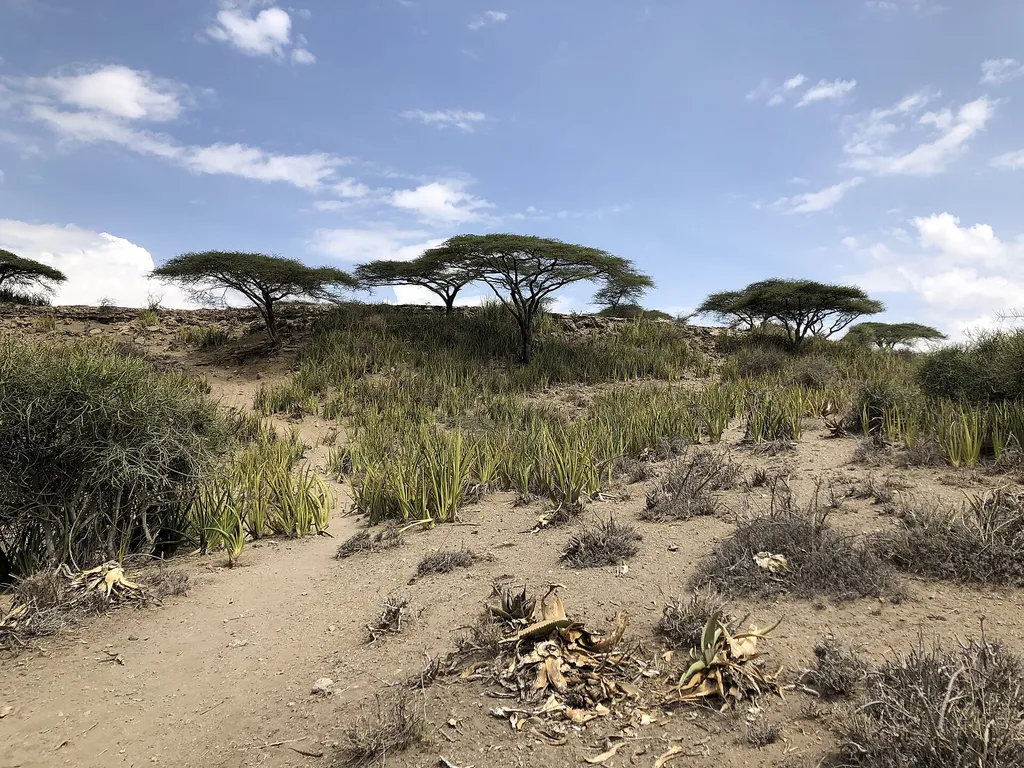
In 1959 Mary Leakey found the skull now known as Zinjanthropus, or Paranthropus boisei, dated to about 1.75 million years ago. The discovery pushed back the accepted timeline of human evolution, and the following year brought the first remains of Homo habilis. The gorge also lends its name to Oldowan stone tools, among the oldest known. Oldupai is the Maasai word for wild sisal, the spiky plant that still grows along the edges; "Olduvai" began as a misspelling in 1911, and both names are in use.
What you will see
- The museum: a newer building with displays on the finds and the scientists behind them. Many of the exhibits are casts rather than original fossils
- The Laetoli footprints: a cast of tracks left in volcanic ash some 3.6 million years ago, found about 45 kilometres away
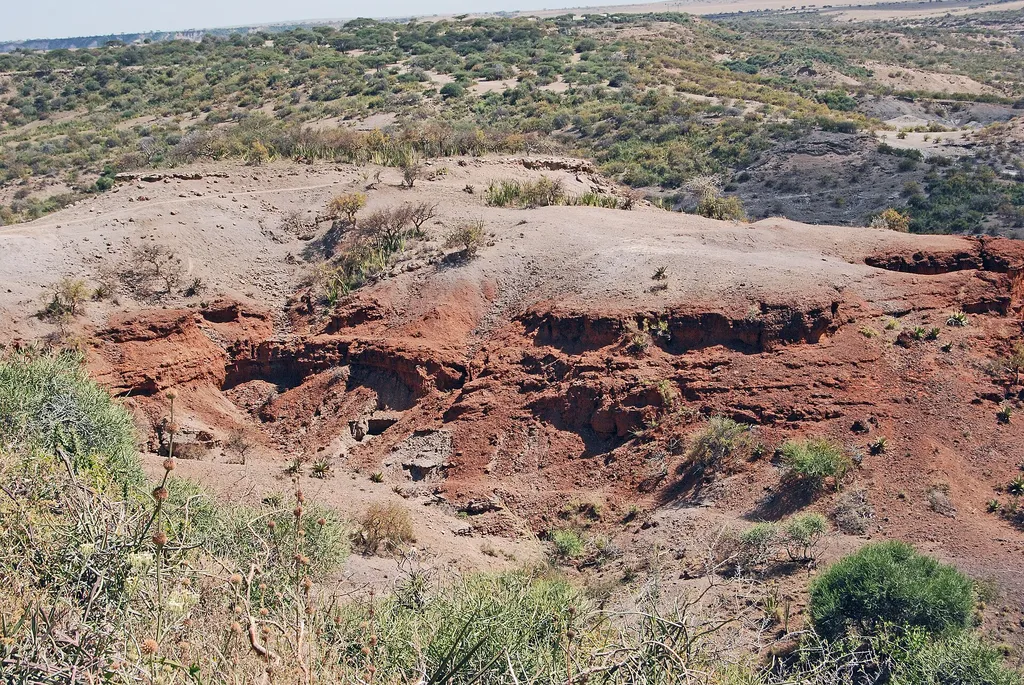
- The rim talk: a short introduction looking down into the gorge, with a guided walk to the dig sites if time allows
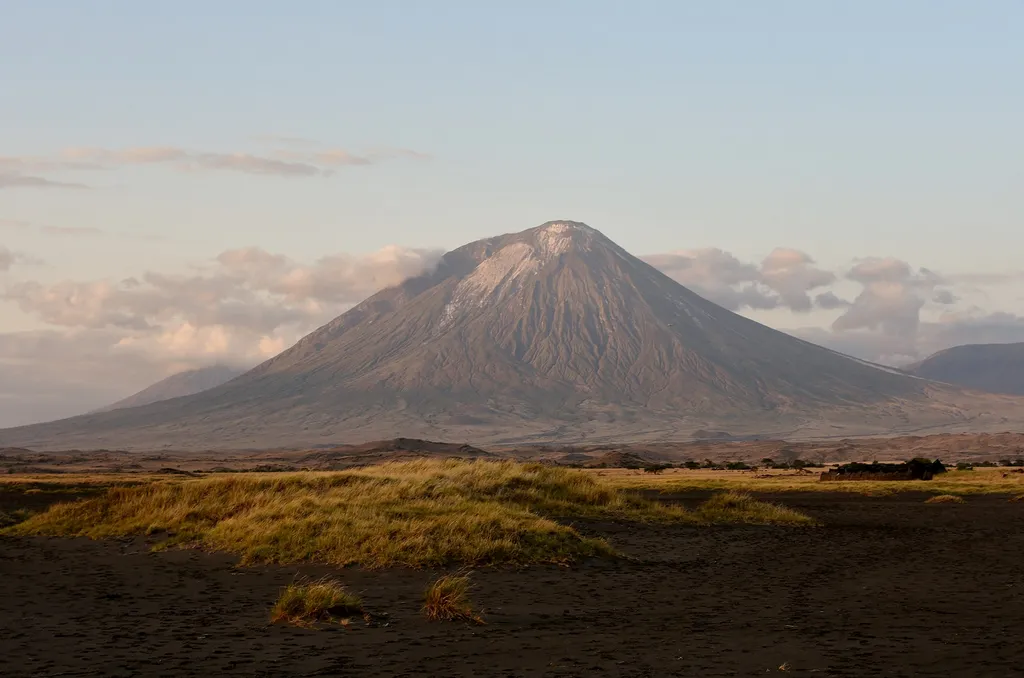
- Shifting Sands: a dune of black volcanic ash nearby that creeps slowly across the plain
When to go
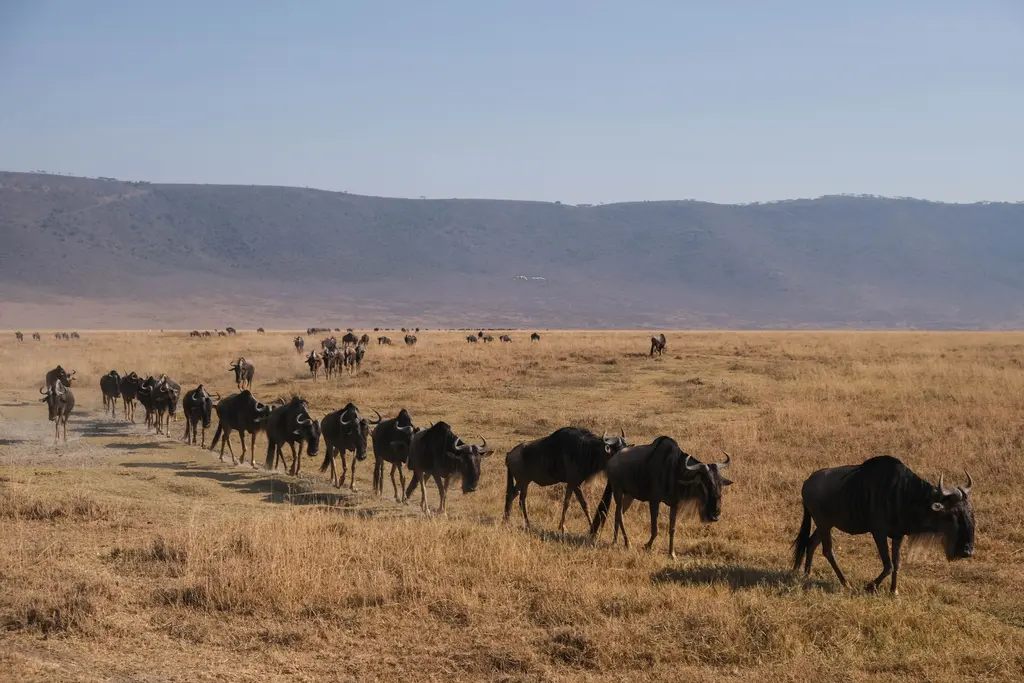
The gorge is open all year, so a visit works in any season. Between December and March it fits neatly with the calving season on the short-grass plains around Ndutu. In the rains the tracks can be muddy, so allow a little more time for the drive. The Tanzania weather guide has month-by-month conditions.
Getting there
The turn-off is on the main road from the Ngorongoro highlands to the Serengeti, around four to five hours' drive from Arusha. Most visitors stop for a few hours on the way through, often with lunch, before carrying on to the Serengeti or back towards the crater rim.
How it fits your trip
Olduvai belongs inside a northern safari rather than on its own. If your trip begins with a Kilimanjaro climb, the classic route on through Ngorongoro and the Serengeti passes close by, and the gorge breaks up a long drive with something quite different from game viewing. Older children can see real excavation sites for themselves. Your guide can add a visit to a nearby Maasai settlement if you would like to meet the people whose word gave the gorge its name.
Where to stay
There is no need to sleep at the gorge itself. Most travellers stay in the Ngorongoro highlands or in the Serengeti and call in on the way between them, and in the calving season camps around Ndutu put you within easy reach. Send us your dates and we will build it into your route.