A 7-day mid-range safari through Tarangire, Lake Manyara, the Serengeti, and the Ngorongoro Crater, with a Maasai village visit and a day tour in the foothills of Mount Kilimanjaro, in a private 4x4 with a professional English-speaking driver-guide.
This 7-day mid-range safari offers a well-rounded journey through Northern Tanzania’s finest parks, paired with a cultural visit and a memorable day in the foothills of Africa’s highest mountain. You explore Tarangire, Lake Manyara, the Serengeti, and the Ngorongoro Crater, travelling privately in a 4×4 safari Land Cruiser with a pop-up roof and a professional English-speaking driver-guide throughout.
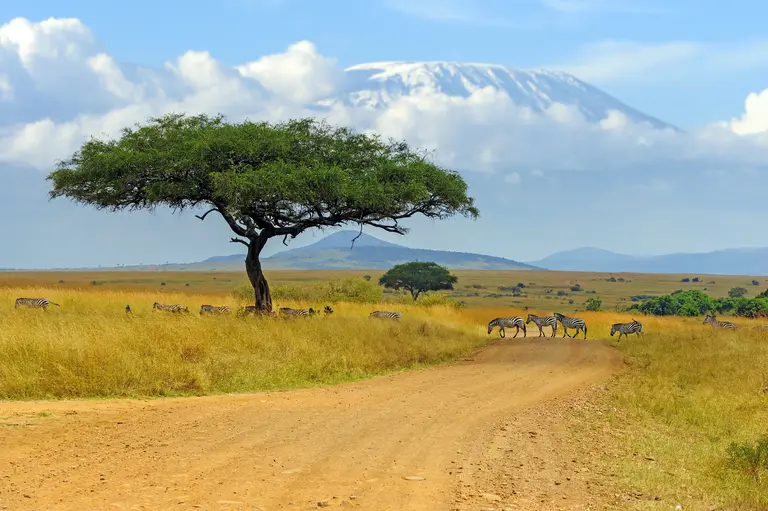
Highlights include the elephant herds and baobabs of Tarangire, the tree-climbing lions of Lake Manyara, big cats and great herds on the Serengeti plains, and the Big Five on the floor of the Ngorongoro Crater. A visit to a Maasai village at Mto wa Mbu adds a genuine cultural dimension, with traditional dance and a glimpse of everyday life.
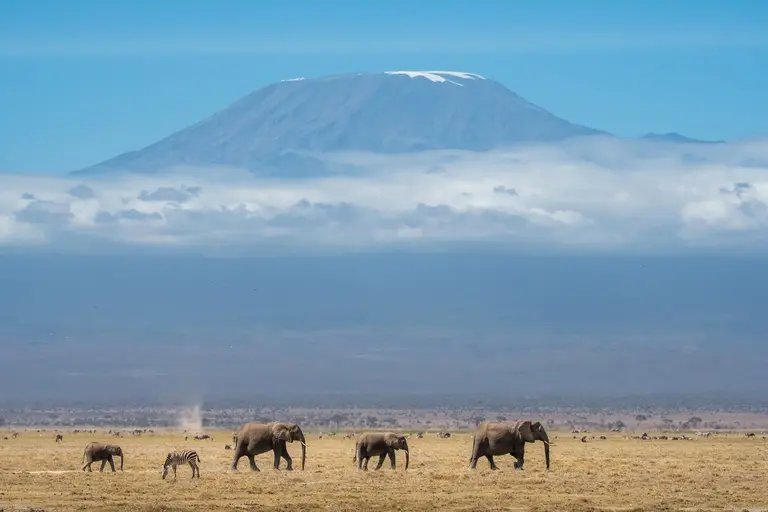
The safari finishes with a day tour in the foothills of Mount Kilimanjaro – taking in mountain views (weather permitting), a walk to the waterfalls, a coffee and banana plantation, and a Chagga village with its historic caves. Accommodation is in comfortable 3-star lodges on a full-board basis while on safari, making this a relaxed, well-paced mid-range adventure.
Arrive at Kilimanjaro International Airport, where you are met and transferred to Arusha for an overnight at Medan Lodge on a bed-and-breakfast basis, ready to begin your safari the next morning.
After breakfast, drive to Tarangire National Park, Tanzania’s third-largest park and a sanctuary for large elephant herds, with baobab-dotted plains and wildlife along the Tarangire River. Enjoy a day of game viewing before returning to Twiga Lodge for dinner and overnight.

After breakfast, drive to Lake Manyara National Park in the Great Rift Valley. With a picnic lunch in the park, look for its famous tree-climbing lions, elephants, hippos, and colourful birdlife on an afternoon game drive, then return to Twiga Lodge for dinner and overnight.
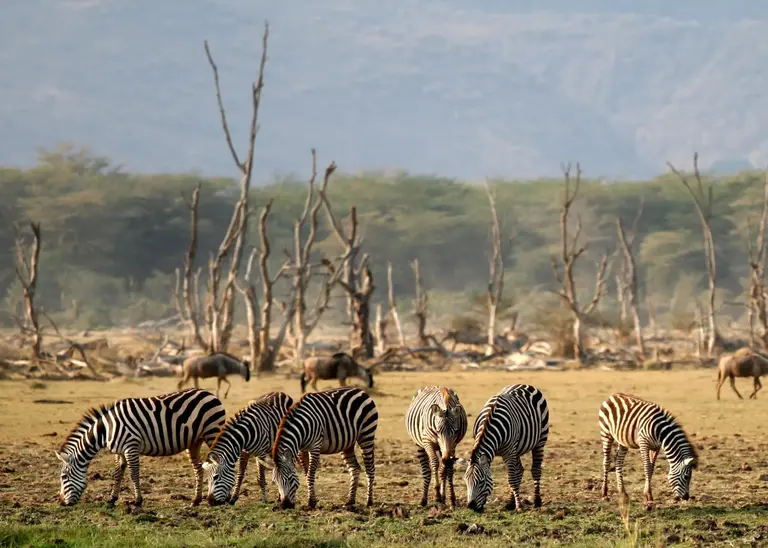
Depart for the Serengeti National Park, travelling from the Manyara area onto the great plains. Arrive in time for a picnic lunch and an afternoon game drive across one of the last great wildernesses, before dinner and overnight at Serengeti Heritage Camp.

After an early breakfast, drive to the Ngorongoro Crater and descend for a game drive in search of the Big Five, including the rare black rhino. After lunch, ascend from the crater and continue to Farm of Dream Lodge near Karatu for dinner and overnight.

After breakfast, visit a Maasai village at Mto wa Mbu to experience traditional dance and a glimpse of daily life. After lunch, drive to Arusha for dinner and overnight at Medan Lodge.
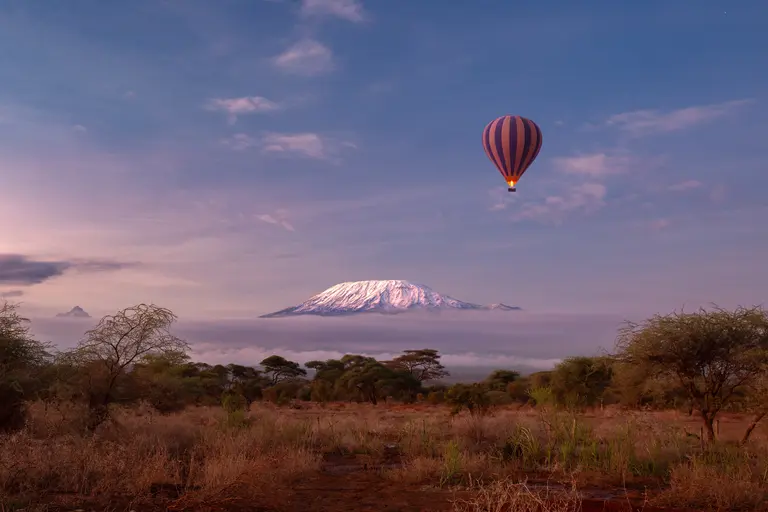
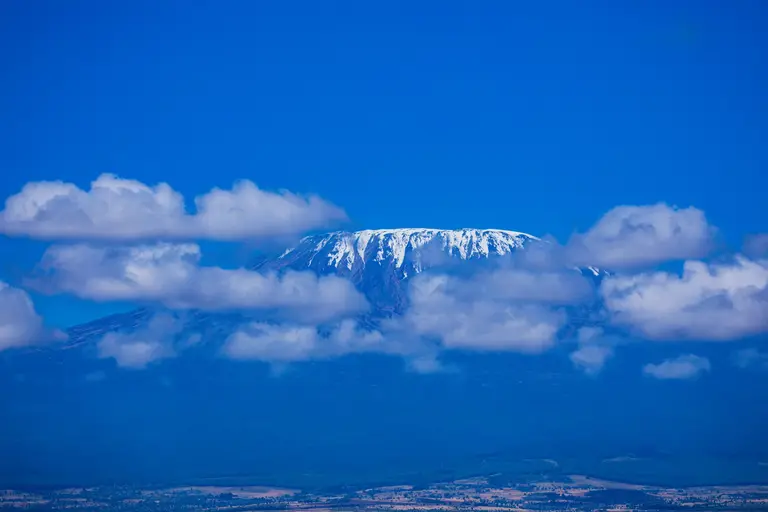
After breakfast, drive to the foothills of Mount Kilimanjaro for a day tour: enjoy views of Africa’s highest mountain (weather permitting), walk to the waterfalls, and visit a coffee and banana plantation and a Chagga village with its historic caves. Return to Arusha for a final dinner and overnight at Medan Lodge. This is a foothills day tour, not a mountain climb.
Every day of this itinerary is tailor-made and can be shaped around your dates, pace and budget. When you are ready, our team handles every detail - you simply arrive and enjoy.
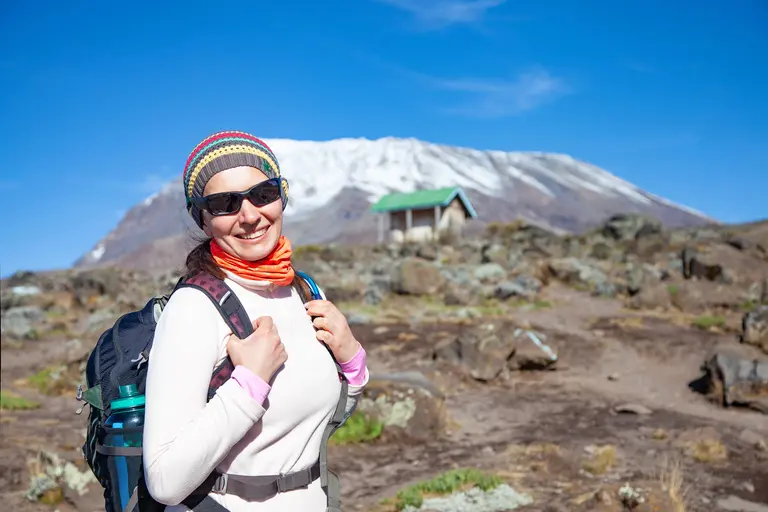
Kilimanjaro is a non-technical trek – no ropes or climbing skills are needed – but it is a serious high-altitude challenge. A good level of general fitness and some hill-walking preparation make it far more enjoyable. Determination matters as much as fitness.
Longer routes (7-8 days) give your body more time to acclimatise and significantly improve your summit chances. We help you choose the route – Machame, Lemosho, Marangu or Rongai – that best fits your experience, budget and time.
Your guides are trained in altitude first aid, monitor you twice daily with pulse-oximeter checks, and carry emergency oxygen. “Pole pole” (slowly, slowly) is the golden rule – a steady pace is the key to summiting safely.
Your climb includes park fees, mountain accommodation, all meals on the mountain, a professional crew (guides, cook and porters) and group equipment. Porters carry your main duffel; you carry only a daypack. We send a full packing list and can arrange gear rental.
The main seasons are January-March (colder, quieter, often clearer) and June-October (dry and popular). We generally avoid the long rains of April-May. Full-moon dates are popular for summit night.
A deposit secures your climb dates and permits; the balance is due before you arrive. Once booked we send a detailed packing list, training tips and pre-departure guidance.
Tell us your dates and what matters most - our team designs every journey by hand and replies within 24 hours, seven days a week.
Arusha is the base camp for the northern safari circuit. It sits at around 1,400 metres on the southern slopes of Mount Meru, which gives it a mild, green climate, and almost every Tanzanian safari, Kilimanjaro climb and Zanzibar add-on begins or ends with a night here.
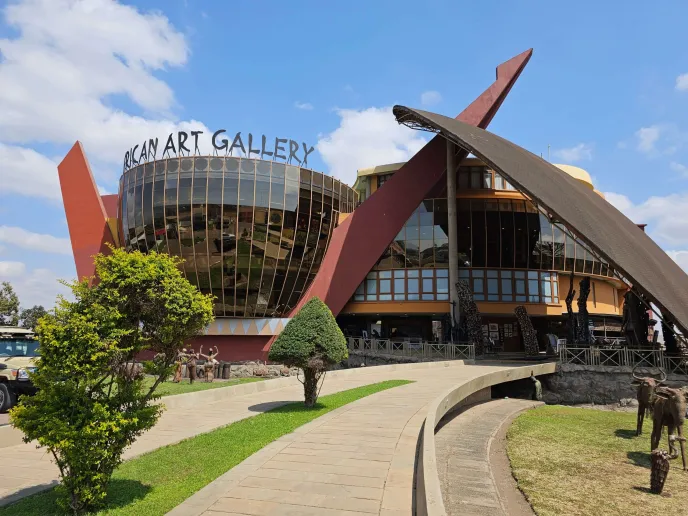
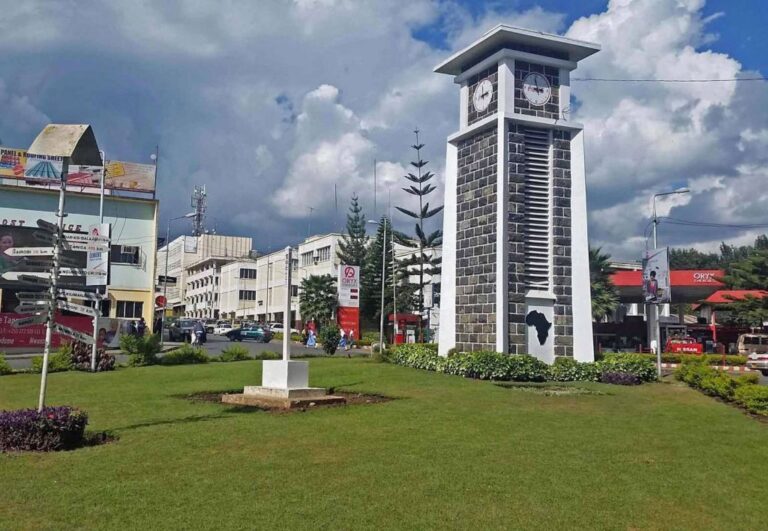
It is a working city rather than a resort. The Clock Tower roundabout at its centre is traditionally held to mark the midpoint between Cairo and Cape Town, and the Cultural Heritage Centre on the western edge of town houses one of East Africa’s largest collections of African art and Tanzanite. Most arrivals land at Kilimanjaro International Airport, roughly an hour east, and transfer straight here.
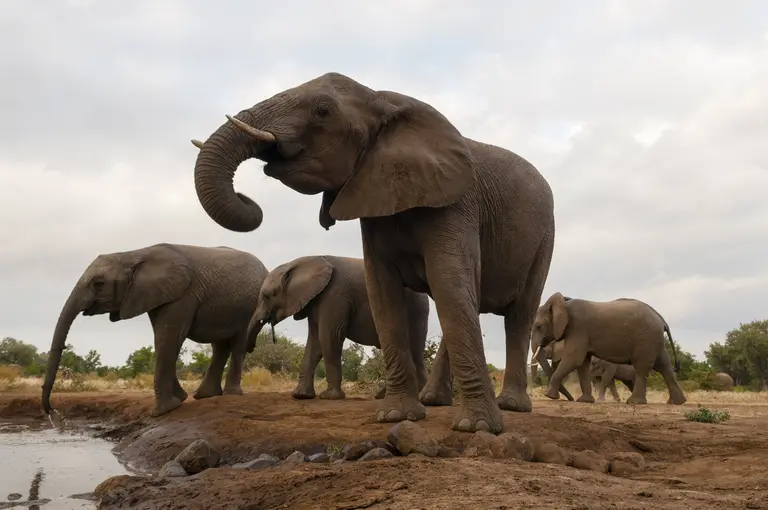
Tarangire National Park is a classic safari destination in northern Tanzania, famous for its wild, dramatic landscapes dominated by thousands of ancient baobab trees. The park’s eco-landscape centers around the perennial Tarangire River, which serves as the primary northern water source during the harsh dry season. The surrounding terrain is a beautiful mix of open acacia savannah, seasonal swamps, and deep river valleys that create a highly photogenic backdrop for big-game viewing.
During the dry months from July to October, the park experiences a massive mini-migration as thousands of animals travel from the surrounding dry Maasai Steppe to gather along the riverbanks. Tarangire is world-renowned for hosting some of the largest elephant herds in Africa, with groups of up to 300 individuals frequently seen bathing and digging for water in the dry riverbeds. This high concentration of prey draws prominent predator populations, including tree-climbing lions, leopards, and large packs of spotted hyenas.
Safari activities focus on extensive game driving along the river loops, alongside options for guided bush walking tours and bird-watching excursions to spot over 500 native species. Logistics are straightforward, with the main park gate located roughly a comfortable two-hour drive on paved roads from Arusha town. Accommodations are diverse and upscale, featuring luxury eco-lodges perched on scenic ridges, elevated treehouse suites built directly into living baobabs, and classic mobile tented camps.
Lake Manyara National Park is a compact, highly scenic sanctuary tucked directly beneath the sheer 600-meter cliffs of the Great Rift Valley escarpment. The park’s eco-landscape is incredibly diverse for its size, transitioning rapidly from a lush, groundwater forest fed by underground springs into open acacia woodlands and marshy lake flats. The park is dominated by its expansive alkaline lake, which expands and contracts seasonally, covering up to two-thirds of the total park area during high water levels.
The park is legendary for its unique population of tree-climbing lions, which spend the heat of the afternoon resting high up in the branches of ancient mahogany and acacia trees. The groundwater forest is home to massive troops of olive baboons and elephants, while the open lake shores support thousands of seasonal pink flamingos and storks. Travelers can also expect reliable sightings of hippos at the northern pool, giraffes, zebras, and various plains game grazing along the grassy lake edges.
Activities inside Lake Manyara include day and night game drives, canoe safaris when water levels permit, and walking tours along an elevated forest canopy treetop walkway. Logistics are exceptionally convenient, as the park gate sits right off the main paved highway leading from Arusha to the Ngorongoro Crater, making it a perfect first-day safari stop. Lodging options are well-developed, featuring luxury clifftop lodges on the escarpment and intimate tented camps tucked into the surrounding acacia scrub.
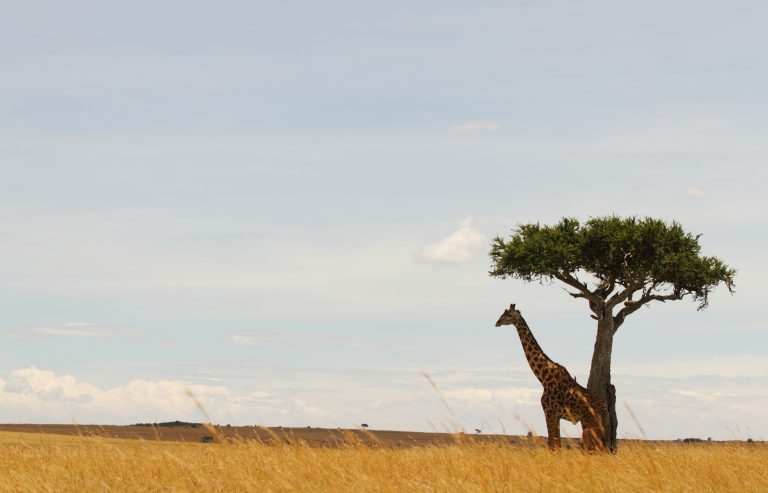
The Serengeti National Park is Tanzania’s flagship safari destination and a world-renowned wilderness sanctuary celebrated for its immense, uninterrupted sense of space. The eco-landscape is defined by its iconic, endless short-grass plains, granite rock outcroppings (kopjes), and riverine forests that stretch north toward Kenya’s Maasai Mara. The park is a highly dynamic ecosystem that changes radically with the seasons, transforming from a golden, windswept desert in the dry months to a vibrant green sea of grass after the rains.
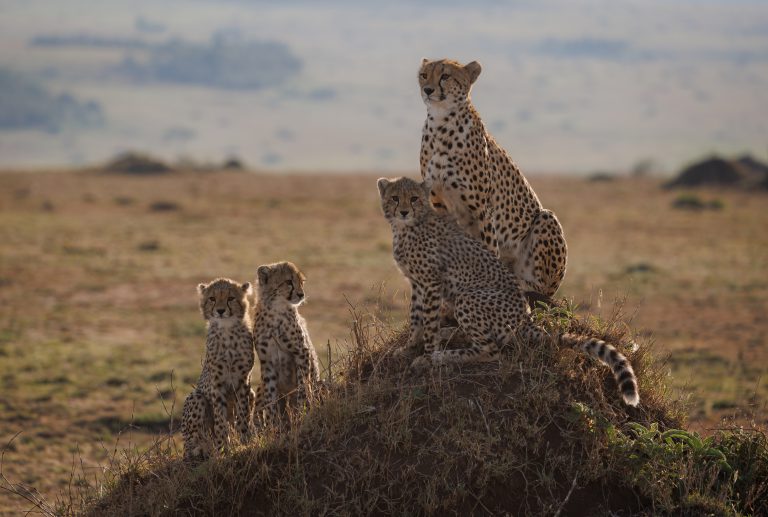
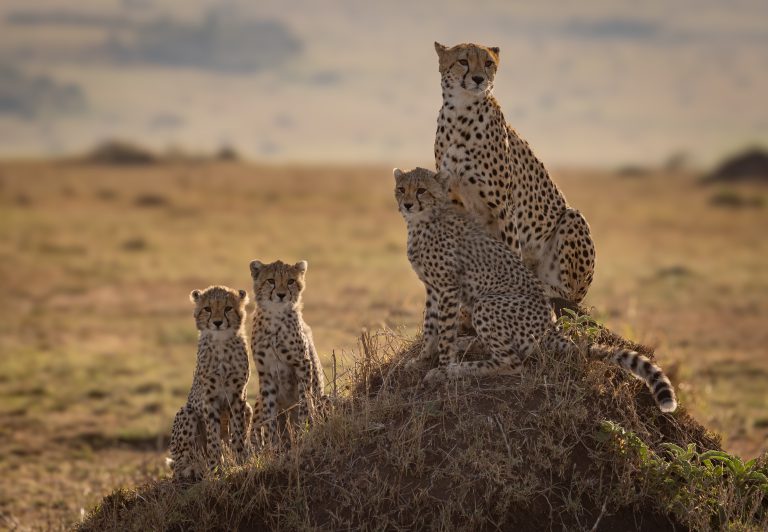
The park is the definitive home of the Great Wildebeest Migration, a continuous annual cycle where over two million wildebeests, zebras, and gazelles march across the plains in search of fresh grazing land. This massive concentration of migratory prey supports Africa’s highest density of large apex predators, making it common to see lions hunting in teams, cheetahs tracking game from the kopjes, and leopards resting in sausage trees. The wildlife volume here is widely considered second to none, delivering exceptional big-game viewing throughout the year.
The primary safari activities revolve around morning and afternoon game drives, long-range migration tracking, and iconic hot air balloon safaris over the savannah at sunrise. Logistics are supported by a well-maintained network of internal airstrips (such as Seronera and Kogatende) connecting directly to Arusha, alongside traditional driving access via the Ngorongoro Conservation Area. Accommodations represent the pinnacle of safari hospitality, ranging from ultra-luxury permanent stone lodges to exclusive, mobile canvas tented camps that relocate seasonally to match the moving herds.
Mount Kilimanjaro is an iconic global landmark, standing as the highest mountain in Africa and the tallest free-standing mountain peak on earth. Its unique eco-landscape is a vertical journey through five distinct climate zones, starting in cultivated farmland and progressing upward through dense tropical rainforest, low alpine moorland, high alpine desert, and finally an arctic summit cap of permanent glacial ice. Climbers navigate this colossal volcanic massif via several designated routes, each offering a distinct perspective on the mountain’s topography.
The lower rainforest and heather zones host unique, specialized flora and fauna, including endemic Kilimanjaro impatiens flowers and colobus monkeys. As the altitude increases past 4,000 meters into the alpine desert, vegetation drops away completely to reveal massive, prehistoric giant groundsels and lobelias standing against the volcanic gravel fields. The ultimate goal is Uhuru Peak on the Kibo crater rim, where climbers stand alongside towering walls of ancient blue glacial ice to watch the sunrise over the African continent.
The core activity here is multi-day mountaineering trekking, with itineraries ranging from five to nine days depending on the selected route and required acclimatization time. Logistics require flying into Kilimanjaro International Airport (JRO) and basing out of the nearby gateway towns of Moshi or Arusha for gear checks and guide briefings. Accommodations on the mountain are strictly regulated, utilizing either public mountain huts on the Marangu route or mobile mountain tents pitched at designated wilderness campsites on all other trails.
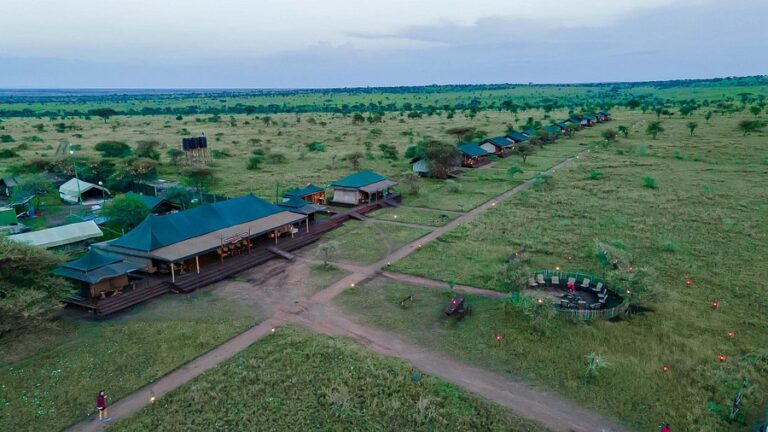
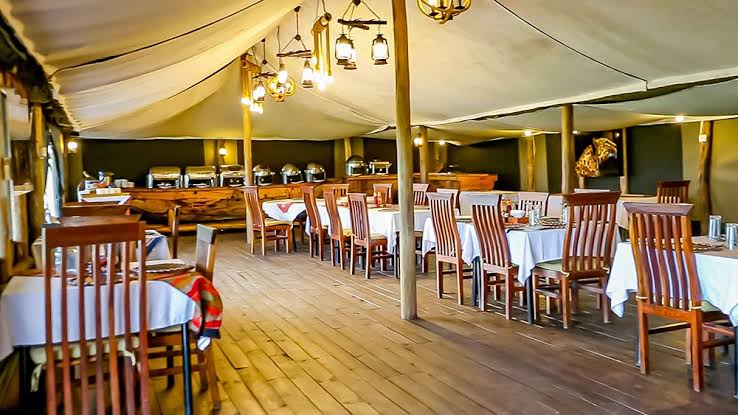
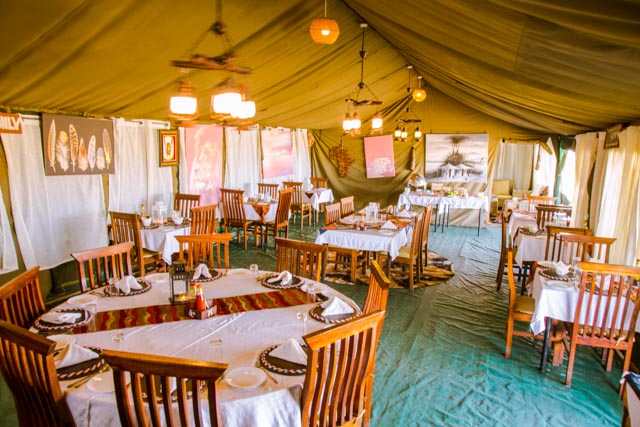
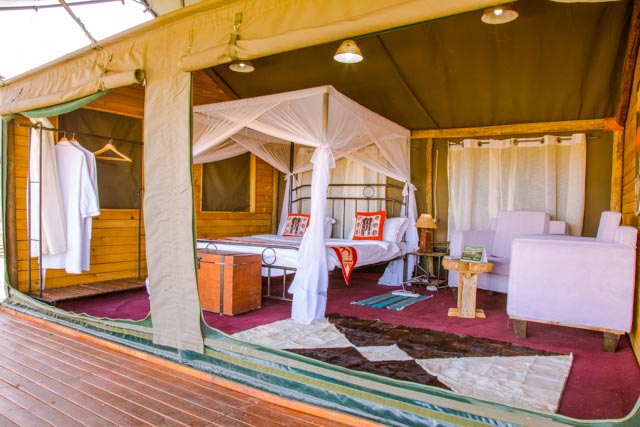
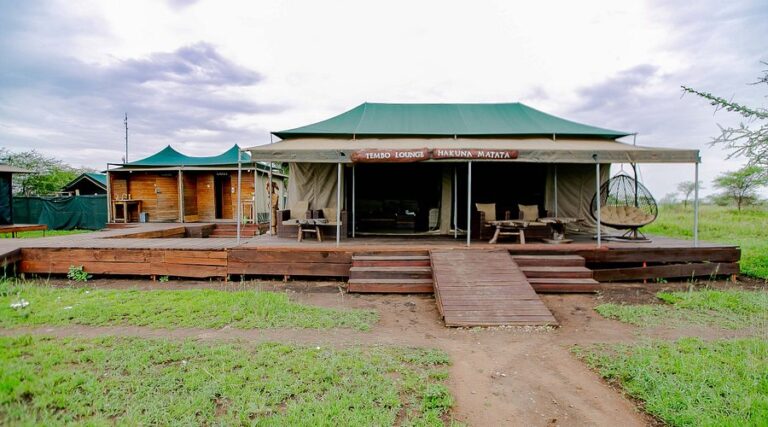
Serengeti Heritage Camp is a tented camp in the Serengeti, giving guests a classic under-canvas base close to the plains and the wildlife. It suits itineraries that want a bush-camp feel in the central park.
Accommodation is in en-suite safari tents. Verified facilities include a campfire area, full-board dining, solar power and easy game-drive access from the camp.
Meals are provided full-board during safari stays. It offers a tented-camp atmosphere rather than lodge-style comfort, and its exact standard is best confirmed before publishing.