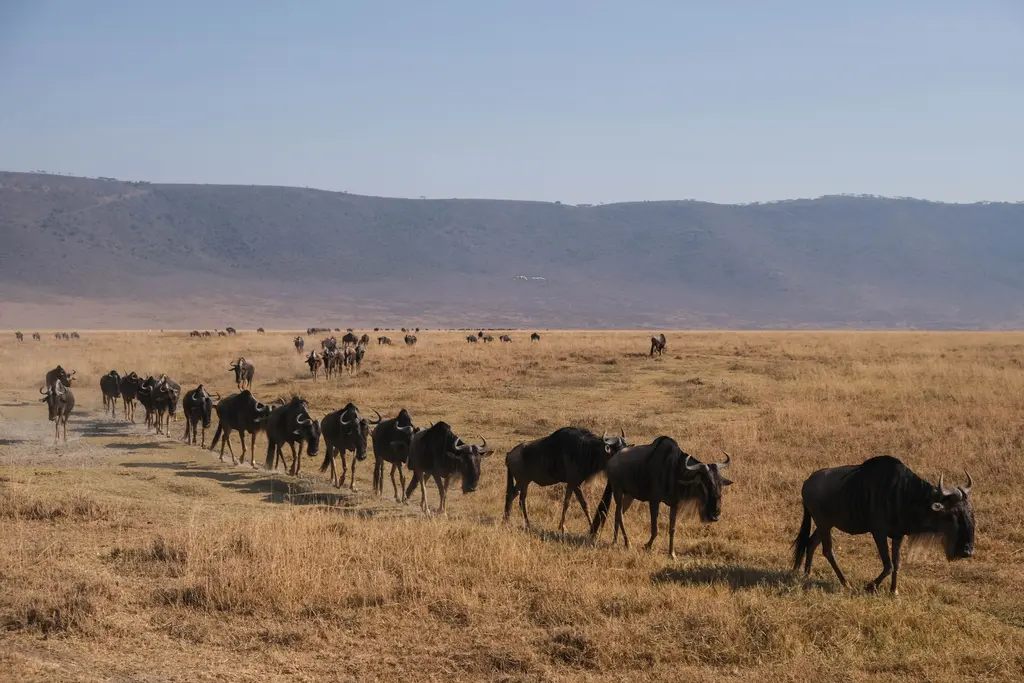
About Ngorongoro Crater
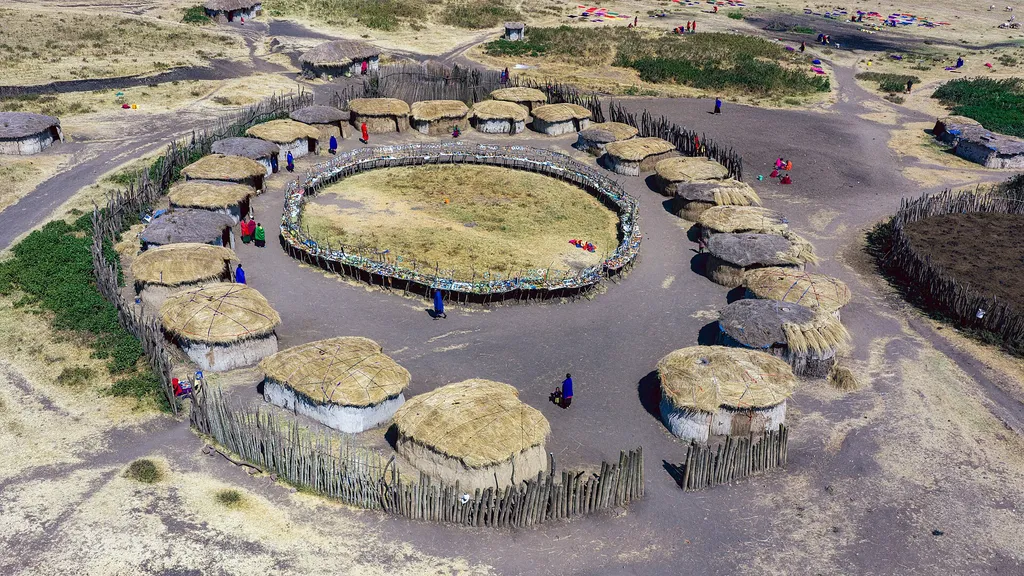
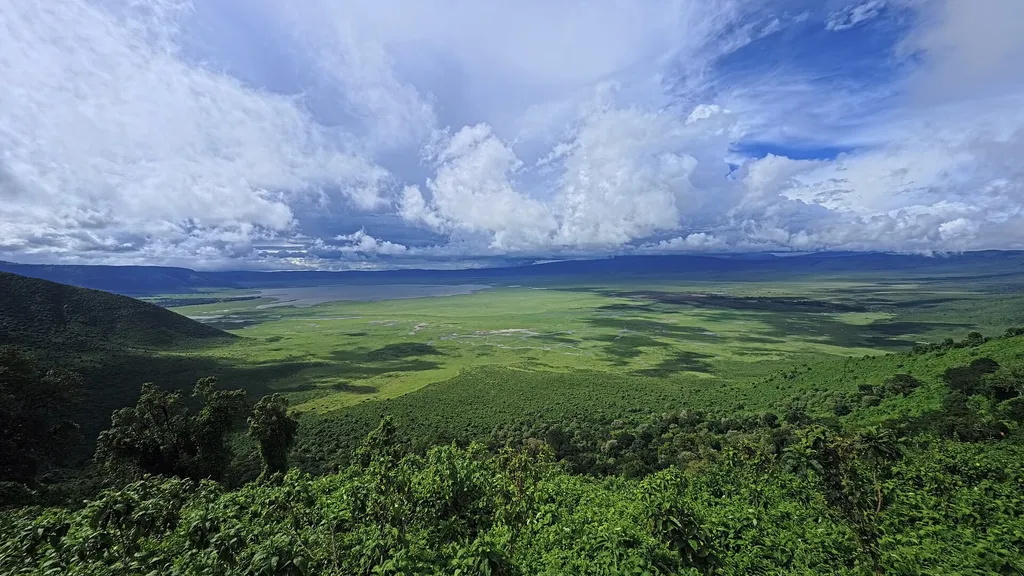
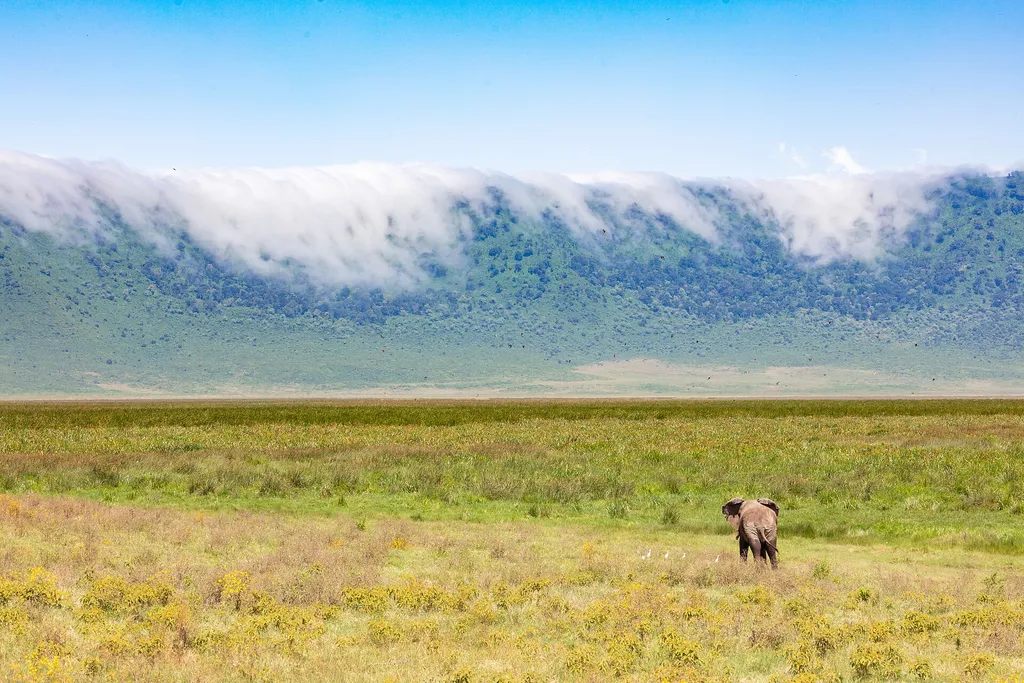
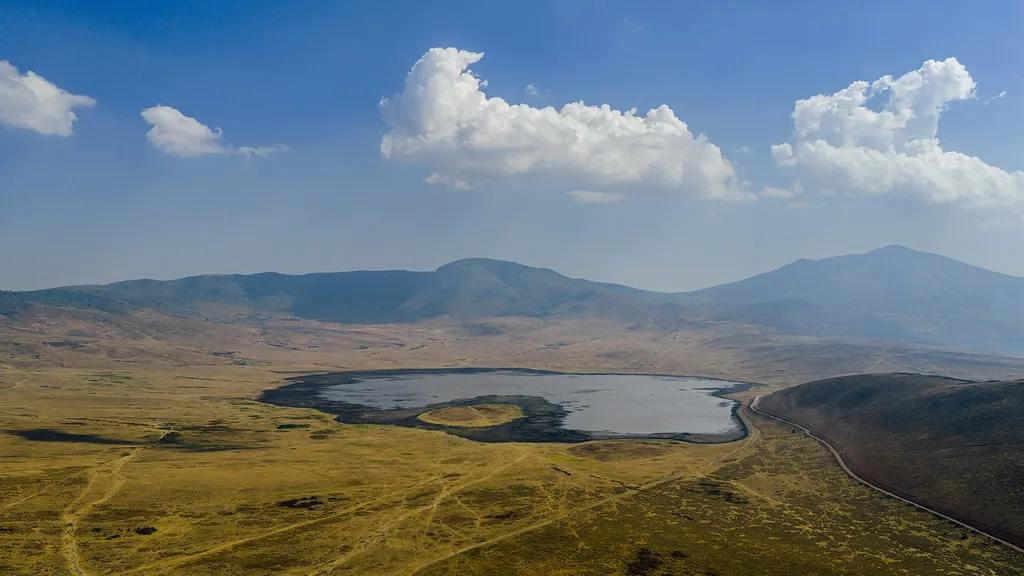
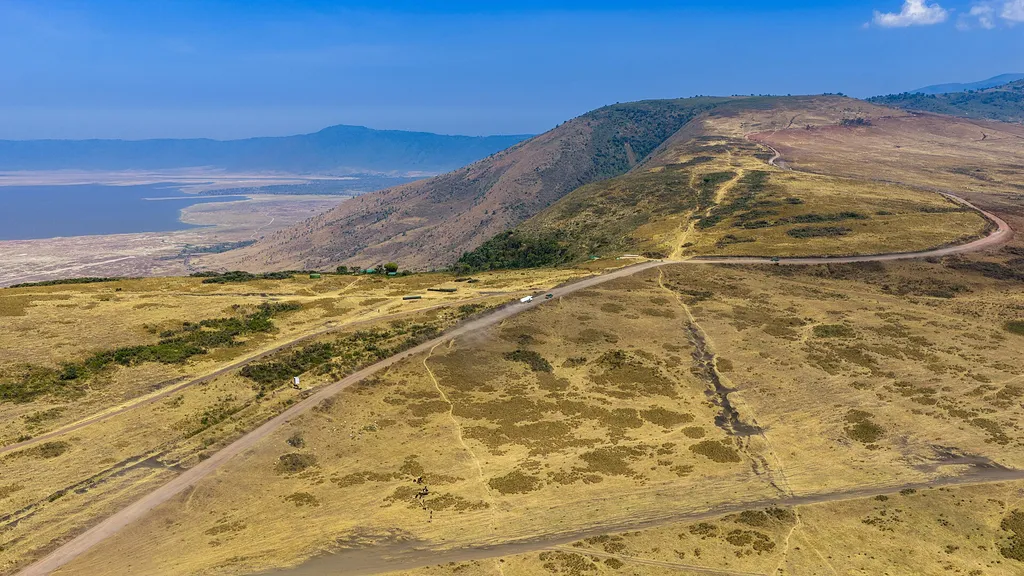
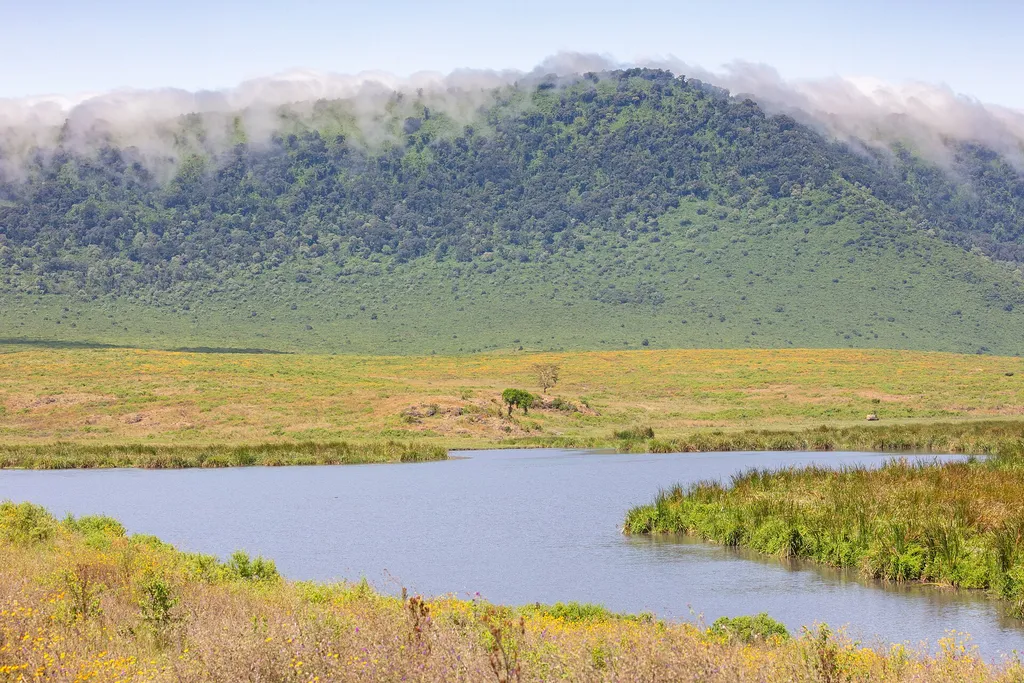
The Ngorongoro Crater is the floor of an old volcano that collapsed in on itself, leaving a bowl about 260 km² across and roughly 600 m deep. Standing on the rim on a clear morning, you look down onto grassland, a soda lake, swamps and patches of forest, all ringed by steep green walls. Because so much wildlife lives inside such a small space, a single day on the crater floor can show you more species than a week in many other places. It is part of the Ngorongoro Conservation Area, a UNESCO World Heritage Site where Maasai families still graze their cattle alongside the wildlife on the highlands around the crater.
What you will see
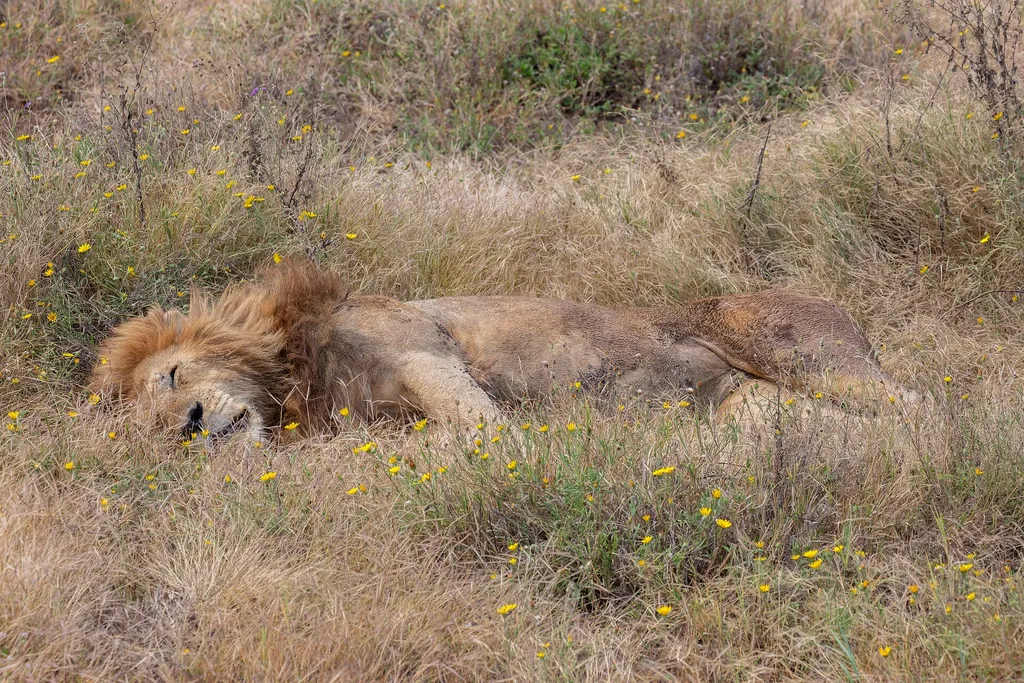
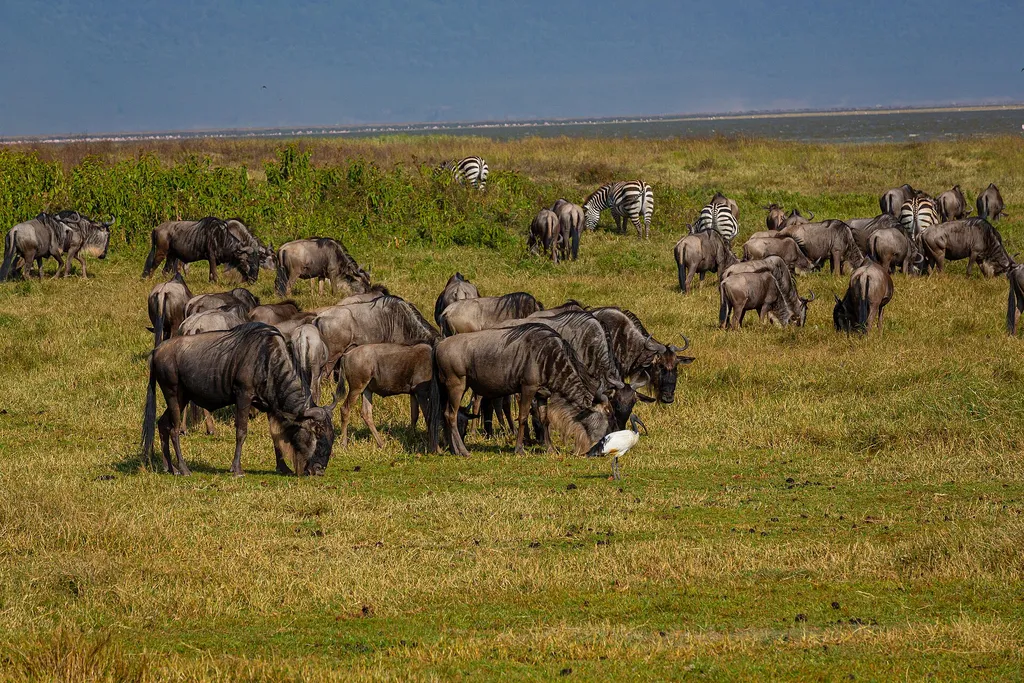
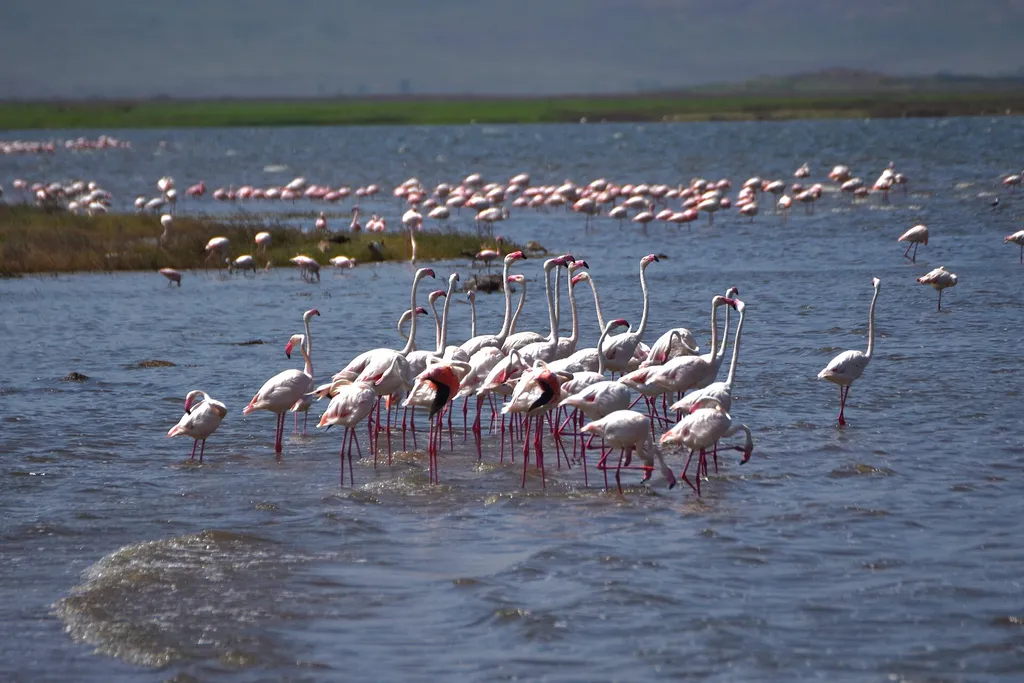
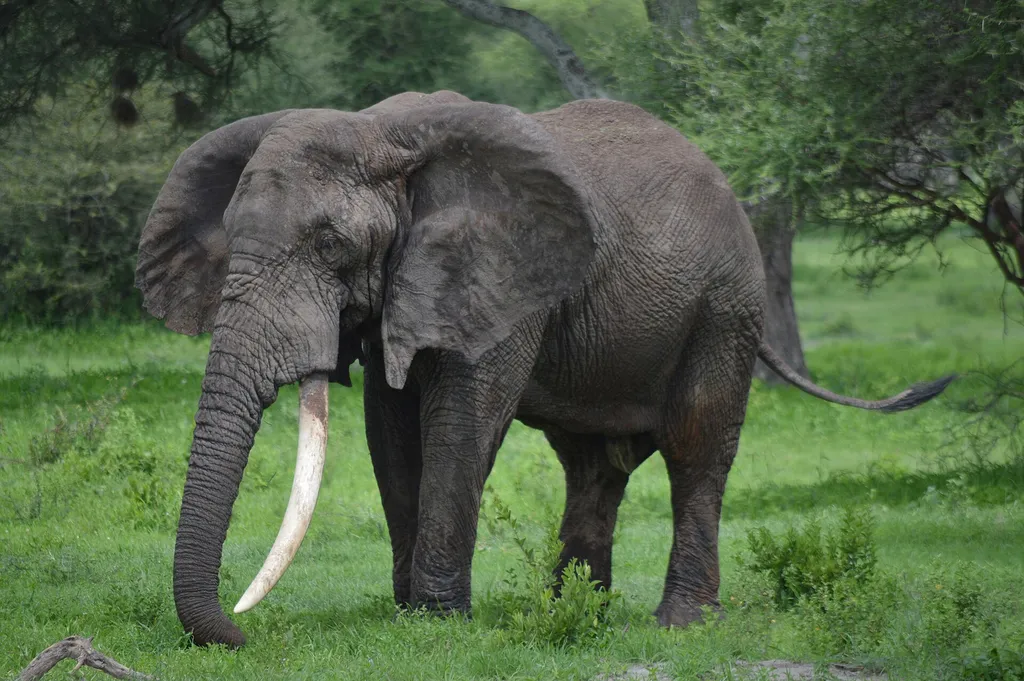
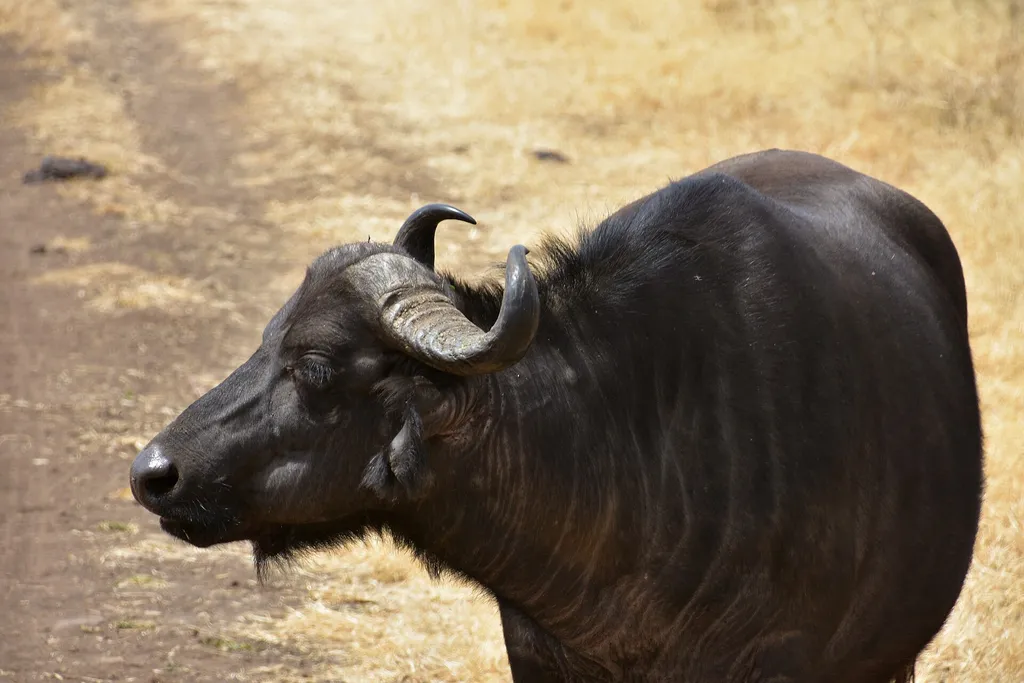
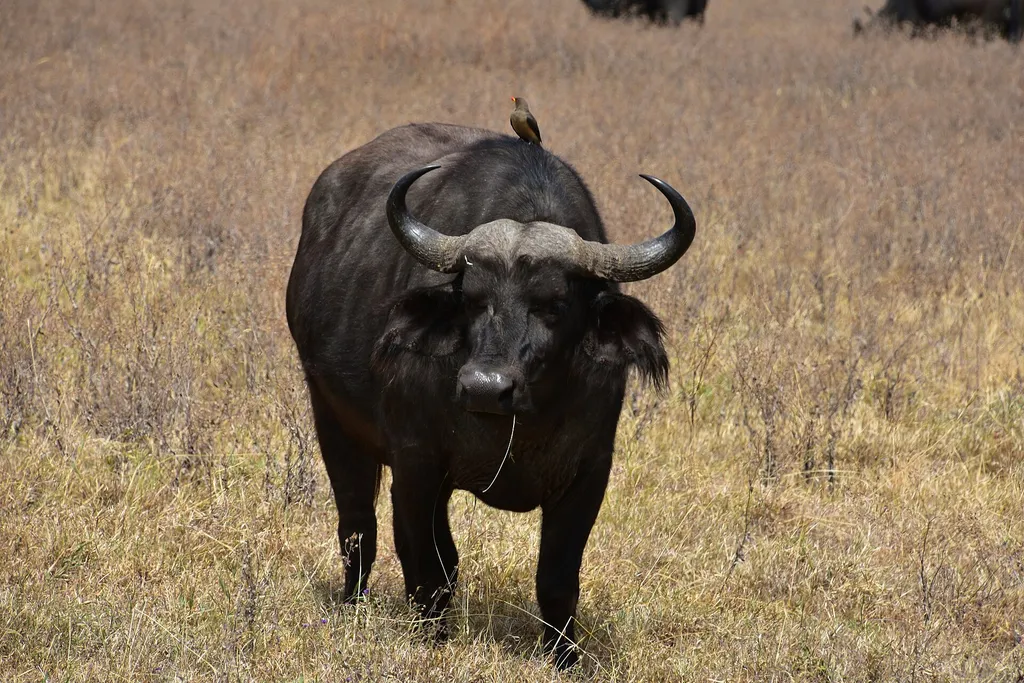
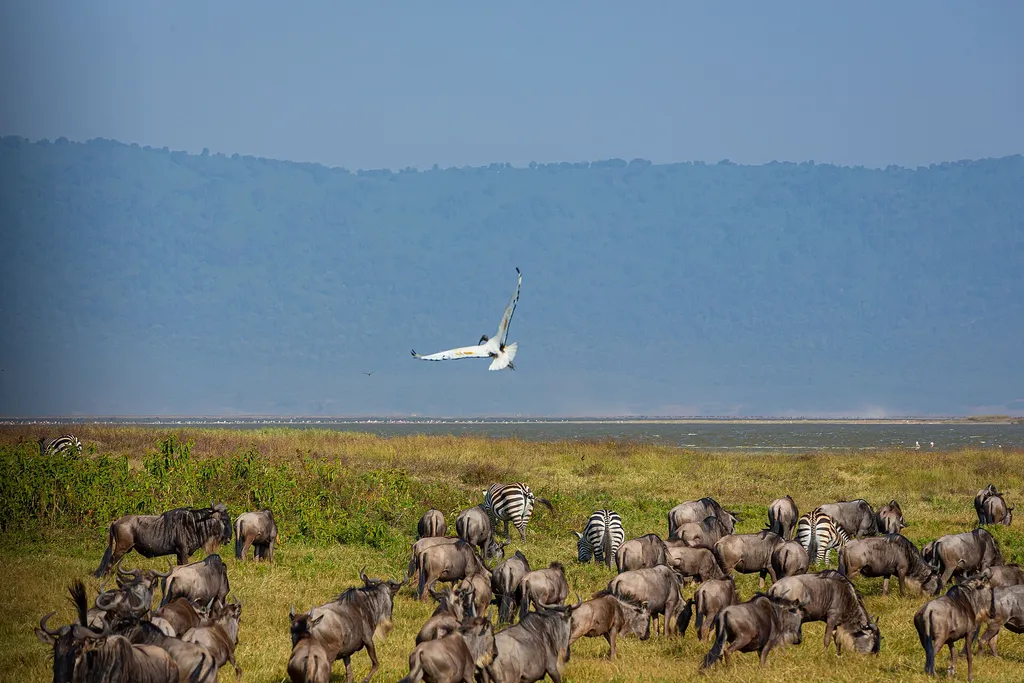
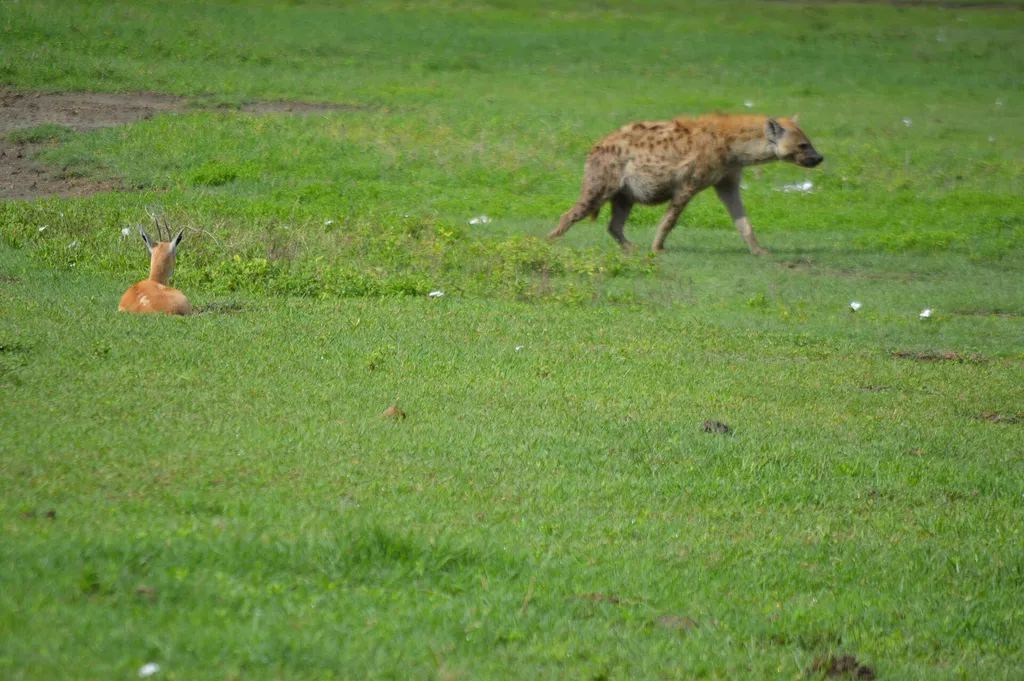
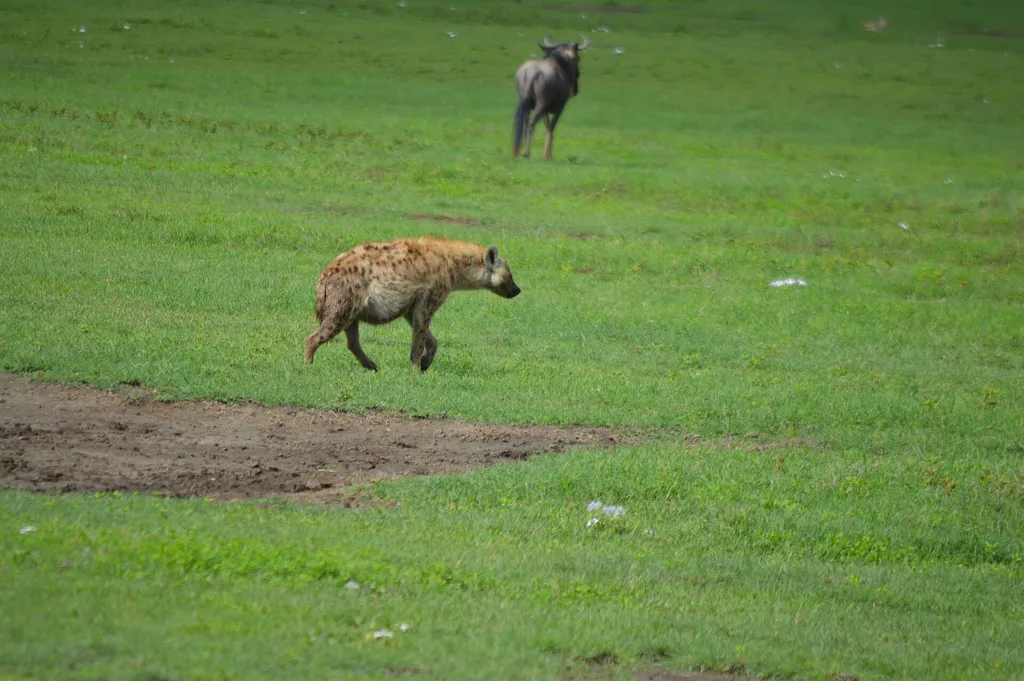
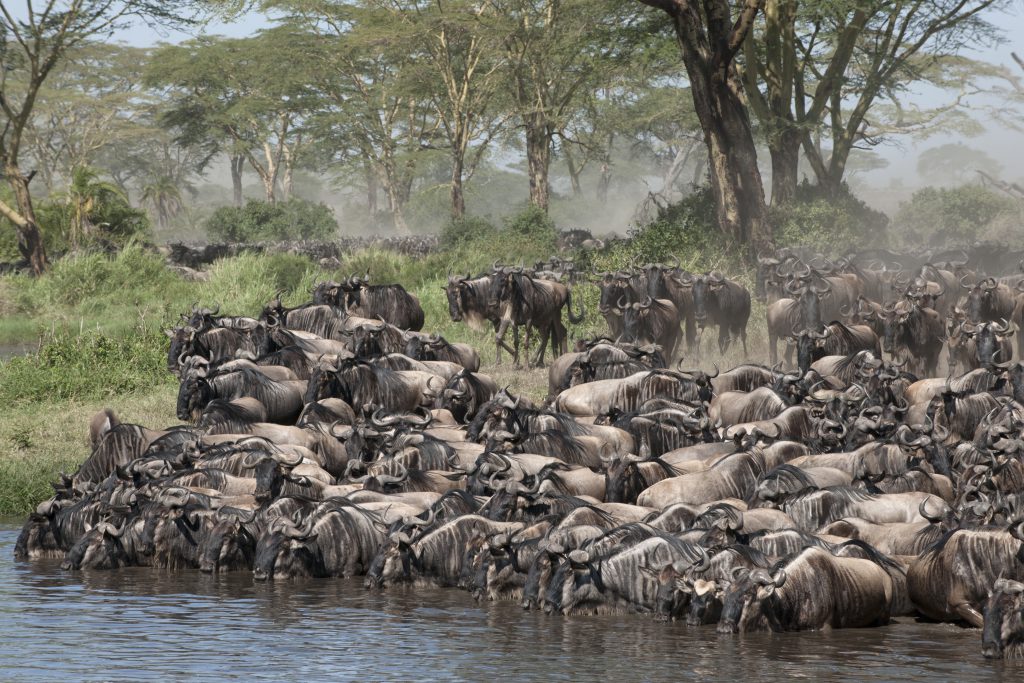
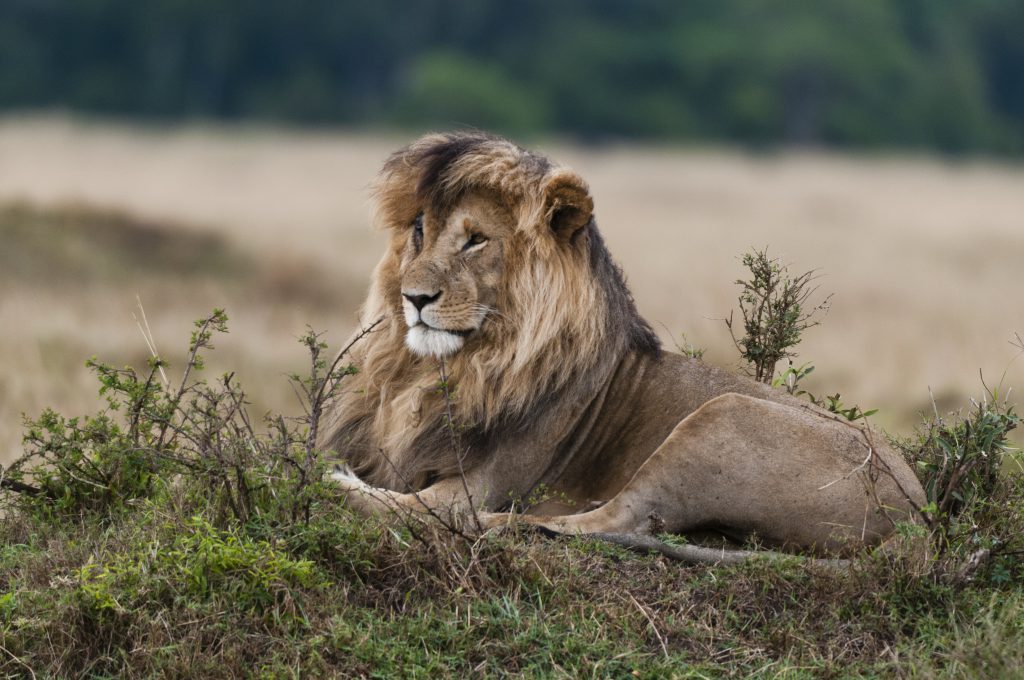
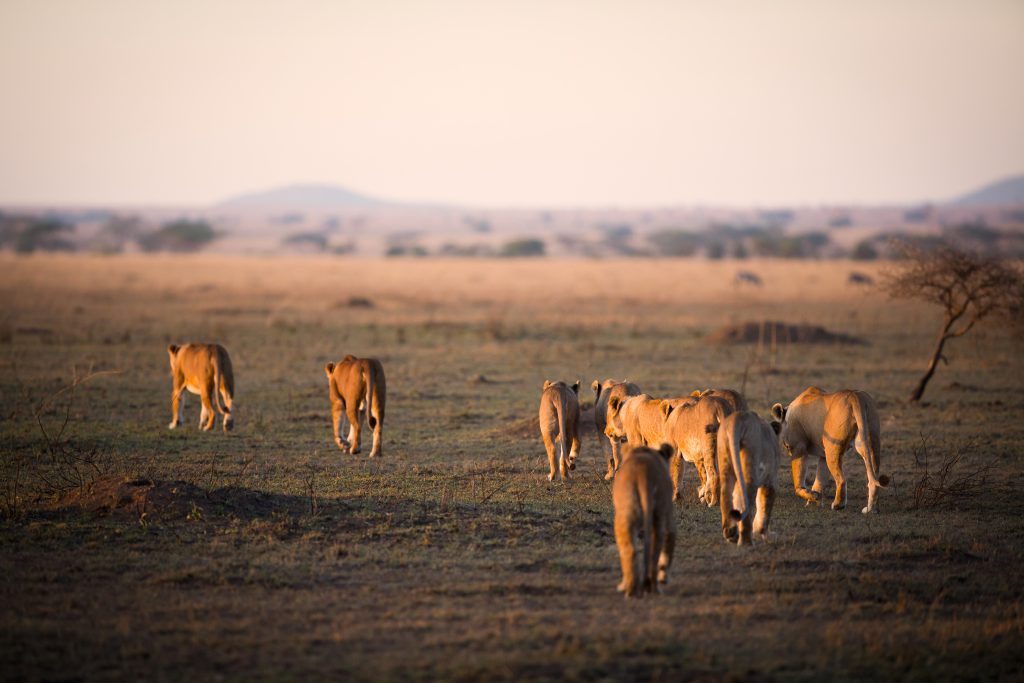
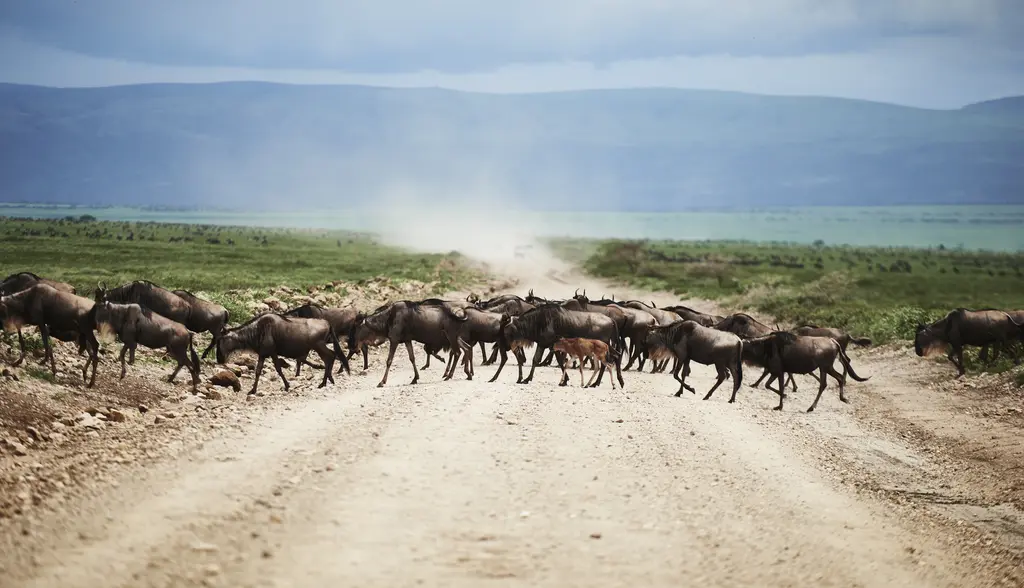
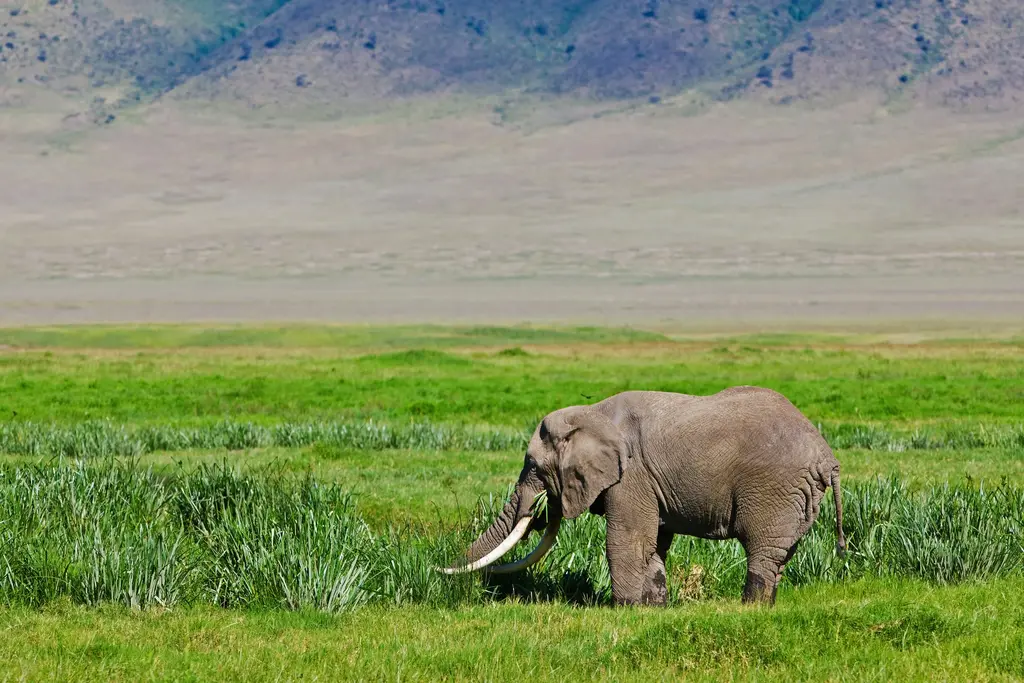
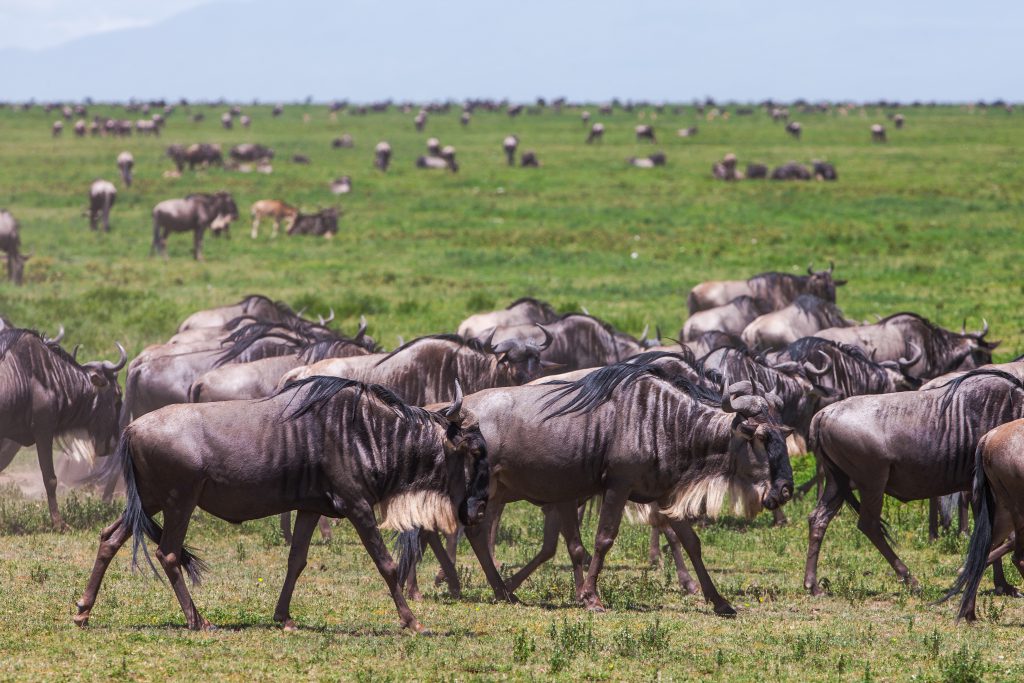
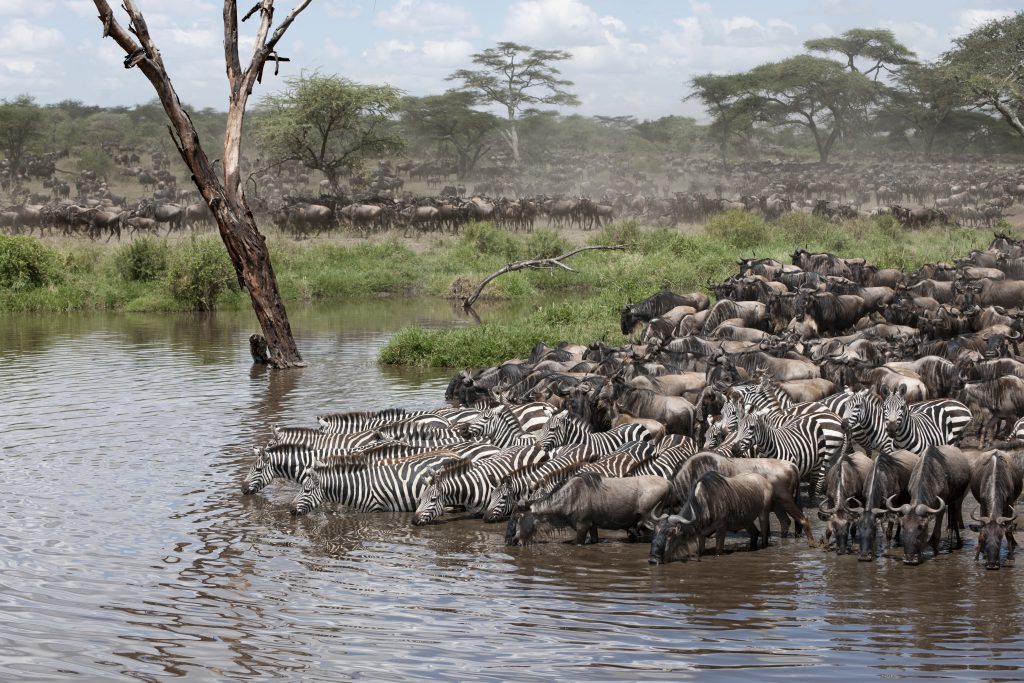
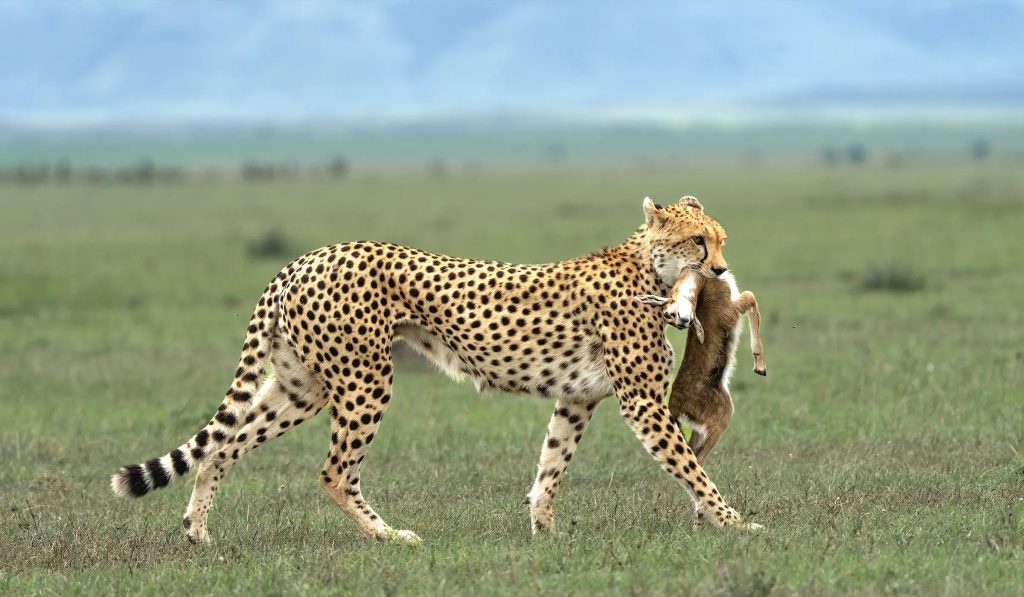
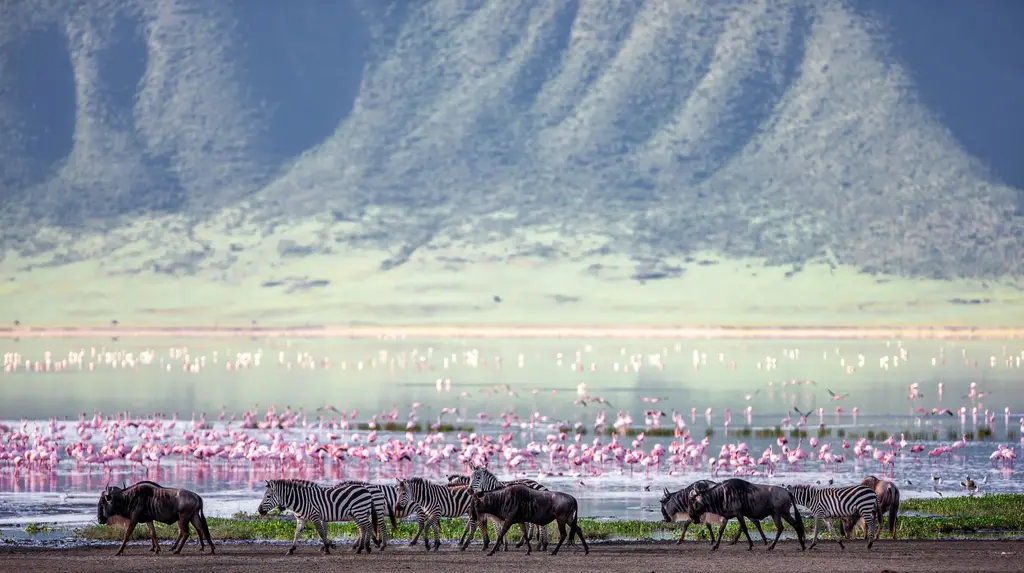
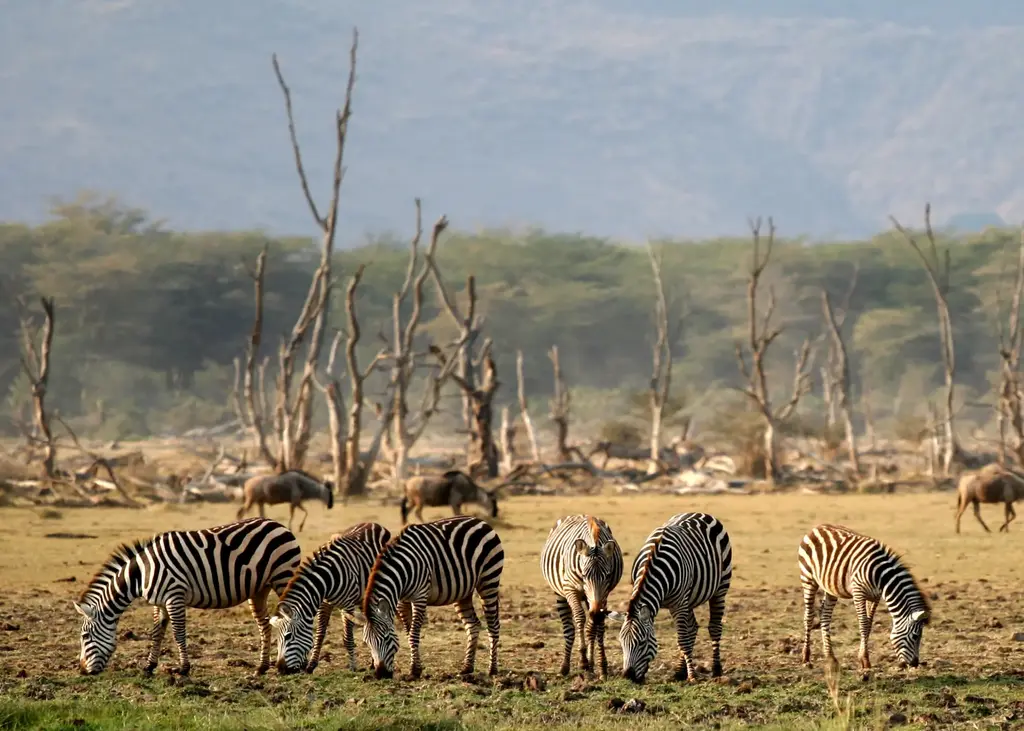
The crater is one of the best places in Tanzania to look for black rhino, although they are shy and usually seen at a distance. Lions and spotted hyenas are common, and you are likely to see buffalo, wildebeest, zebra, Grant's gazelle, warthog and hippos at the pools. Large bull elephants wander the swamps and the Lerai forest. Flamingos gather on the shallow soda lake when water levels suit them, and the birdlife around the marshes is rich all year.
When to go
The crater is good in every season because most animals live there year round. June to October is dry, with clear views and the most visitors. The green months from November to May bring fresher scenery and fewer vehicles, with the heaviest rain usually in April and May. Whatever the month, the rim sits at well over 2,000 m, so mornings and evenings are cold. Bring a warm layer. See our Tanzania weather guide for more on the seasons.
Getting there from Arusha
The drive from Arusha to the crater rim takes about three to four hours on a good tarmac road through farmland and the town of Karatu, with the option of stopping at Lake Manyara or Tarangire on the way. Descending to the crater floor takes around half an hour down a steep, winding track. We aim to be on the floor early, when the light is soft and the animals are most active.
How it fits your trip
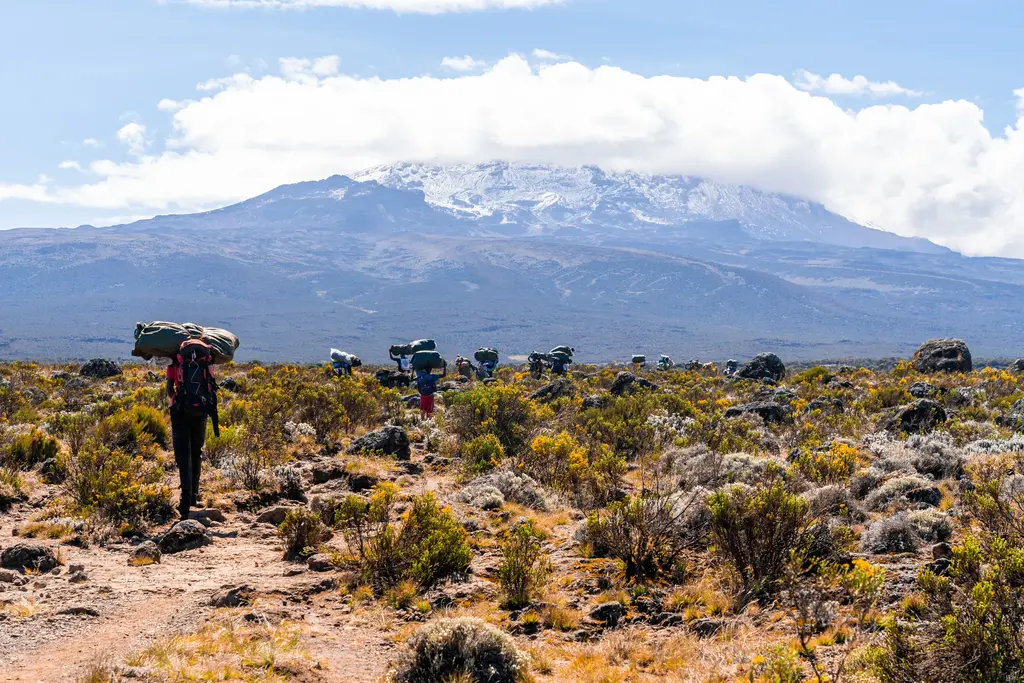
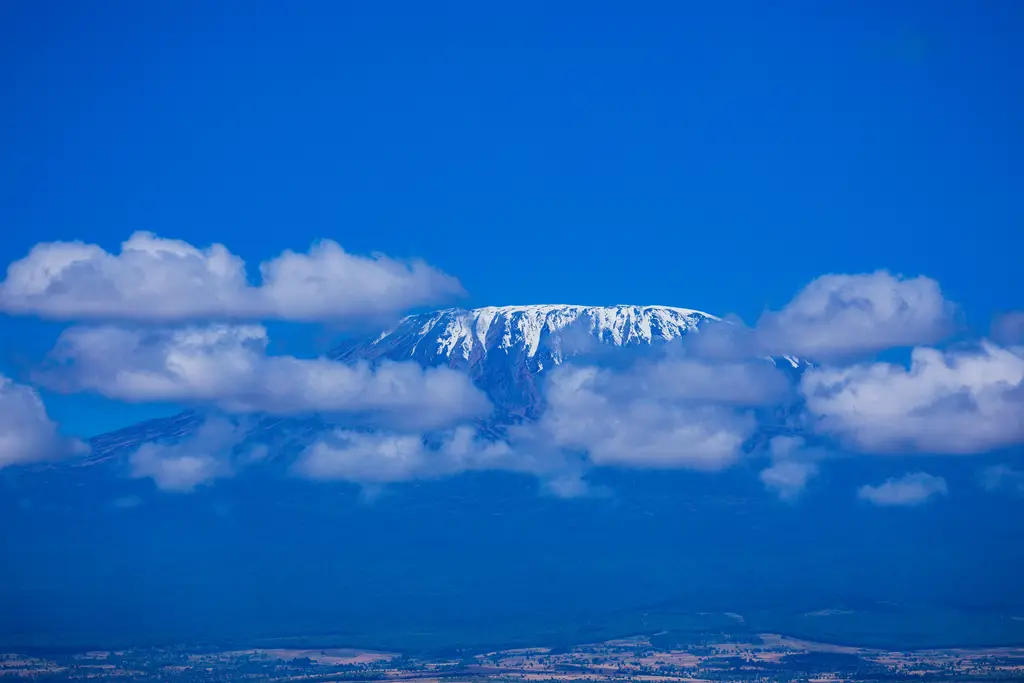
Ngorongoro sits naturally between Tarangire or Lake Manyara and the Serengeti, so it slots into almost every Northern Circuit route. Many travellers spend one full day in the crater, then continue west to the Serengeti or south to Ndutu in calving season. It also works well as a short safari after climbing Kilimanjaro, since it is close to Arusha and needs no flights. Have a look at our safari ideas to see how we build it in.
Where to stay
You have three broad choices. Lodges on the crater rim give you the view and the shortest drive down in the morning, but they cost more and the nights are chilly. Camps and lodges around Karatu, among coffee farms and forest about forty minutes away, are often better value and a little warmer. There is no accommodation on the crater floor itself, so every visit is a day trip from above.