A 5-day private safari combining Tarangire, the Ngorongoro Crater, and Lake Manyara with the remote Lake Natron region, including a midnight climb of Ol Doinyo Lengai and its flamingo-filled soda lake.
This 5-day private safari pairs Tanzania’s classic wildlife destinations with one of the country’s most adventurous corners – the remote Lake Natron region beneath the active volcano Ol Doinyo Lengai. You explore Tarangire, the Ngorongoro Crater, and Lake Manyara, and take on a midnight climb of Ol Doinyo Lengai for sunrise, travelling privately in a 4×4 safari Land Cruiser with a pop-up roof and a professional English-speaking driver-guide.
The safari opens among the elephant herds and baobabs of Tarangire before heading north to Lake Natron, a soda lake famous for its flamingos and its dramatic Rift Valley setting. Here you meet the local Maasai community and, guided by an experienced Maasai mountain guide, set out around midnight to reach the 2,860-metre summit of Ol Doinyo Lengai in time for a spectacular sunrise.
Back on the wildlife trail, a game drive on the floor of the Ngorongoro Crater brings the chance to see the Big Five, while Lake Manyara offers tree-climbing lions and abundant birdlife. Accommodation is in comfortable 3-star lodges on a full-board basis, making this a rewarding blend of safari and active adventure for private travellers.
Pickup from your Arusha hotel at 08:30 and drive to Tarangire National Park, known for its large elephant herds, ancient baobab trees, and wildlife gathering along the Tarangire River. Enjoy a day of game viewing before driving in the evening to Lake Manyara Heritage Lodge for dinner and overnight.
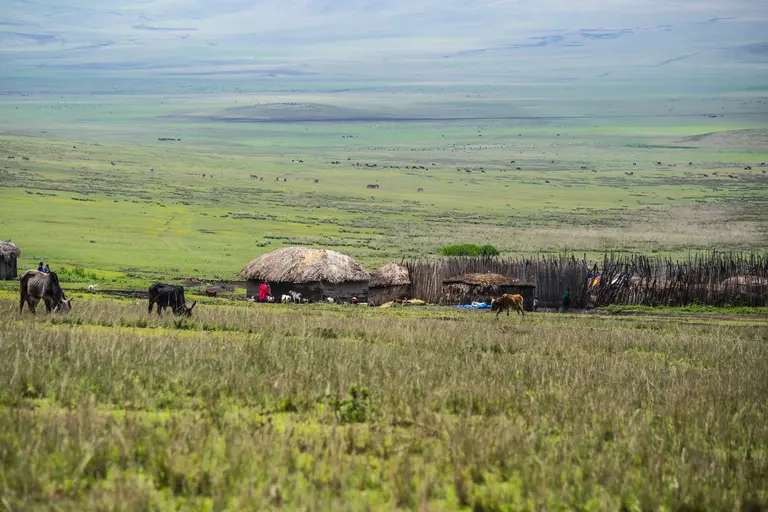
After breakfast, drive north to the remote Lake Natron region at the foot of the active volcano Ol Doinyo Lengai. On arrival, take in the dramatic Rift Valley scenery and meet the local Maasai community. Enjoy dinner and rest at Moivaro Natron Lodge before setting out around midnight, with an experienced Maasai mountain guide, to begin the climb of Ol Doinyo Lengai.
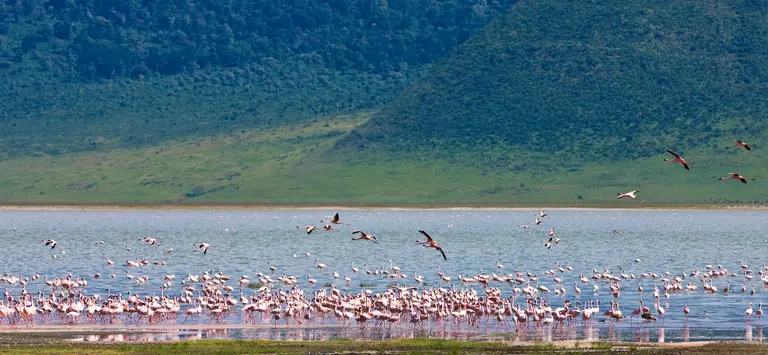
Reach the summit of Ol Doinyo Lengai, around 2,860 metres, in time for sunrise, then descend to the base for breakfast and a well-earned rest. Afterwards, visit Lake Natron to see its famous flamingos before driving back toward the Manyara area for dinner and overnight at Lake Manyara Heritage Lodge. Please note the Lengai climb is a strenuous midnight ascent.
After an early breakfast, drive to the Ngorongoro Crater and descend for a game drive in search of the Big Five, with a picnic lunch near the hippo pool. Later, ascend from the crater and return to Lake Manyara Heritage Lodge for dinner and overnight.
After breakfast, explore Lake Manyara National Park in the Great Rift Valley, known for its tree-climbing lions, elephants, hippos, and colourful birdlife, with a picnic lunch and an afternoon game drive. Afterwards, drive back to Arusha, where the safari ends.
Every day of this itinerary is tailor-made and can be shaped around your dates, pace and budget. When you are ready, our team handles every detail - you simply arrive and enjoy.
Yes – unless stated otherwise, our safaris are private departures for your party only, with your own driver-guide and 4×4 vehicle. You set the pace and can adjust game-drive times with your guide each day.
Your quote covers park and conservation fees, accommodation on the stated board basis, a professional English-speaking driver-guide, a private safari vehicle with a pop-up roof, game drives per the itinerary, and drinking water in the vehicle. International flights, visas, travel insurance, tips and personal expenses are excluded.
Tanzania is a year-round destination. June to October offers classic dry-season game viewing; the green season (November to May) brings lush scenery, newborn animals and fewer crowds. The Great Migration moves through the Serengeti all year – tell us your dates and we will advise where the herds are likely to be.
Absolutely. Every itinerary is a starting point – we tailor the parks, pace, lodges and length to your interests and budget. Just let us know what you have in mind and we will build it around you.
Once you are happy with the plan we confirm availability and send a booking form and invoice. A deposit secures your dates, with the balance due before travel. We confirm exact amounts and payment options when you enquire.
Most visitors need a tourist visa for Tanzania (available online or on arrival) and a yellow-fever certificate if arriving from a risk country. We recommend consulting a travel clinic about malaria prevention and routine vaccinations well before departure.
Tell us your dates and what matters most - our team designs every journey by hand and replies within 24 hours, seven days a week.
Tarangire National Park is a classic safari destination in northern Tanzania, famous for its wild, dramatic landscapes dominated by thousands of ancient baobab trees. The park’s eco-landscape centers around the perennial Tarangire River, which serves as the primary northern water source during the harsh dry season. The surrounding terrain is a beautiful mix of open acacia savannah, seasonal swamps, and deep river valleys that create a highly photogenic backdrop for big-game viewing.
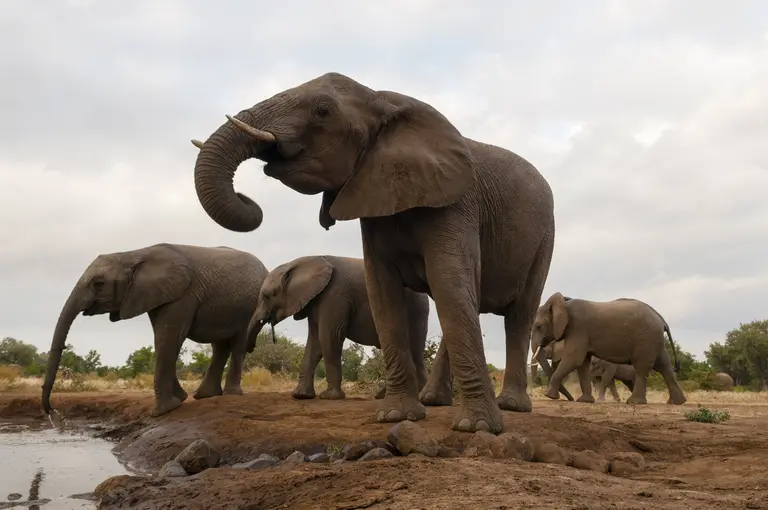
During the dry months from July to October, the park experiences a massive mini-migration as thousands of animals travel from the surrounding dry Maasai Steppe to gather along the riverbanks. Tarangire is world-renowned for hosting some of the largest elephant herds in Africa, with groups of up to 300 individuals frequently seen bathing and digging for water in the dry riverbeds. This high concentration of prey draws prominent predator populations, including tree-climbing lions, leopards, and large packs of spotted hyenas.
Safari activities focus on extensive game driving along the river loops, alongside options for guided bush walking tours and bird-watching excursions to spot over 500 native species. Logistics are straightforward, with the main park gate located roughly a comfortable two-hour drive on paved roads from Arusha town. Accommodations are diverse and upscale, featuring luxury eco-lodges perched on scenic ridges, elevated treehouse suites built directly into living baobabs, and classic mobile tented camps.
Lake Natron is an extreme, highly alkaline lake situated in northern Tanzania’s dramatic Arusha Region, right at the foot of Ol Doinyo Lengai, an active volcano. The eco-landscape is stark, arid, and majestic, featuring water temperatures that can reach up to 60°C and a unique chemical composition that dyes the shallows a deep, striking red. The surrounding valley is deeply volcanic, carved by ancient lava flows, stark salt flats, and freshwater gorges that contrast heavily with the harsh lake basin.
Despite the volatile water chemistry, the lake is the definitive global breeding sanctuary for millions of Lesser Flamingos, which rely on the caustic waters to keep mammalian predators at bay. The surrounding mudflats and acacia scrub harbor highly resilient wildlife species, including golden jackals, ostriches, fringed-ear oryx, and occasionally giraffes tracking freshwater inlets. The area’s biological significance is highly specialized, offering travelers a rare look at species adapted to one of the harshest environments on earth.
Activities focus heavily on adventurous trekking, including challenging midnight climbs up Ol Doinyo Lengai and scenic hikes to the refreshing Ngare Sero waterfalls. Logistics require a rugged four-wheel-drive journey over unpaved, dusty washboard roads coming from Mto wa Mbu or the northern Serengeti gates. Accommodations are intentionally low-impact and eco-focused, offering unique Bedu-style tented camps and rustic Maasai-led camping sites that emphasize remote wilderness living.
The Ngorongoro Crater is a breathtaking global wonder, standing as the world’s largest intact, unfilled volcanic caldera and a protected UNESCO World Heritage Site. The eco-landscape is a self-contained Eden, featuring a 600-meter-deep rock wall that encloses a diverse interior floor filled with open grasslands, acacia forests, swamps, and a central alkaline lake. This unique geographical bowl creates a highly concentrated ecosystem where over 25,000 large mammals live year-round within a compact, easily explorable space.
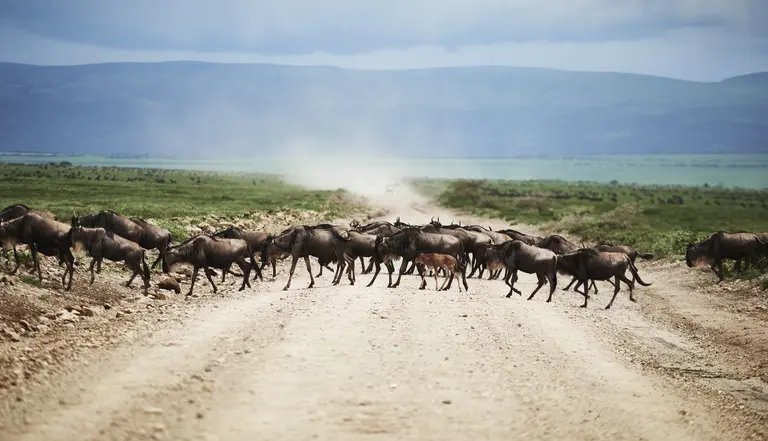
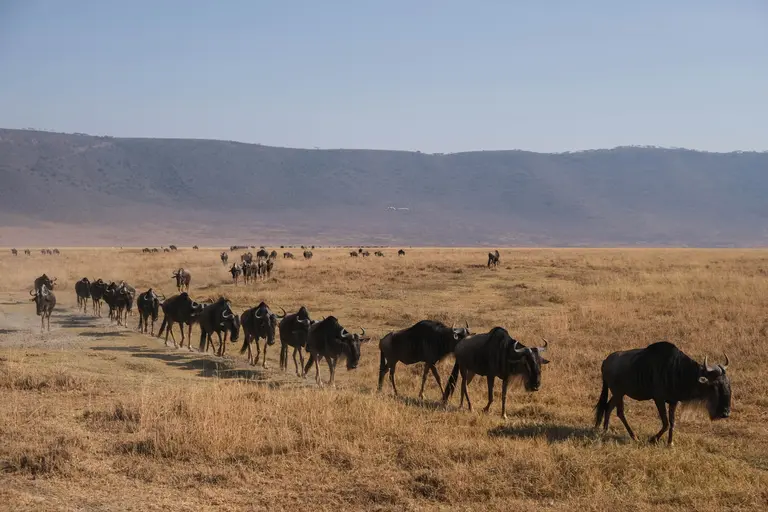
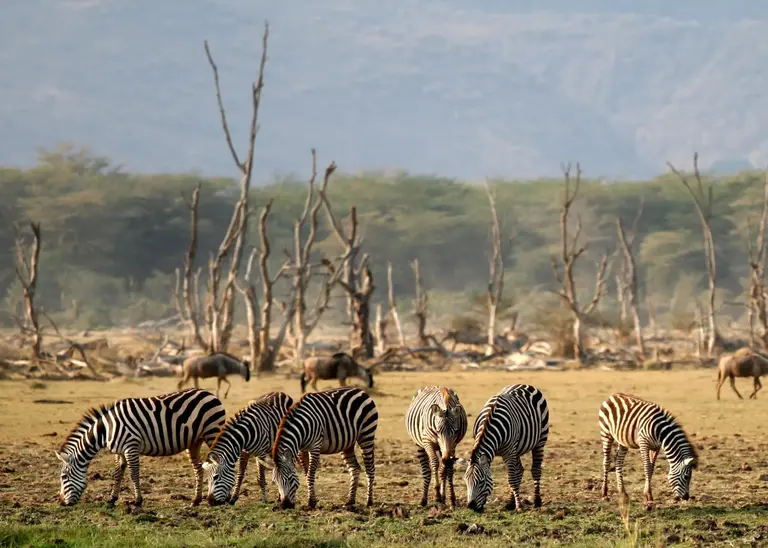
The crater floor offers one of the absolute best opportunities in Africa to view the endangered Black Rhino roaming in its natural habitat. The resident wildlife population is incredibly dense, featuring prominent prides of black-maned lions, massive bull elephants, spotted hyenas, and vast herds of wildebeest, zebras, and gazelles. Due to the rich grazing land and constant water supply, the animals have no need to migrate, resulting in world-class big-game viewings across all seasons.
Activities are strictly regulated, consisting of half-day or full-day game drive descents down the steep, single-track volcanic walls into the caldera floor. Logistics involve a scenic drive up through the cool, misty montane forest of the crater rim, which requires specialized 4×4 safari vehicles and official park permits. Accommodations are legendary, featuring ultra-luxury stone lodges built directly along the crater rim to offer panoramic, bird’s-eye views of the landscape below.
Lake Manyara National Park is a compact, highly scenic sanctuary tucked directly beneath the sheer 600-meter cliffs of the Great Rift Valley escarpment. The park’s eco-landscape is incredibly diverse for its size, transitioning rapidly from a lush, groundwater forest fed by underground springs into open acacia woodlands and marshy lake flats. The park is dominated by its expansive alkaline lake, which expands and contracts seasonally, covering up to two-thirds of the total park area during high water levels.
The park is legendary for its unique population of tree-climbing lions, which spend the heat of the afternoon resting high up in the branches of ancient mahogany and acacia trees. The groundwater forest is home to massive troops of olive baboons and elephants, while the open lake shores support thousands of seasonal pink flamingos and storks. Travelers can also expect reliable sightings of hippos at the northern pool, giraffes, zebras, and various plains game grazing along the grassy lake edges.
Activities inside Lake Manyara include day and night game drives, canoe safaris when water levels permit, and walking tours along an elevated forest canopy treetop walkway. Logistics are exceptionally convenient, as the park gate sits right off the main paved highway leading from Arusha to the Ngorongoro Crater, making it a perfect first-day safari stop. Lodging options are well-developed, featuring luxury clifftop lodges on the escarpment and intimate tented camps tucked into the surrounding acacia scrub.