A full-day trip to Materuni village on the foothills of Kilimanjaro near Moshi, combining a waterfall hike, a coffee-farm experience and Chagga culture.
Materuni village sits on the lower slopes of Mount Kilimanjaro, in the Uru area near Moshi, and this full-day trip brings together nature, coffee and Chagga culture. After a morning pick-up in Moshi and a short drive to the village, a local guide leads a walk of around 45 minutes through vegetation and coffee plantations to a tall waterfall, where there is the option to swim in the natural pool.
Back in the village you take part in a bean-to-cup coffee experience – including roasting and brewing – followed by a traditional Chagga lunch prepared by local women and a session of traditional music and dance. There is an optional extension to the Kikuletwa Hot Springs before the late-afternoon return to Moshi.
Morning pick-up in Moshi and a short drive to Materuni village for registration, then a guided walk of about 45 minutes through vegetation and coffee plantations to the waterfall, with an optional swim. Return to the village for a bean-to-cup coffee experience, a traditional Chagga lunch and a music-and-dance session, with an optional visit to the Kikuletwa Hot Springs before the afternoon return to Moshi.
Every day of this itinerary is tailor-made and can be shaped around your dates, pace and budget. When you are ready, our team handles every detail - you simply arrive and enjoy.
Yes. Cultural experiences and day trips work well before or after a safari.
Yes. The sample itinerary is planned as a private guided experience.
Yes. Timing, activity level, and stops can be tailored around your travel style.
Tell us your dates and what matters most - our team designs every journey by hand and replies within 24 hours, seven days a week.
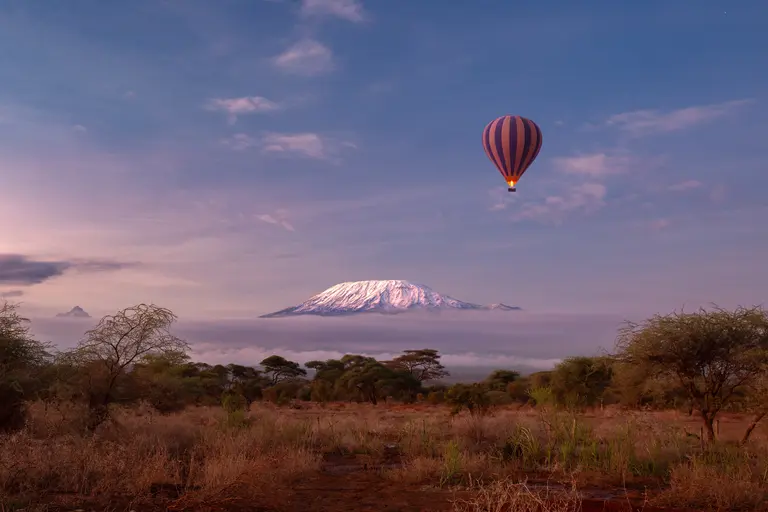
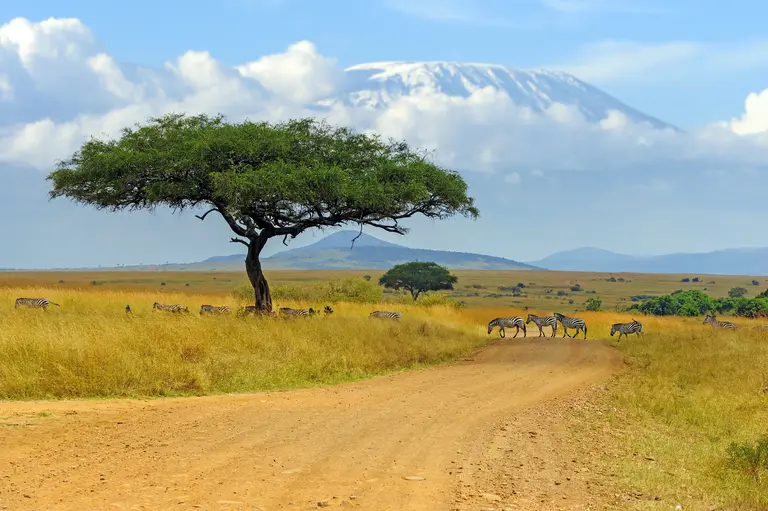
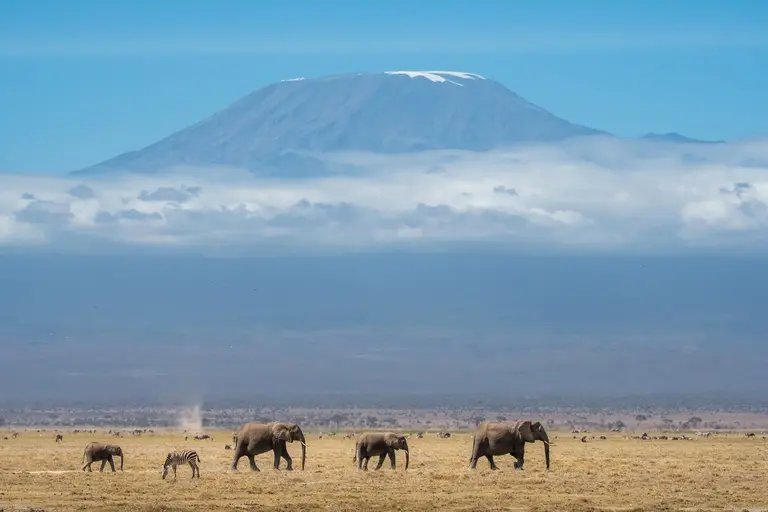
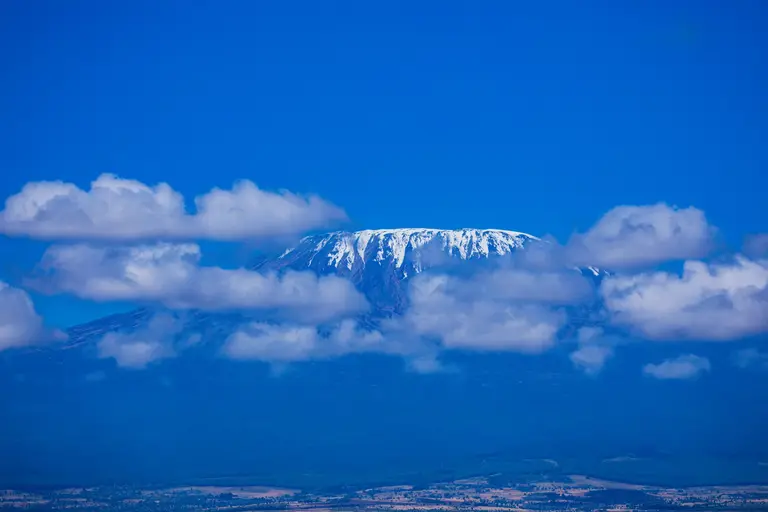
Mount Kilimanjaro is an iconic global landmark, standing as the highest mountain in Africa and the tallest free-standing mountain peak on earth. Its unique eco-landscape is a vertical journey through five distinct climate zones, starting in cultivated farmland and progressing upward through dense tropical rainforest, low alpine moorland, high alpine desert, and finally an arctic summit cap of permanent glacial ice. Climbers navigate this colossal volcanic massif via several designated routes, each offering a distinct perspective on the mountain’s topography.
The lower rainforest and heather zones host unique, specialized flora and fauna, including endemic Kilimanjaro impatiens flowers and colobus monkeys. As the altitude increases past 4,000 meters into the alpine desert, vegetation drops away completely to reveal massive, prehistoric giant groundsels and lobelias standing against the volcanic gravel fields. The ultimate goal is Uhuru Peak on the Kibo crater rim, where climbers stand alongside towering walls of ancient blue glacial ice to watch the sunrise over the African continent.
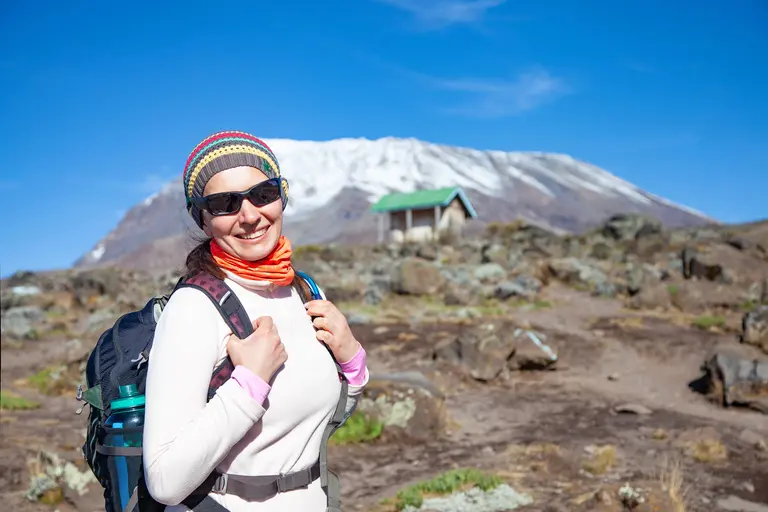
The core activity here is multi-day mountaineering trekking, with itineraries ranging from five to nine days depending on the selected route and required acclimatization time. Logistics require flying into Kilimanjaro International Airport (JRO) and basing out of the nearby gateway towns of Moshi or Arusha for gear checks and guide briefings. Accommodations on the mountain are strictly regulated, utilizing either public mountain huts on the Marangu route or mobile mountain tents pitched at designated wilderness campsites on all other trails.