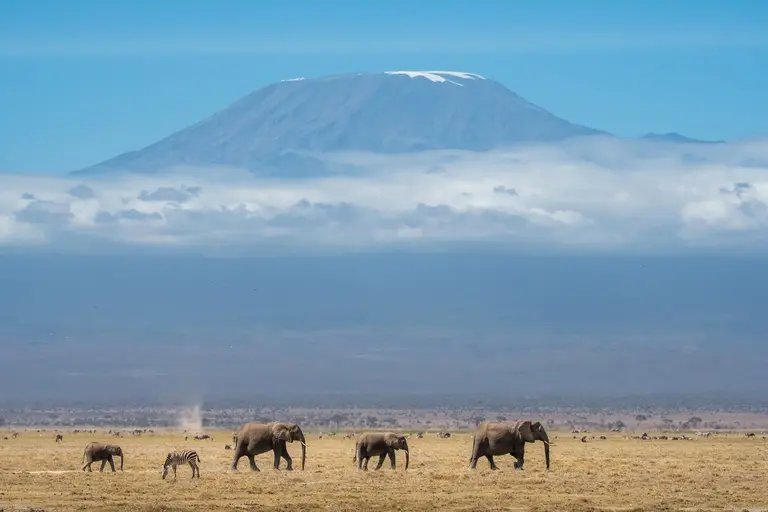
A 7-day cultural tour of Northern Tanzania focused on its communities - the Longido Maasai, the Hadzabe and Datoga of Lake Eyasi, and the Chagga at the foot of Kilimanjaro - a cultural immersion rather than a wildlife safari.
This 7-day cultural tour is a journey into the living traditions of Northern Tanzania, meeting the communities who call this land home rather than following a wildlife safari route. You spend time with the Maasai of Longido, the Hadzabe and Datoga peoples around Lake Eyasi, and the Chagga at the foot of Mount Kilimanjaro, travelling privately with a professional English-speaking guide and staying on a full-board basis throughout.
The tour begins in Arusha with its markets and coffee culture before heading to a traditional Maasai community at Longido, where you are welcomed with dance, visit family homes, and learn about a cattle-herding way of life. A gentle hike on Longido Mountain and a visit to a farming village offer a deeper sense of the landscape and its people.
At Lake Eyasi you share a respectful cultural experience with the Hadzabe community, one of the last traditional hunter-gatherer peoples in Africa, and the neighbouring Datoga, known for their blacksmithing and craft. The journey closes among the Chagga at the foothills of Kilimanjaro, with coffee farms, waterfalls, and a village with historic caves – a warm, human introduction to Tanzania beyond the game parks.
Arrive at Kilimanjaro or Arusha Airport, where you are met and transferred to Iwandaa Lodge in Arusha for a welcome briefing and an overnight on a bed-and-breakfast basis.
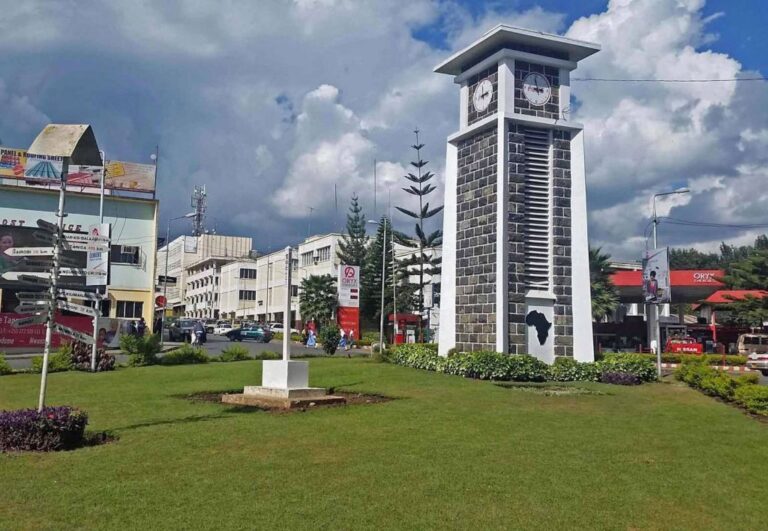
Spend a relaxed day discovering local life in Arusha, with a visit to a local market and a coffee plantation, and the option of a canoeing or cycling excursion to experience everyday Tanzanian life. Dinner and overnight at Iwandaa Lodge.
Travel to a traditional Maasai community at Longido, where you are welcomed with traditional dance, visit family homes, and learn about their cattle-herding way of life. Spend the night as a guest of the community.
Enjoy a short hike on Longido Mountain alongside Maasai herders, learning about the landscape and their traditions. In the afternoon, visit a farming village to learn about its history and local agriculture, before dinner and overnight at Jua Manyara Lodge.
Travel to Lake Eyasi to spend the morning with the Hadzabe community, one of the last traditional hunter-gatherer peoples in Africa, learning about their foraging and survival skills. In the afternoon, visit the Datoga community, known for their blacksmithing and craft. Overnight at Lake Eyasi Bush Camp.
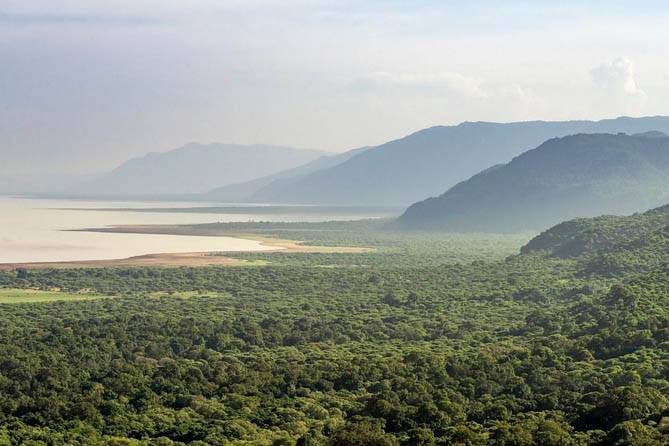
Explore Lake Eyasi with time for birdwatching and a local lunch, before returning to Arusha for dinner and overnight at Iwandaa Lodge.
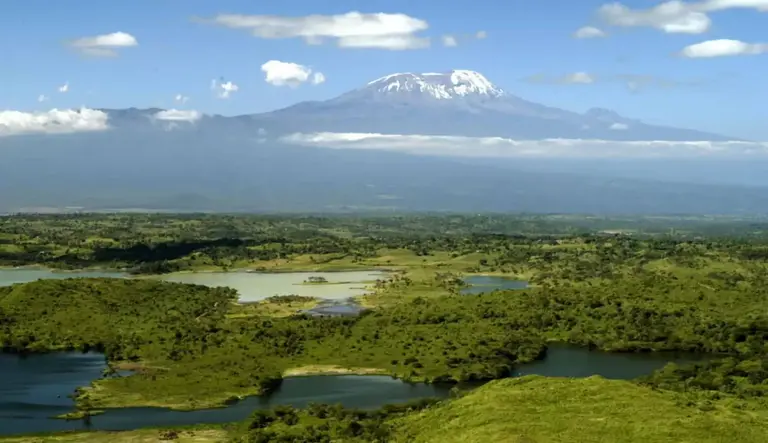
Drive to the foothills of Mount Kilimanjaro to spend the day among the Chagga community: visit coffee farms, waterfalls, and a banana plantation, and explore a Chagga village with its historic caves, with a local lunch. Return to Arusha for a final overnight at Iwandaa Lodge. This is a foothills cultural day, not a mountain climb.
Every day of this itinerary is tailor-made and can be shaped around your dates, pace and budget. When you are ready, our team handles every detail - you simply arrive and enjoy.
Yes – unless stated otherwise, our safaris are private departures for your party only, with your own driver-guide and 4×4 vehicle. You set the pace and can adjust game-drive times with your guide each day.
Your quote covers park and conservation fees, accommodation on the stated board basis, a professional English-speaking driver-guide, a private safari vehicle with a pop-up roof, game drives per the itinerary, and drinking water in the vehicle. International flights, visas, travel insurance, tips and personal expenses are excluded.
Tanzania is a year-round destination. June to October offers classic dry-season game viewing; the green season (November to May) brings lush scenery, newborn animals and fewer crowds. The Great Migration moves through the Serengeti all year – tell us your dates and we will advise where the herds are likely to be.
Absolutely. Every itinerary is a starting point – we tailor the parks, pace, lodges and length to your interests and budget. Just let us know what you have in mind and we will build it around you.
Once you are happy with the plan we confirm availability and send a booking form and invoice. A deposit secures your dates, with the balance due before travel. We confirm exact amounts and payment options when you enquire.
Most visitors need a tourist visa for Tanzania (available online or on arrival) and a yellow-fever certificate if arriving from a risk country. We recommend consulting a travel clinic about malaria prevention and routine vaccinations well before departure.
Tell us your dates and what matters most - our team designs every journey by hand and replies within 24 hours, seven days a week.
Arusha is the base camp for the northern safari circuit. It sits at around 1,400 metres on the southern slopes of Mount Meru, which gives it a mild, green climate, and almost every Tanzanian safari, Kilimanjaro climb and Zanzibar add-on begins or ends with a night here.
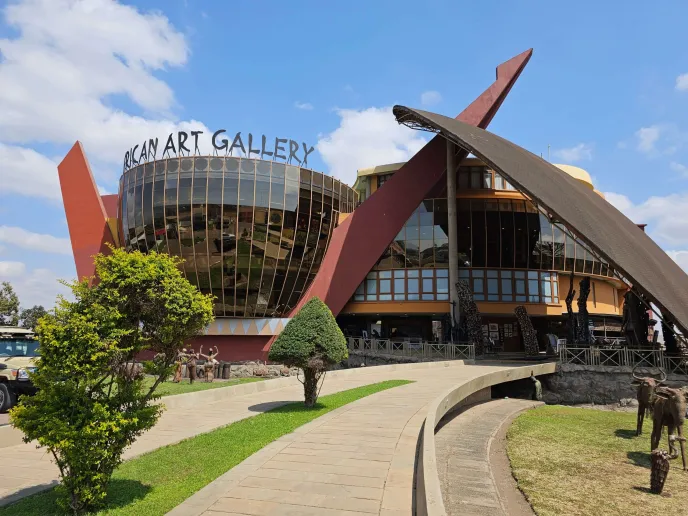
It is a working city rather than a resort. The Clock Tower roundabout at its centre is traditionally held to mark the midpoint between Cairo and Cape Town, and the Cultural Heritage Centre on the western edge of town houses one of East Africa’s largest collections of African art and Tanzanite. Most arrivals land at Kilimanjaro International Airport, roughly an hour east, and transfer straight here.
Arusha National Park is a compact, multifaceted gem of varied ecosystems situated just a short drive from Arusha town, making it an ideal destination for day trips. The eco-landscape is incredibly diverse for its small size, featuring the lush montane forest of Mount Meru, the dramatic cliffs of the Ngurdoto Crater, and the serene Momella Lakes. The park provides spectacular, close-up views of Mount Meru’s ash cone, offering a cooler, forested mountain sanctuary right on the doorstep of the city.
While the park lacks massive lion and rhino populations, it offers highly specialized wildlife sightings, including Tanzania’s highest concentration of giraffes. The montane canopy is the definitive place to observe the acrobatic black-and-white colobus monkeys and elegant blue monkeys swinging through the vines. The Momella Lakes host thousands of seasonal pink flamingos, while the marshy crater floors shelter herds of buffalo, warthogs, and waterbucks.
Activities are exceptionally active, with options for guided walking safaris, canoeing excursions on the Momella Lakes, and multi-day mountaineering climbs up Mount Meru. Logistics are the easiest in northern Tanzania, requiring less than an hour’s drive from Arusha city center or Kilimanjaro International Airport. Lodging inside the park focuses on historic colonial-style safaris, mountain climbing huts, and peaceful eco-lodges tucked into the lower forest canopy.
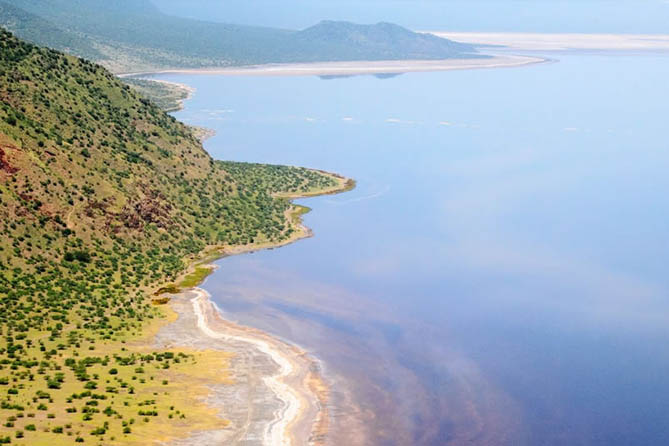
Lake Eyasi is a shallow, endorheic salt lake situated south of the Serengeti National Park and southwest of the Ngorongoro Crater along the Great Rift Valley. The destination’s ecological landscape is defined by vast, stark salt crust beds, seasonal water level fluctuations, and a shoreline framed by dramatic doum palm trees and acacia woodlands. It functions primarily as a quiet, off-the-beaten-path cultural destination where travelers break away from traditional vehicle-bound safaris to explore a rugged, ancient valley.
The area is world-renowned for its unique human element rather than dense big-game concentrations, serving as the home of the indigenous Hadzabe hunter-gatherers and the Datoga pastoralists and blacksmiths. Wildlife sightings are highly centered around avifauna, as the alkaline waters attract enormous seasonal flocks of flamingos, pelicans, weavers, and numerous species of migratory waterfowl. During the dry season, the lake recedes significantly, revealing an otherworldly desert terrain that local wildlife treads carefully to access hidden freshwater springs.
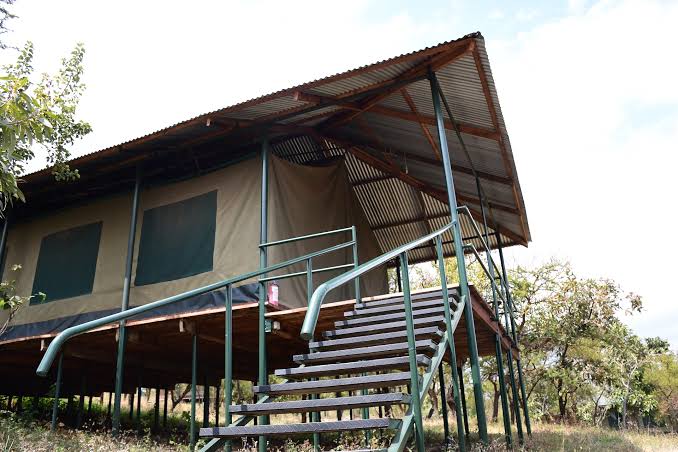
Logistics at Lake Eyasi center heavily around immersive, community-led cultural excursions, including tracking foraging trips with Hadzabe hunters and visiting Datoga metal-working homesteads. The destination is easily integrated into a northern safari loop, typically accessed via a driving trail from the town of Karatu. Lodging options range from rustic luxury tented properties hidden in the palm groves to basic campsites designed for travelers seeking a raw cultural phase on their Tanzanian tour.
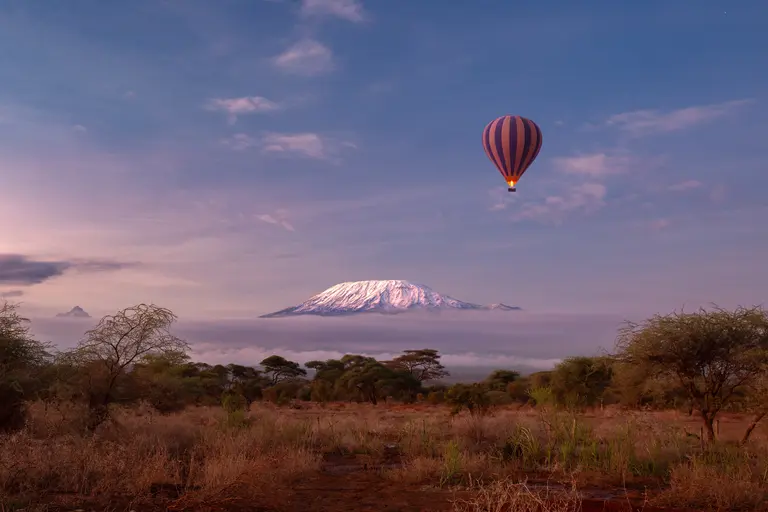
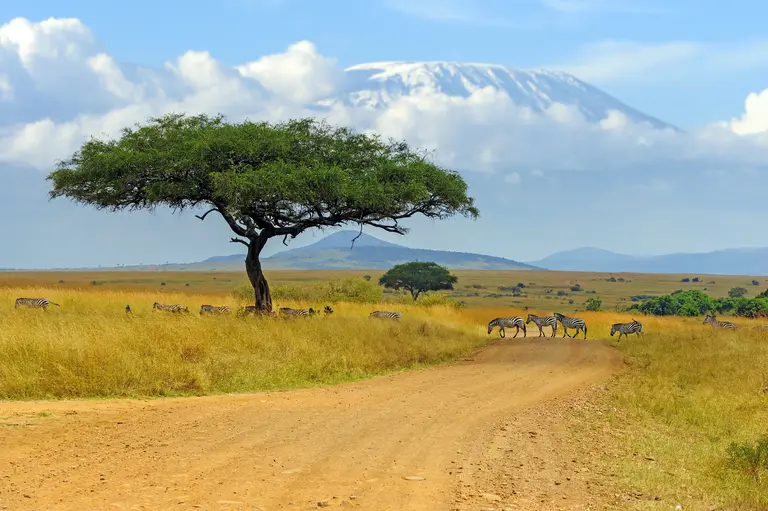
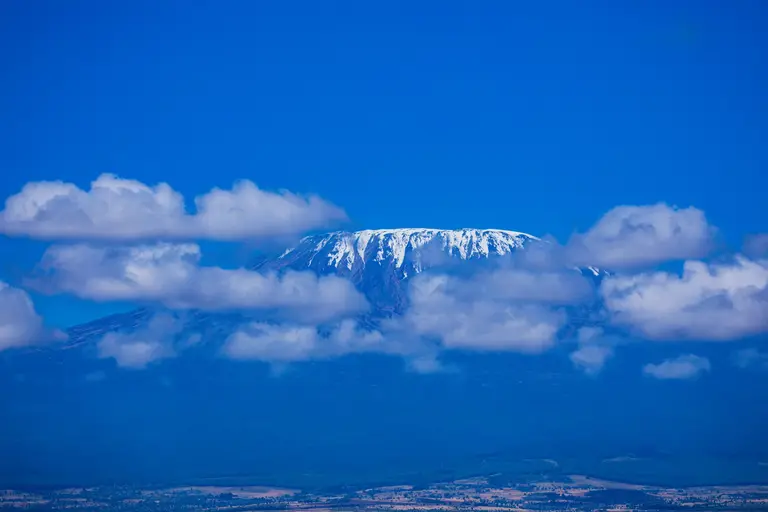
Mount Kilimanjaro is an iconic global landmark, standing as the highest mountain in Africa and the tallest free-standing mountain peak on earth. Its unique eco-landscape is a vertical journey through five distinct climate zones, starting in cultivated farmland and progressing upward through dense tropical rainforest, low alpine moorland, high alpine desert, and finally an arctic summit cap of permanent glacial ice. Climbers navigate this colossal volcanic massif via several designated routes, each offering a distinct perspective on the mountain’s topography.
The lower rainforest and heather zones host unique, specialized flora and fauna, including endemic Kilimanjaro impatiens flowers and colobus monkeys. As the altitude increases past 4,000 meters into the alpine desert, vegetation drops away completely to reveal massive, prehistoric giant groundsels and lobelias standing against the volcanic gravel fields. The ultimate goal is Uhuru Peak on the Kibo crater rim, where climbers stand alongside towering walls of ancient blue glacial ice to watch the sunrise over the African continent.
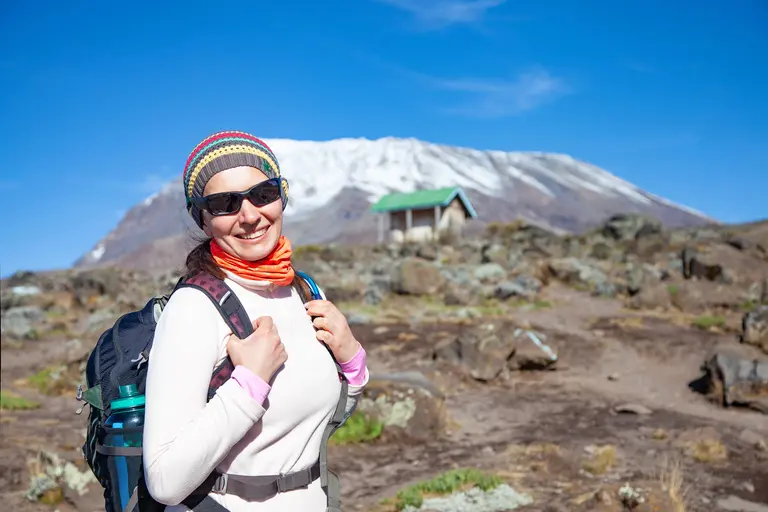
The core activity here is multi-day mountaineering trekking, with itineraries ranging from five to nine days depending on the selected route and required acclimatization time. Logistics require flying into Kilimanjaro International Airport (JRO) and basing out of the nearby gateway towns of Moshi or Arusha for gear checks and guide briefings. Accommodations on the mountain are strictly regulated, utilizing either public mountain huts on the Marangu route or mobile mountain tents pitched at designated wilderness campsites on all other trails.