About Usambara Mountains
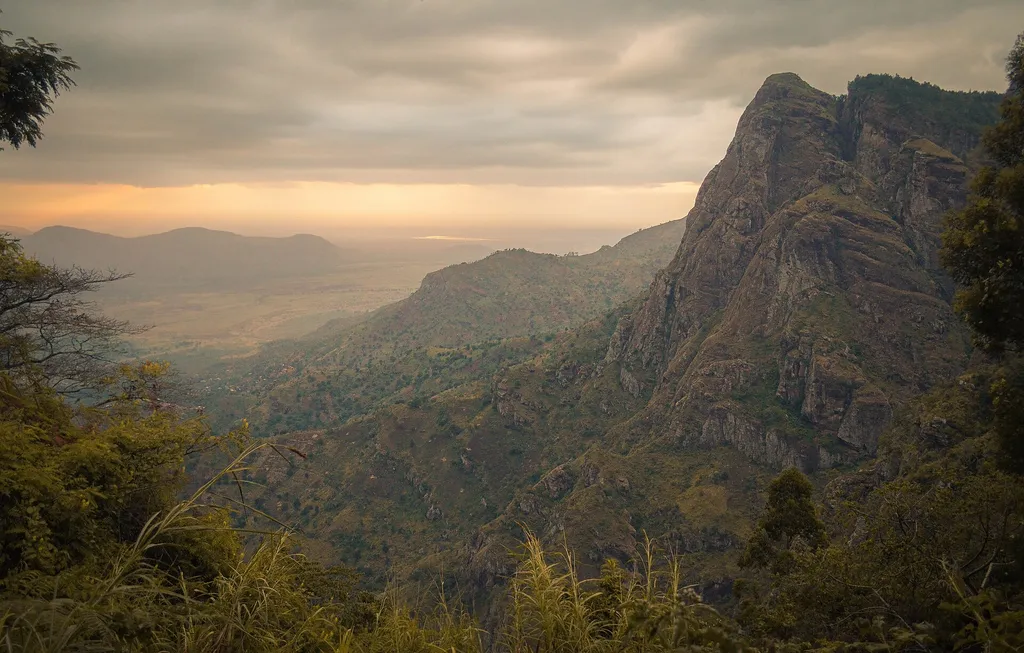
The Usambara Mountains rise sharply from the plains of north-east Tanzania, a long range of terraced farms, forest and cool, clean air. They belong to the Eastern Arc, an ancient chain of mountains famous among scientists for plants and animals found nowhere else. People come here to walk: between villages, along ridges and down forest trails, usually in the company of a local guide. It suits travellers who enjoy slow travel and want to see rural Tanzanian life up close, and it lies within a day's drive of Moshi and Arusha.
What you will see
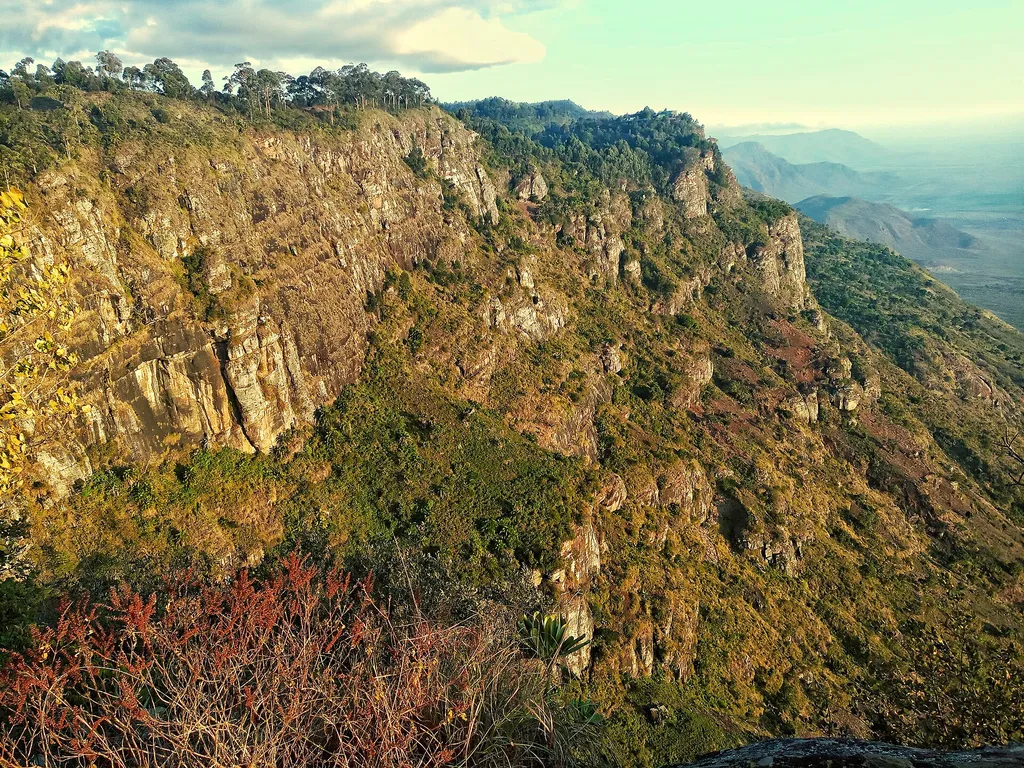
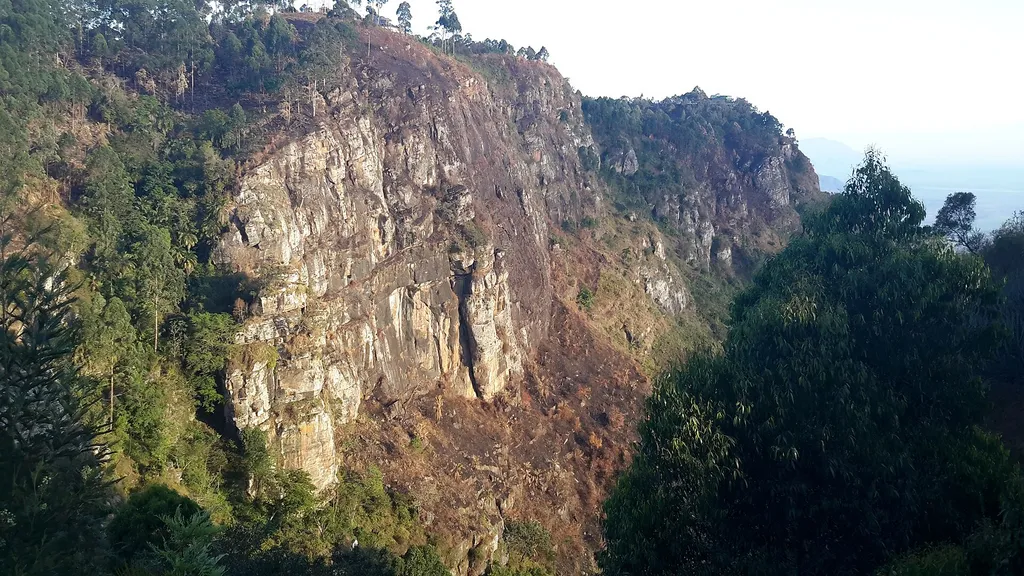
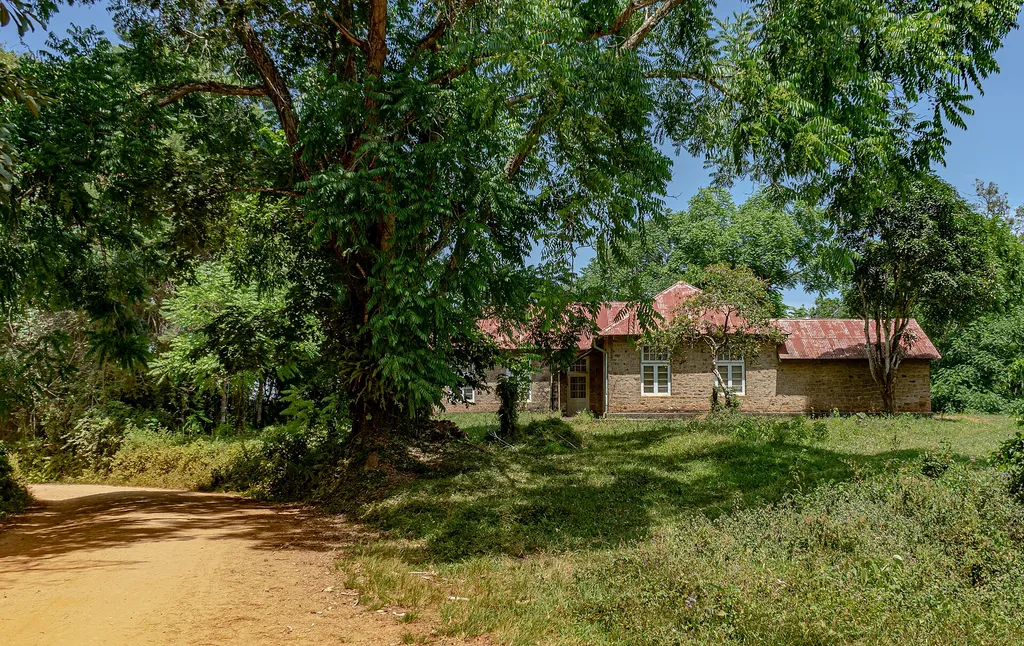
The range is about 90 kilometres long, and its highest point, Chambolo, reaches 2,289 metres. The western side centres on Lushoto, a market town the Germans once called Wilhelmstal, ringed by fields, villages and patches of old forest. From the Irente viewpoint near town, a cliff edge drops away and you look straight down onto the Maasai Steppe. The eastern side is wetter and wilder, around Amani Nature Reserve and its botanical garden, where a research station was founded in 1902.
- Birds: specialities include the Usambara eagle-owl, Usambara akalat, Usambara weaver and Amani sunbird
- African violets: the wild Saintpaulia was first described from seed collected here in 1882
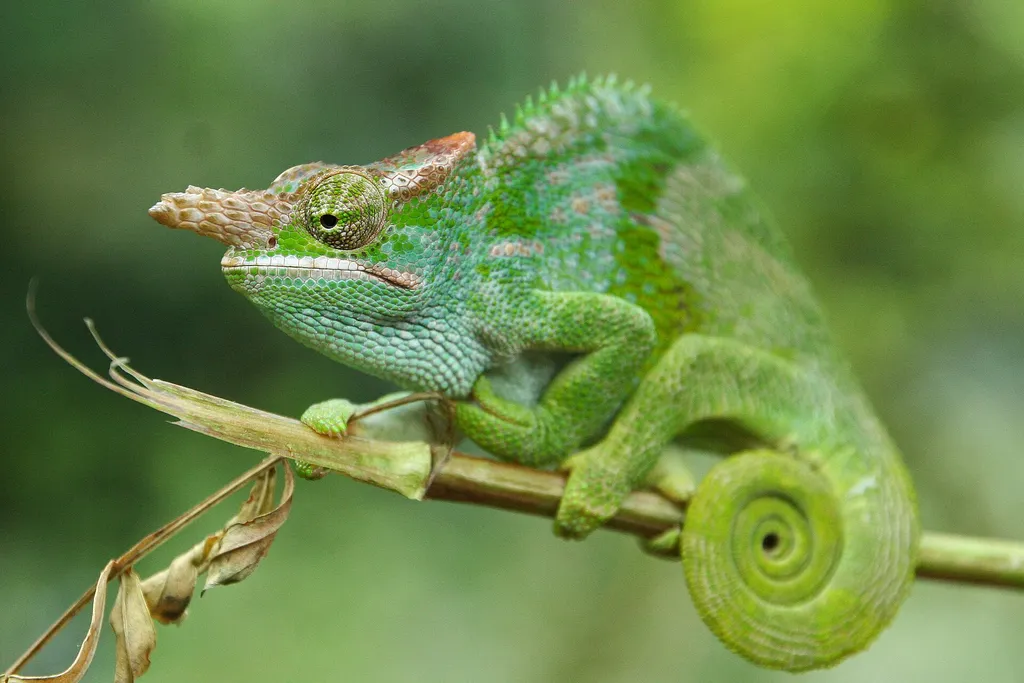
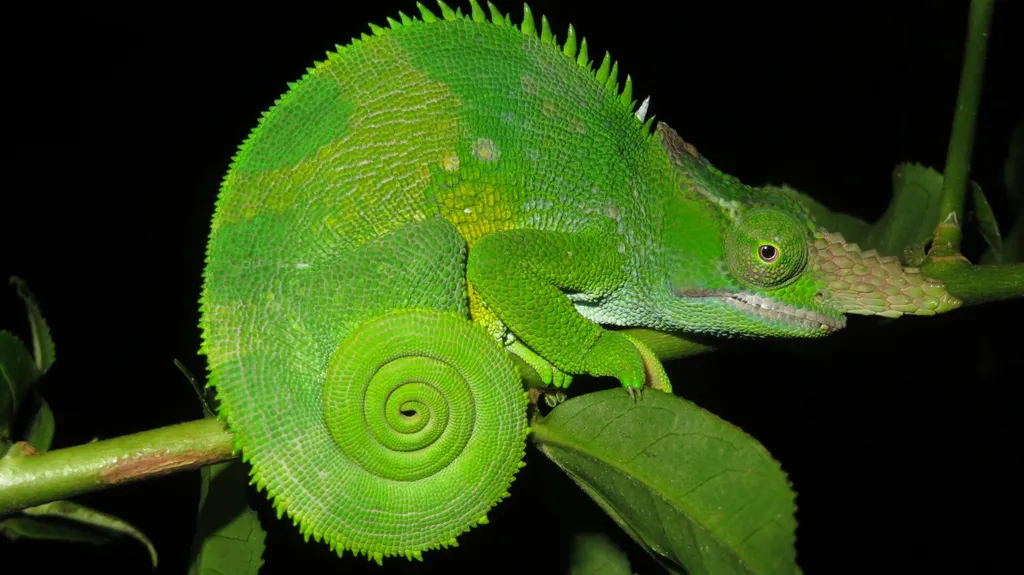
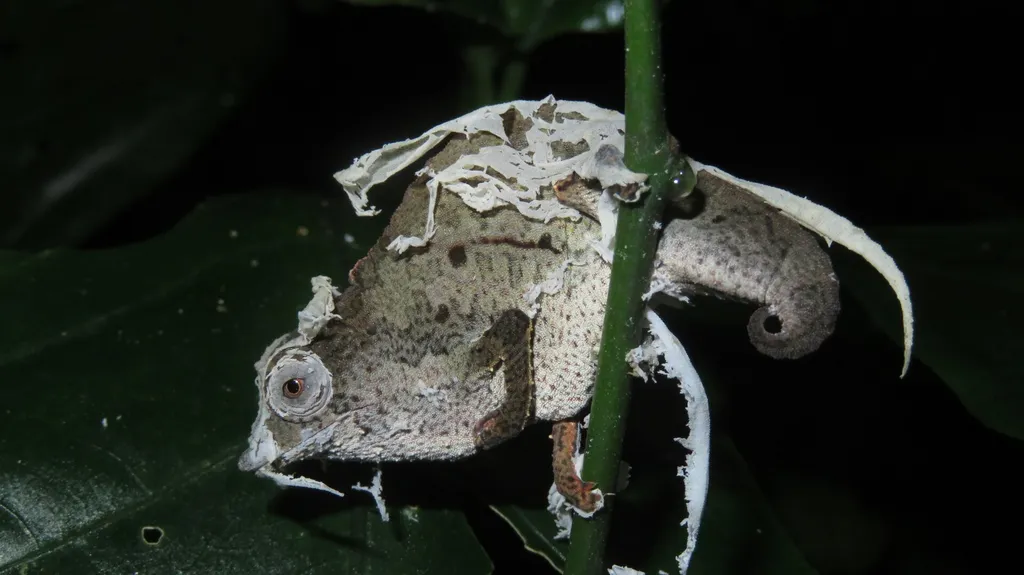
- Chameleons: horned species, often found on guided night walks
Walking in the Usambaras
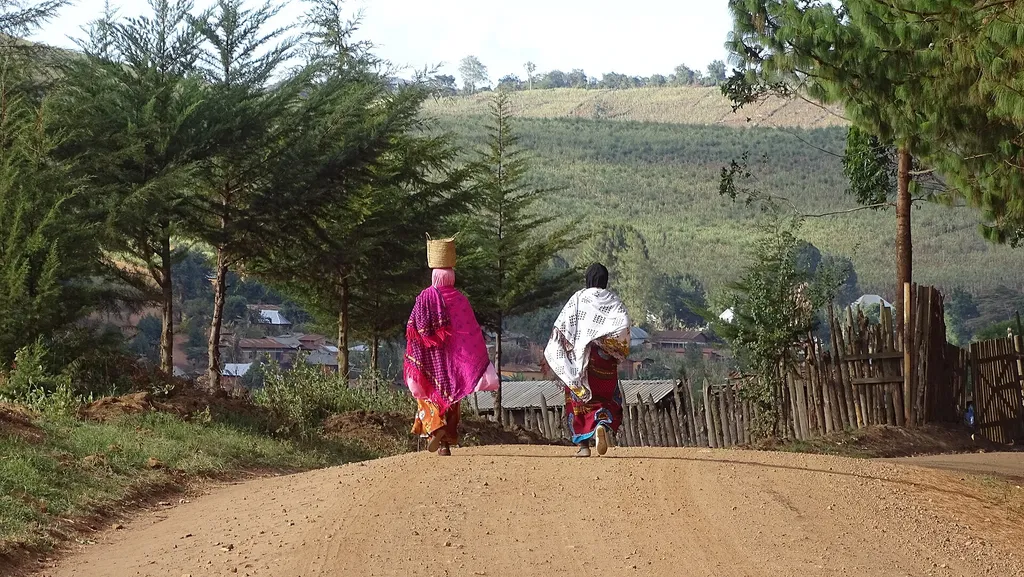
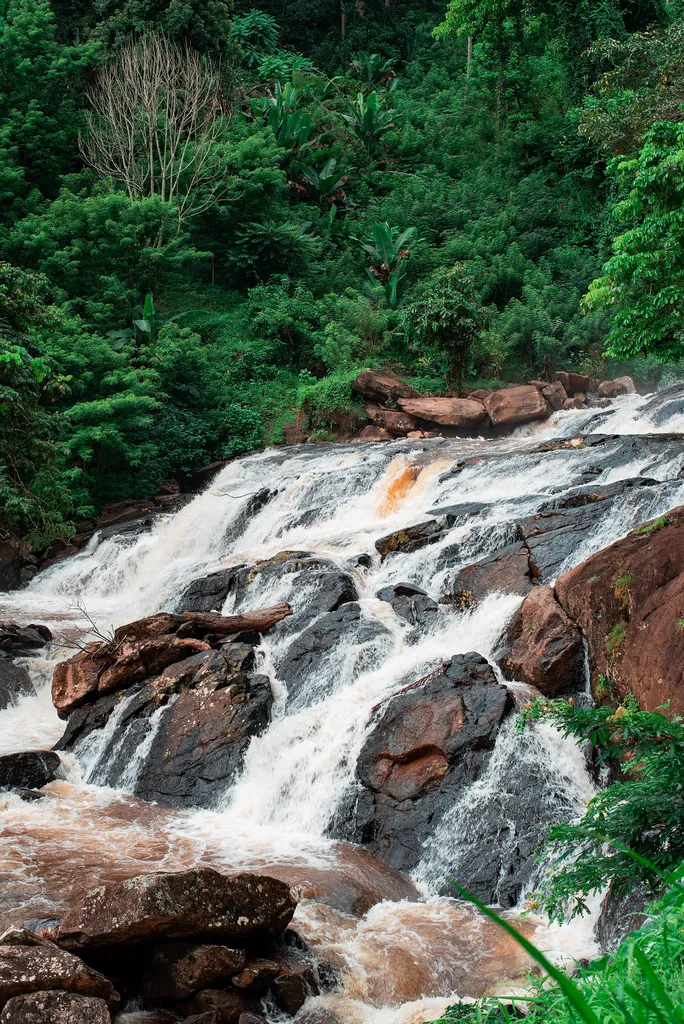
Walks range from a half-day loop out of Lushoto to multi-day treks between Lushoto and Mtae. Local guides lead most routes, and the paths pass through villages, markets and smallholdings, so you meet people as much as landscapes. Around Amani, forest trails lead to waterfalls and good birding. Distances are modest, but some paths are steep, so decent walking shoes make a real difference.
When to go
June to October and December to February suit walking most. From March to May the trails turn muddy and some become hard going. It stays cool all year, so pack a warm layer for evenings. See our Tanzania weather guide for more.
Getting there
Lushoto is roughly five and a half to six hours by road from Arusha, and about six hours from Dar es Salaam. Amani is reached on a slow 25-kilometre road from Muheza, on the eastern side of the range.
How it fits your trip
The Usambaras make a natural bridge between the north and the coast. After a Kilimanjaro climb or a northern safari, you can leave Moshi on the Dar es Salaam highway, spend a few nights walking in the hills, then carry on towards Tanga and the Indian Ocean. Mkomazi National Park lies along the same route, so a stop for rhino and wild dogs fits in easily. For climbers, the gentle walking keeps the legs moving without another summit to worry about.
Where to stay
Accommodation in the hills is mostly small and locally run, from simple guesthouses to lodges with long valley views. Evenings are quiet and cool, often with a fire. Send us your dates and we will suggest a route that matches your pace.