About Pemba Island
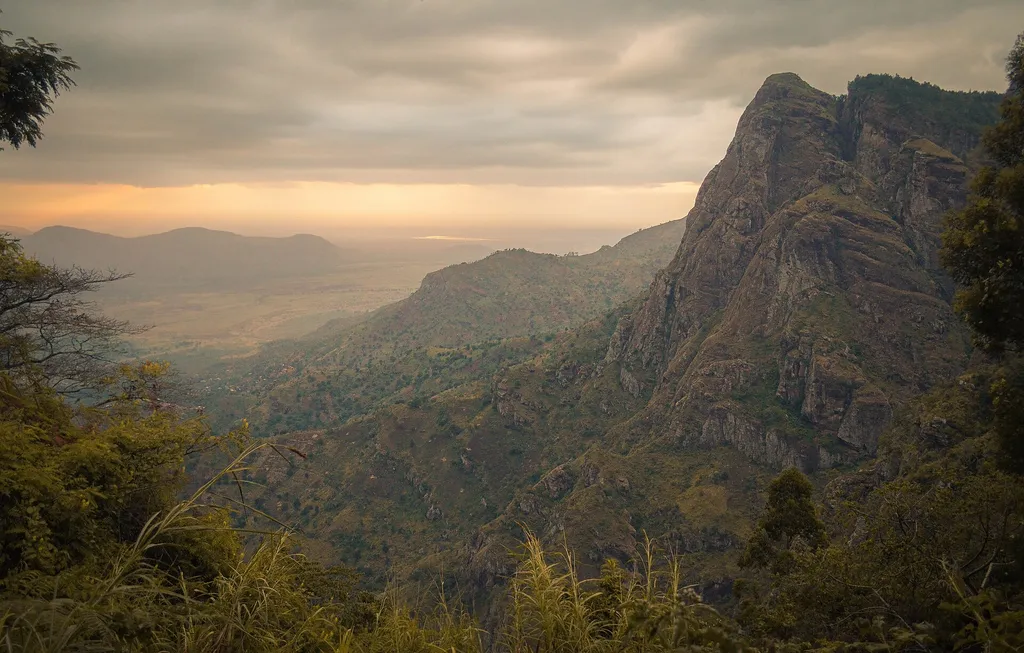
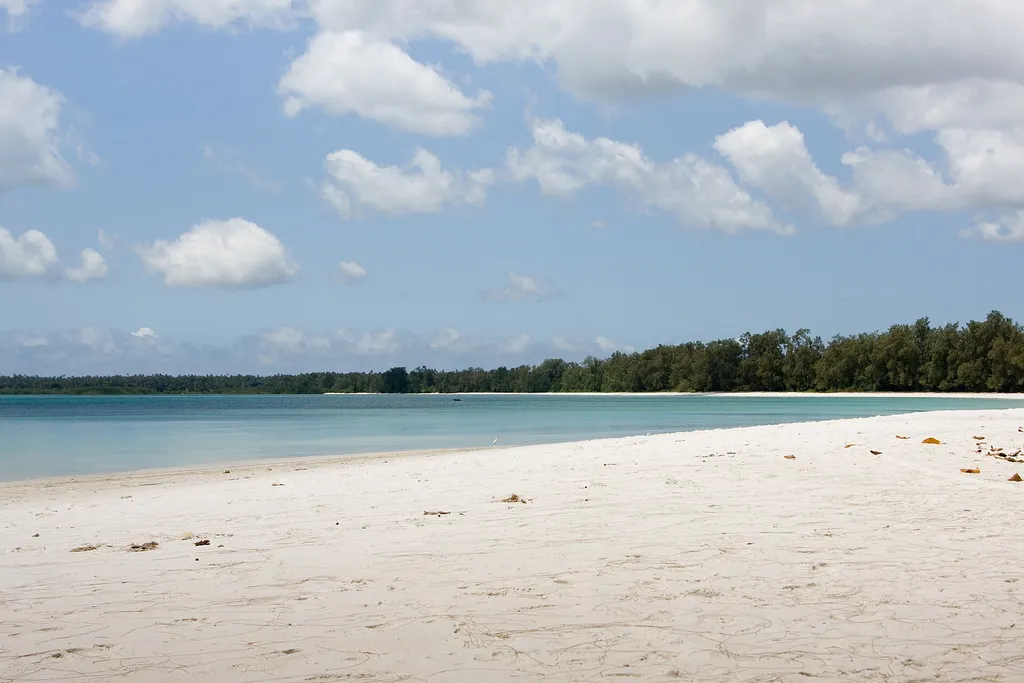
Pemba is Zanzibar's quieter sister island, lying to the north of Unguja across the deep Pemba Channel. It is greener and hillier, covered in clove trees, rice paddies and small farming villages, and it sees only a fraction of the visitors. People come here for two reasons: some of the most highly regarded diving on the East African coast, and the feeling of having a stretch of island almost to themselves.
What to do
- Diving: the Pemba Channel drops steeply close to shore, giving wall dives, healthy hard and soft corals, and a good chance of turtles, reef sharks and large shoals. Currents can be strong, so many sites suit divers with some experience. Beginners can still learn in sheltered spots.
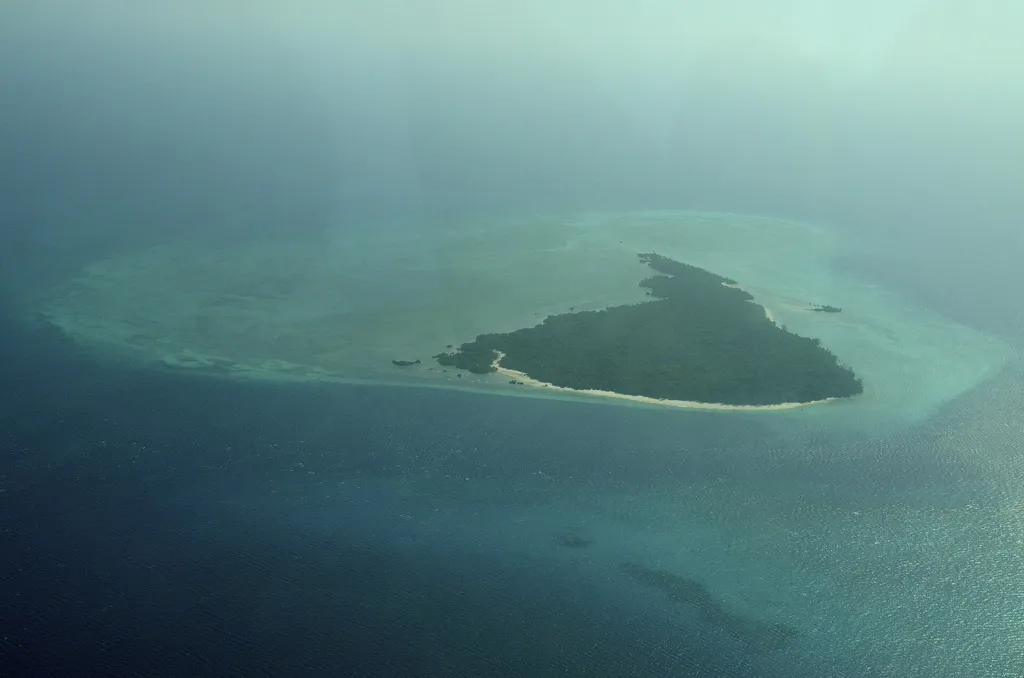
- Misali Island: a protected marine conservation area off the west coast, with clear water for snorkelling and short forest walks.
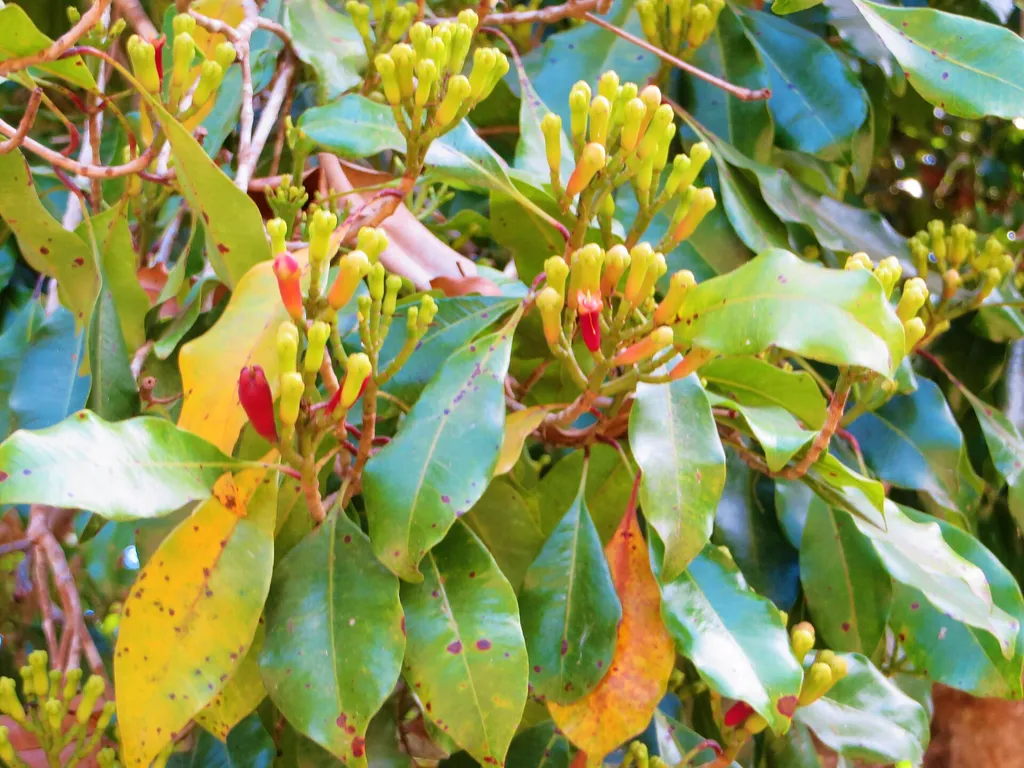
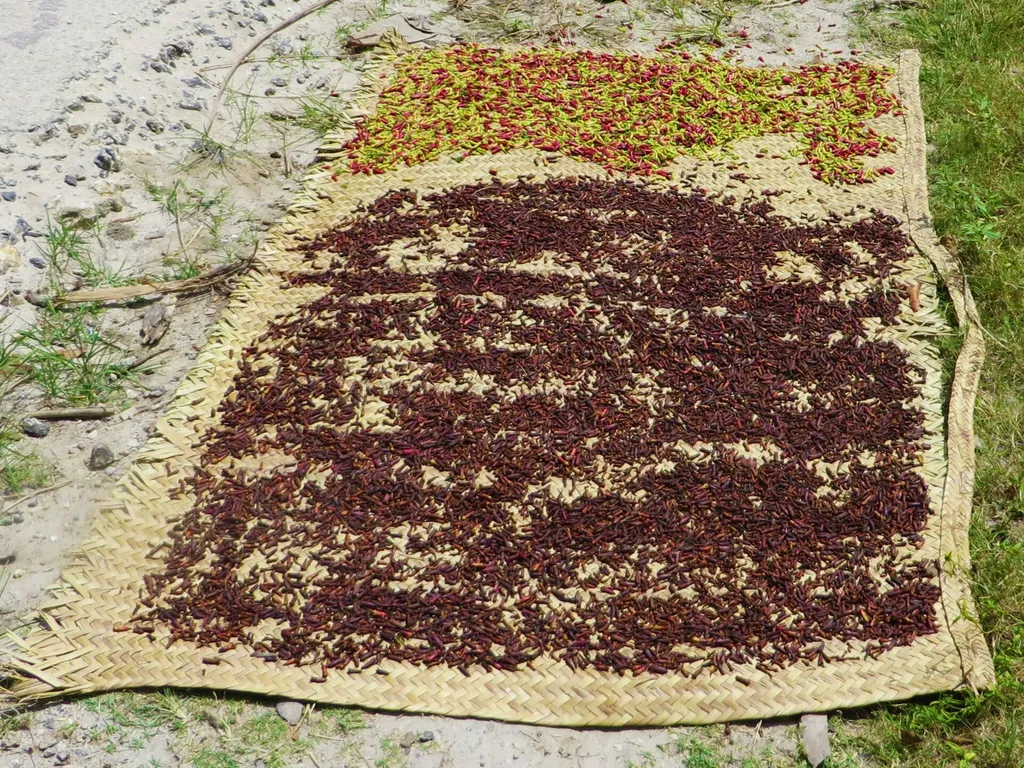
- Cloves: Pemba grows much of Zanzibar's clove crop. In the harvest months you will see buds drying on mats by the roadside, and a farm visit shows you how the spice is picked and processed.
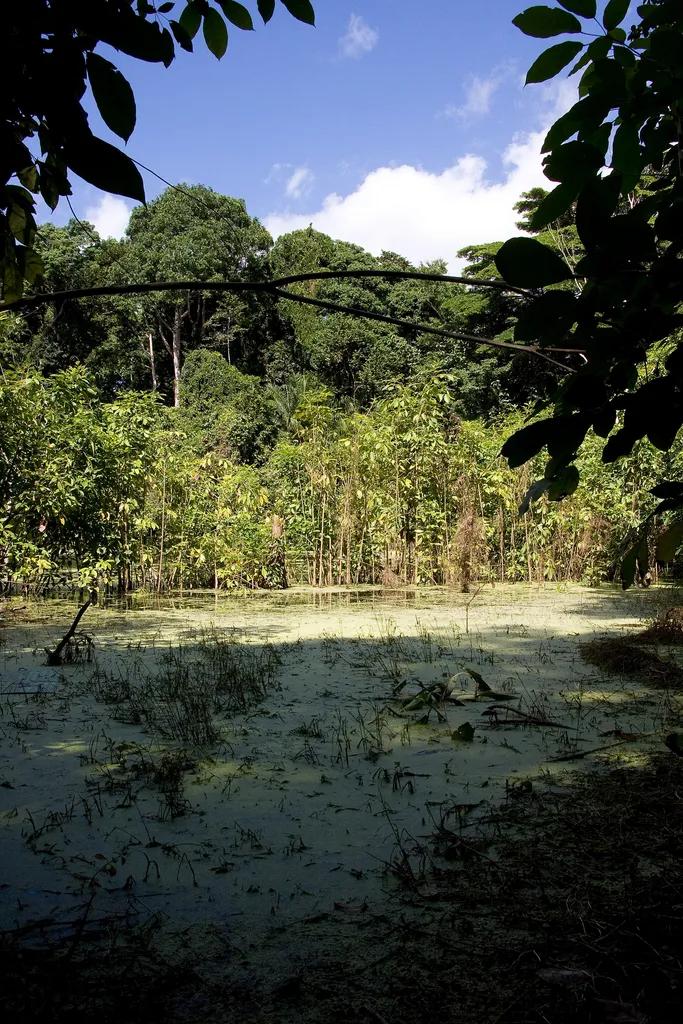
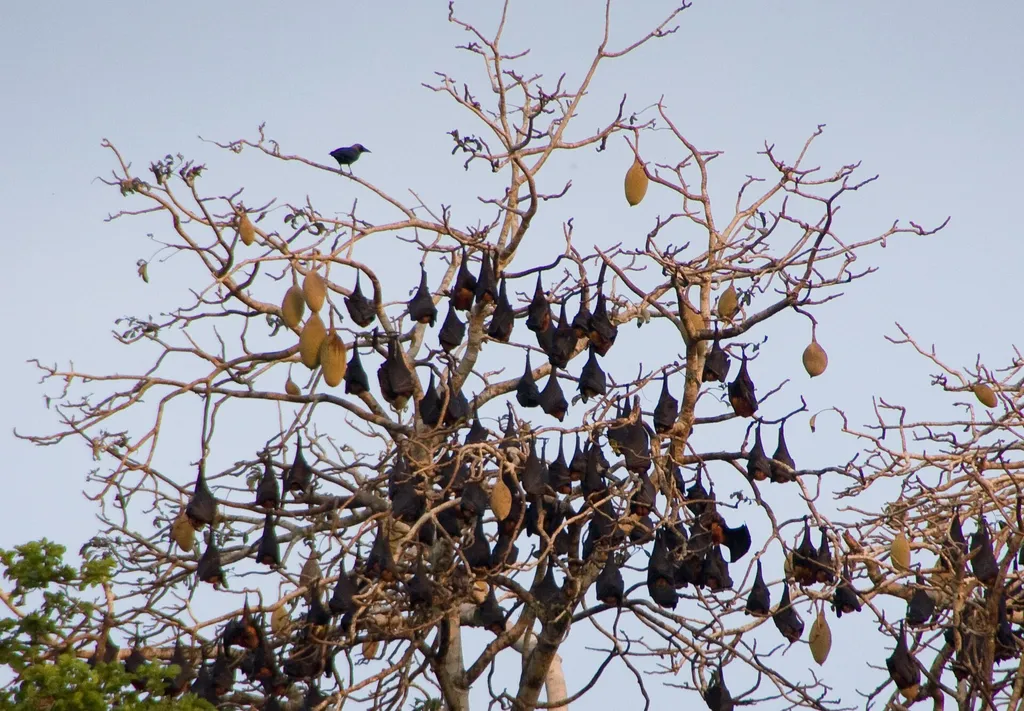
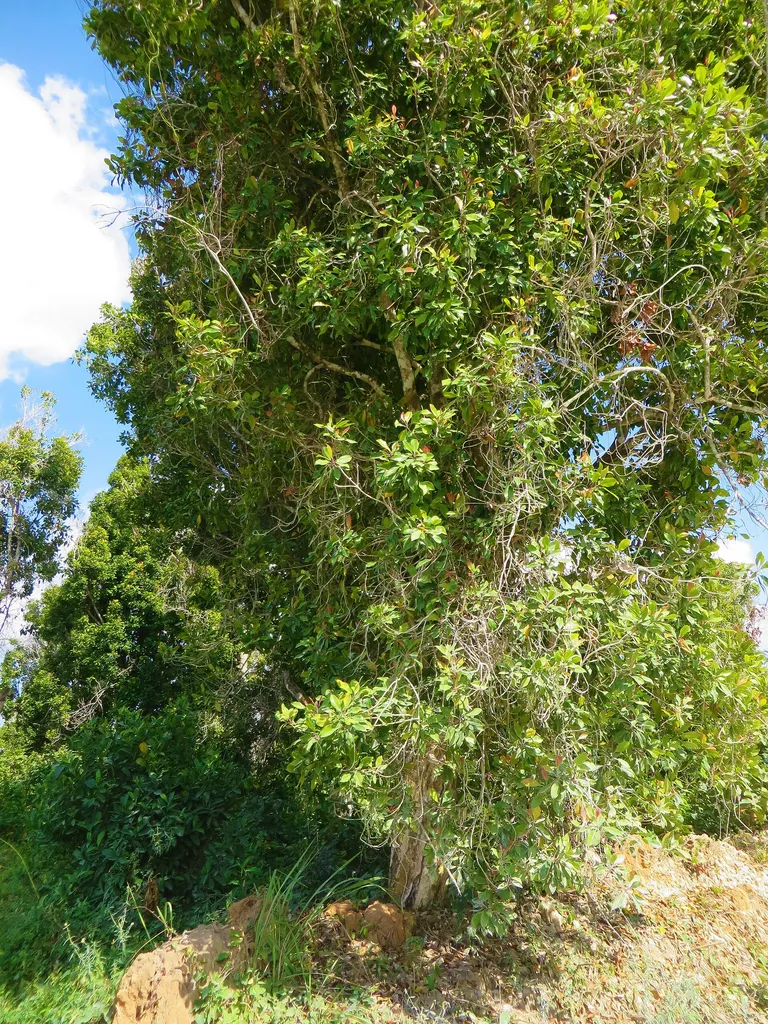
- Ngezi Forest: a reserve of native forest in the north of the island, home to the Pemba flying fox, a large fruit bat found only on Pemba.
- Village life: markets, dhow builders and fishing communities going about an ordinary day. A local guide helps you visit politely.
When to go
Like Unguja, Pemba is driest from about June to October and again from late December to February. Many divers prefer the months around the end of the year and into early in the following one for calmer seas, but conditions vary from year to year and the dive centres will advise on the season you choose. The long rains, roughly March to May, are the wettest time and some places close. See our weather guide for a month-by-month view.
Getting there
Pemba is reached by small aircraft. Flights from Zanzibar take around half an hour, and there are connections from Dar es Salaam and, on some schedules, from Arusha or Kilimanjaro via Zanzibar. Ferries run between Unguja and Pemba but take several hours and timetables change, so for most trips we book a flight. Allow time for transfers on the island, as the roads are slow.
Where to stay
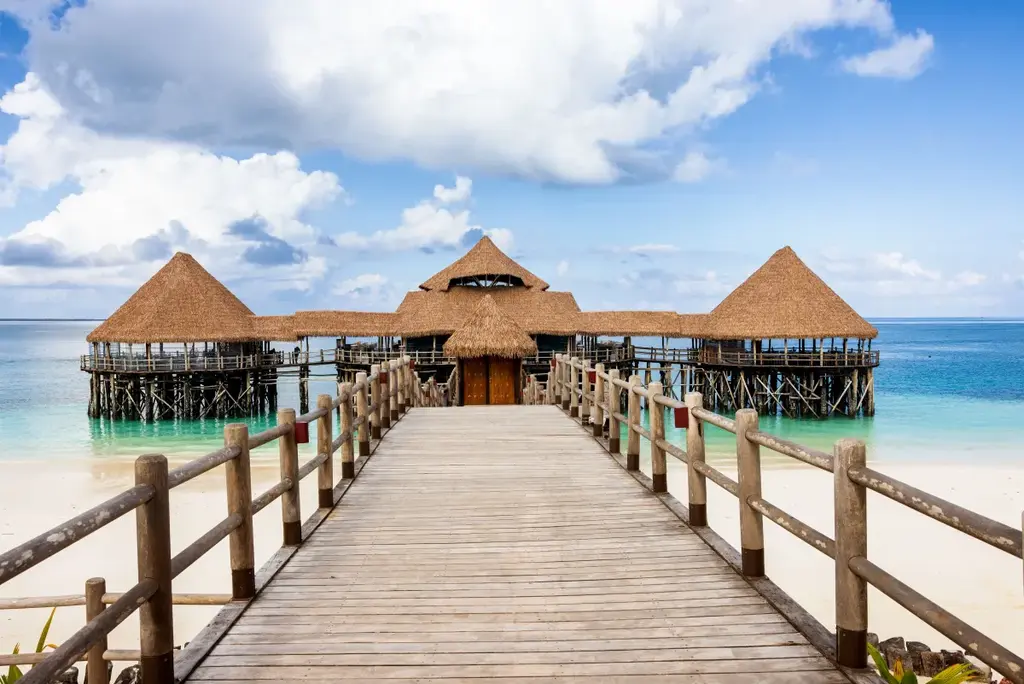
Places to stay on Pemba are few and spread out. Most are small, quiet beach properties, several with their own dive centre, and many are reached by a longer drive or a short boat ride. Expect fewer facilities than the busy Zanzibar coasts, and more space.
How it fits your trip
Pemba suits travellers who have already seen Zanzibar or who simply want somewhere calmer. A few nights here works well after a Kilimanjaro climb or a northern safari, and you can split the beach time between a night or two in Stone Town and the rest on Pemba. Tell us whether you dive and we will plan the days around the water.