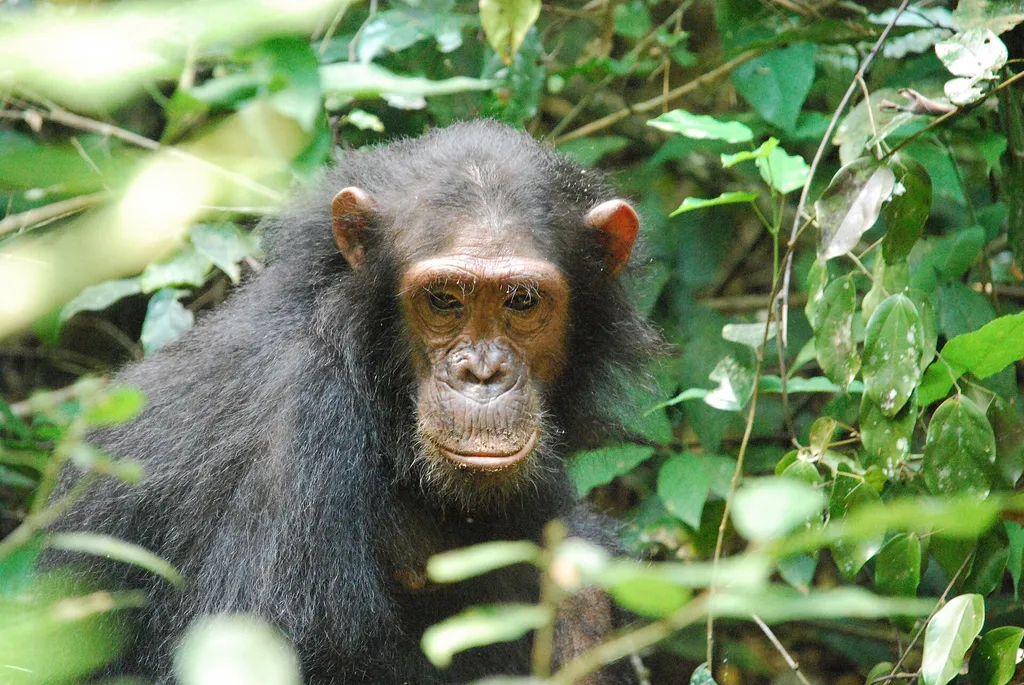
About Gombe Stream National Park
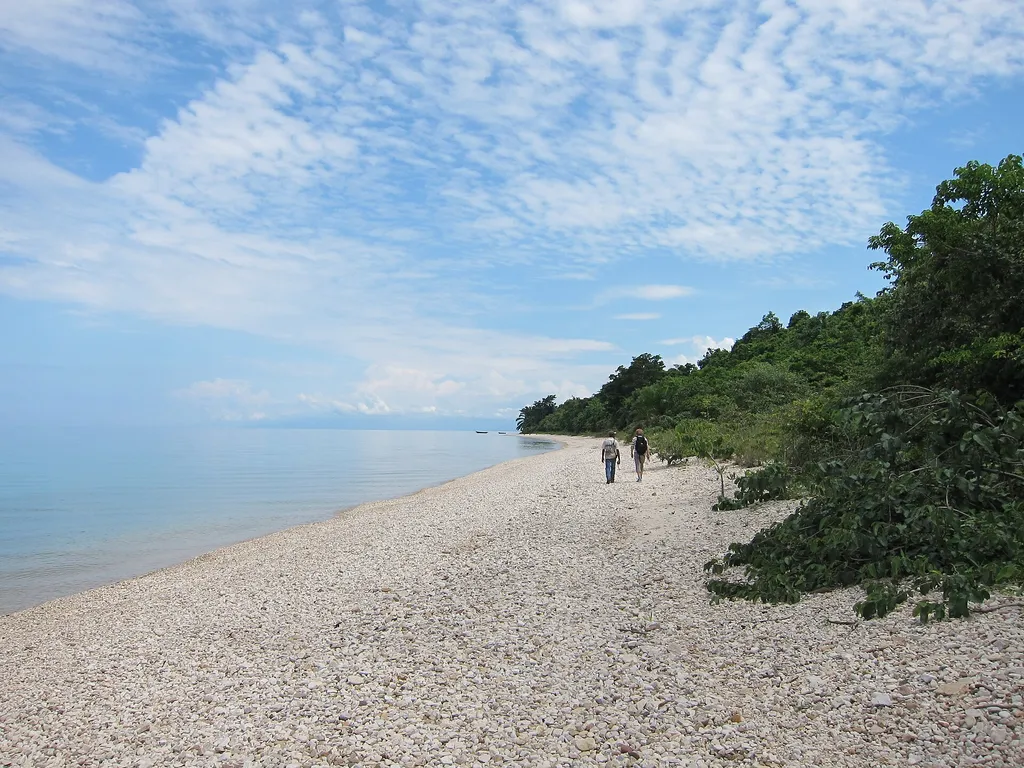
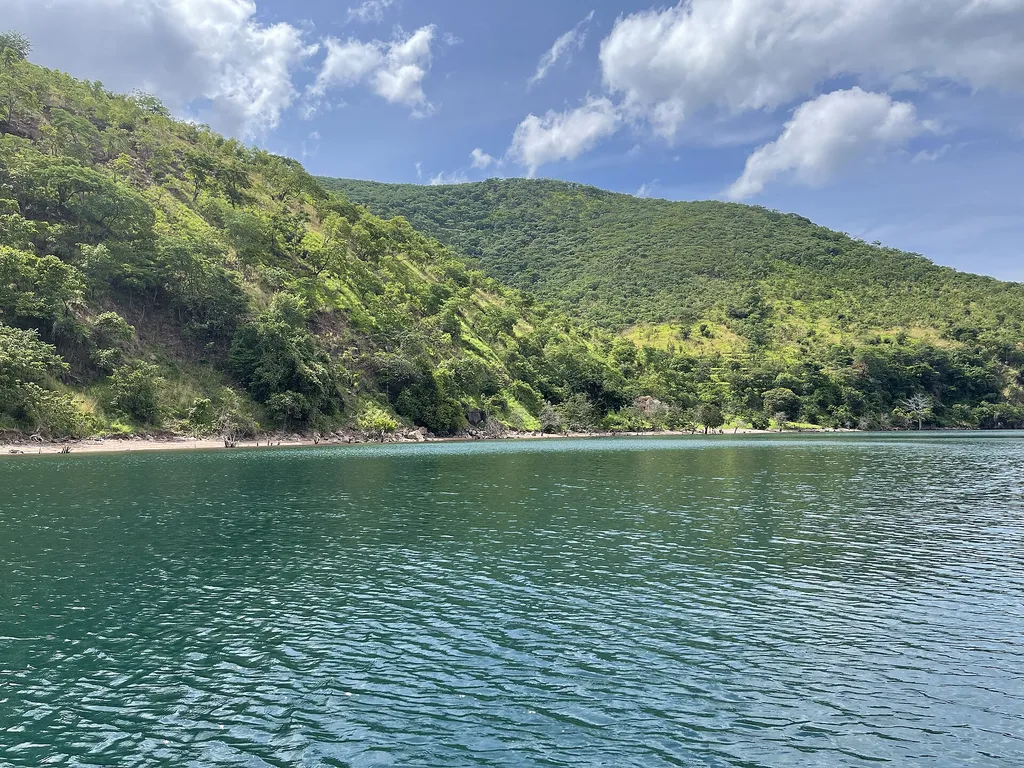
Gombe Stream is one of Tanzania's smallest national parks, a strip of steep forested valleys on the shore of Lake Tanganyika about 16 kilometres north of Kigoma. It is famous as the place where Jane Goodall began her chimpanzee research in 1960, work that grew into the longest-running field study of any wild species. There are no roads; you arrive by boat and walk from the beach. Gombe suits travellers who want an intimate primate experience and do not mind steep, sweaty trails.
What you will see
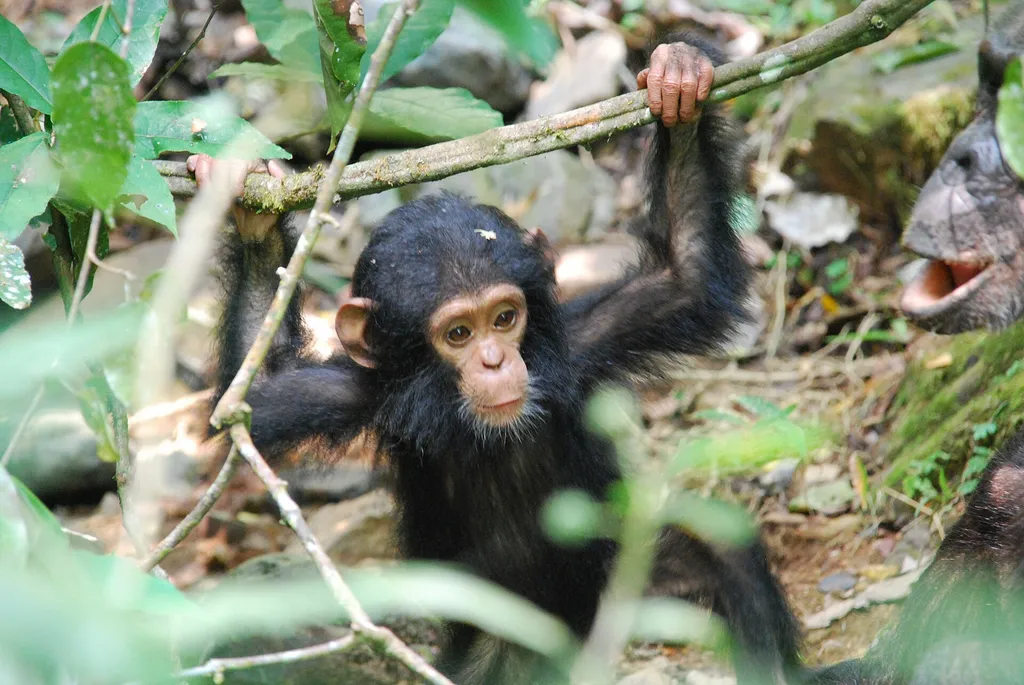
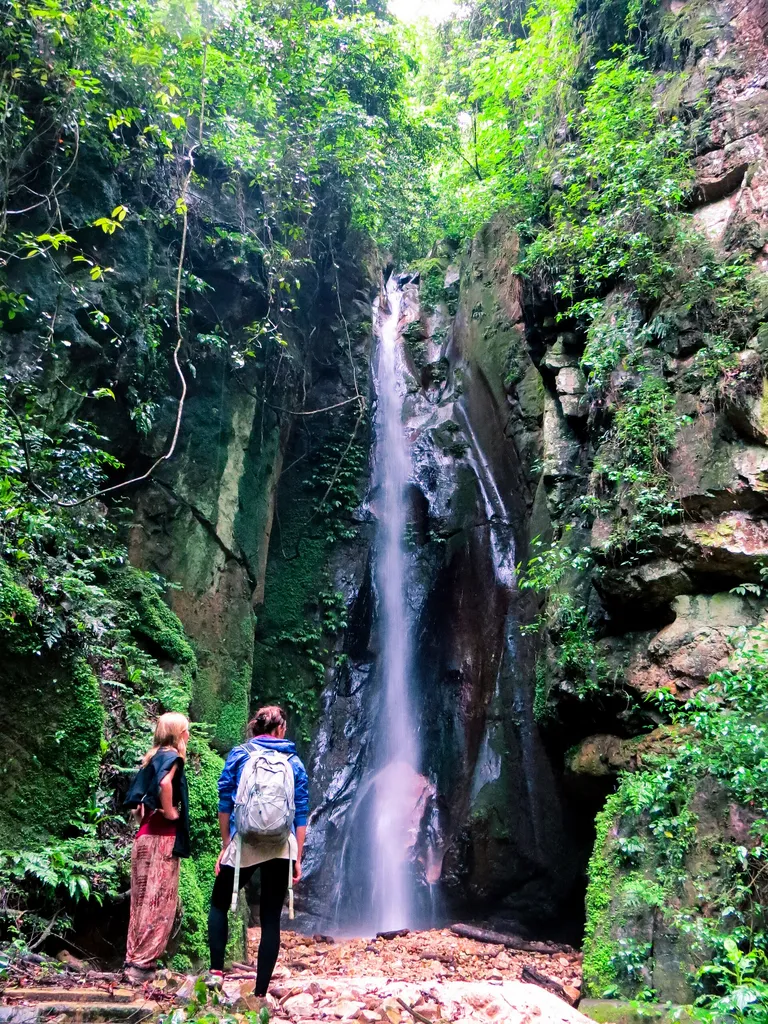
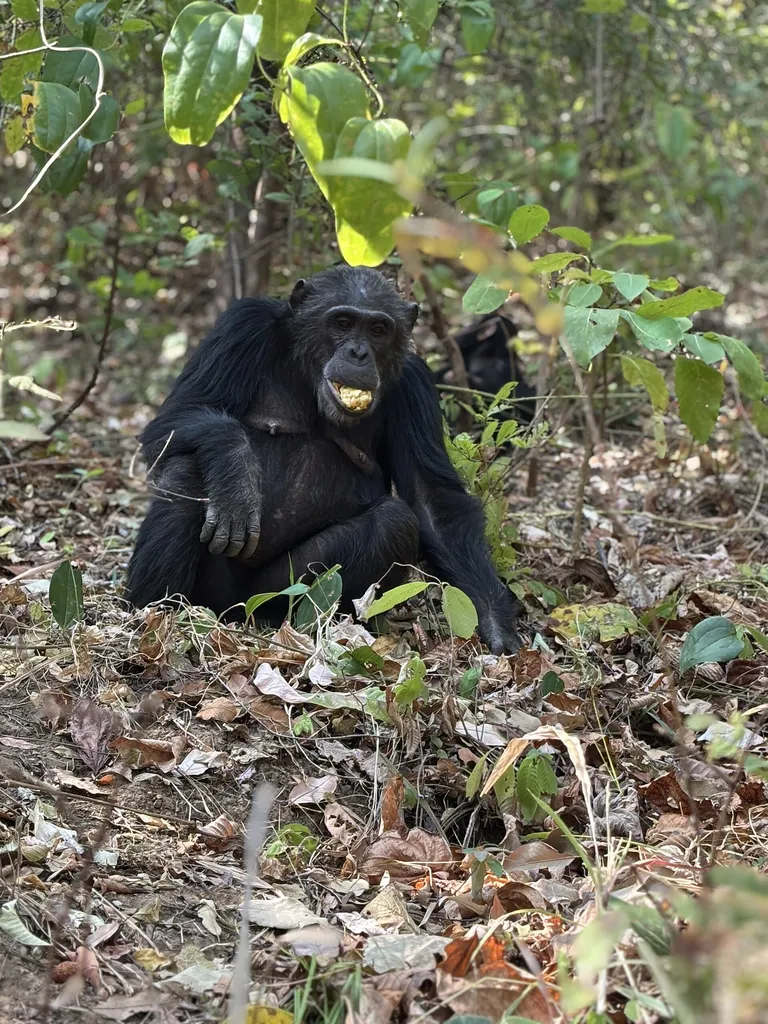
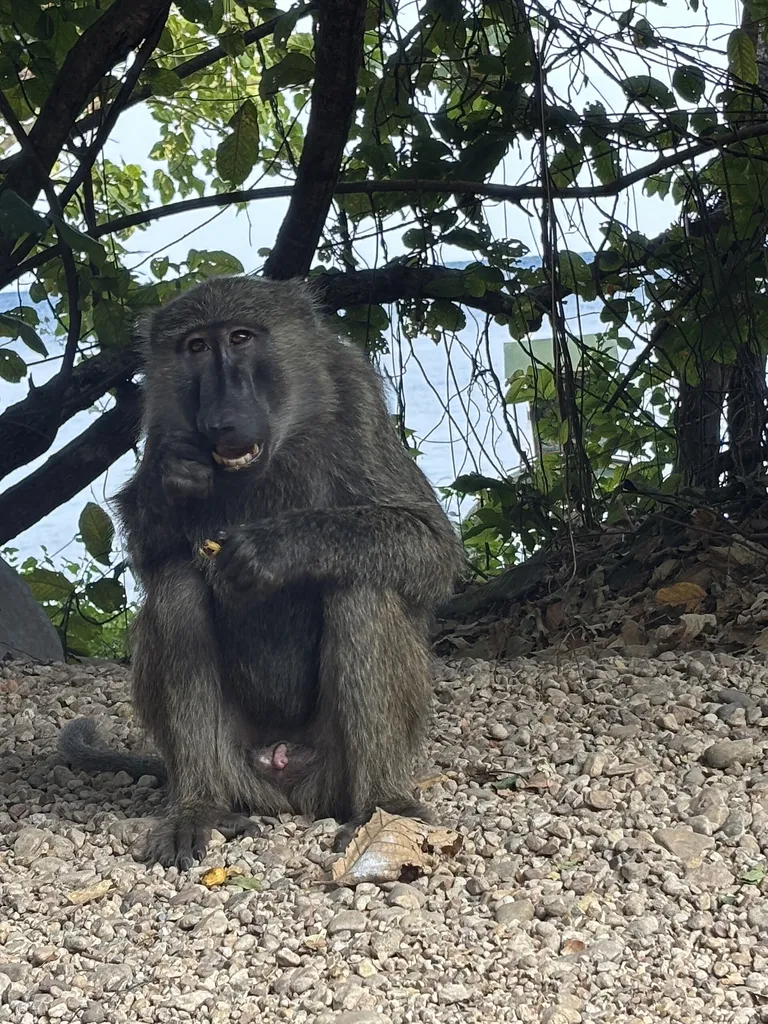
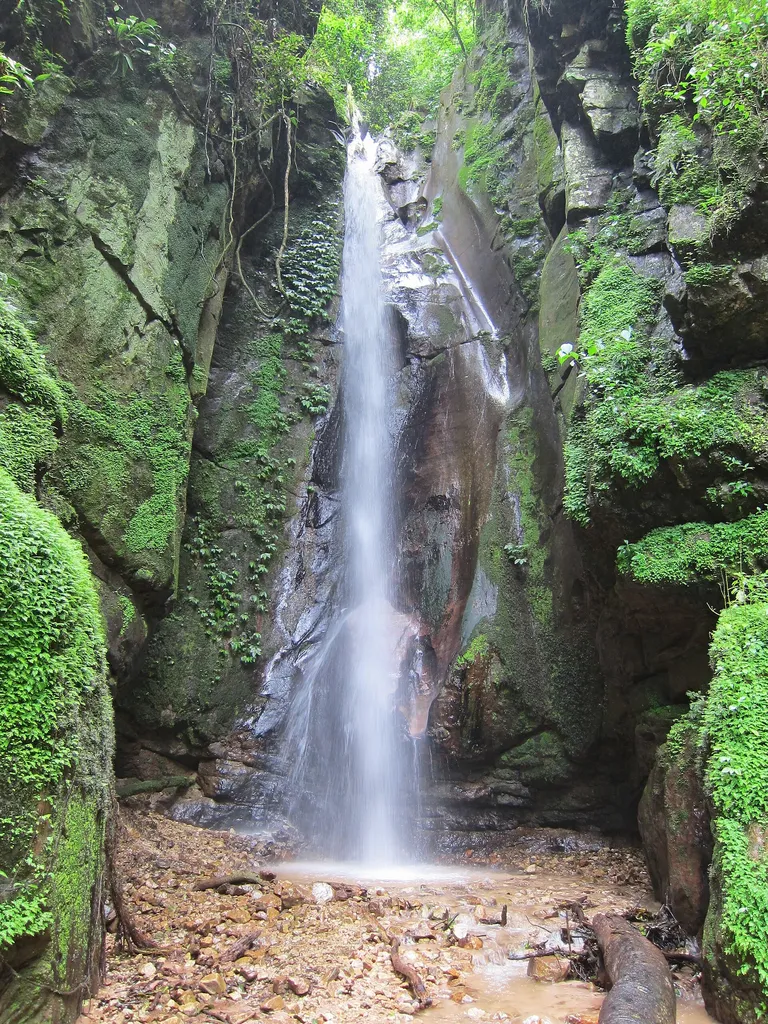
Two chimpanzee communities, Kasekela and Mitumba, live in the park, and treks set out to find one of them. Sightings are likely but never guaranteed. The forest also holds olive baboons, red colobus, and red-tailed and blue monkeys. Beyond the chimps, a trail leads up the valley to Kakombe waterfall, and a longer hike climbs to Jane's Peak for views over the lake. Back at the beach, you can snorkel or kayak in the clear water.
The chimpanzee trek
- Distance: you keep at least 10 metres from the chimps and wear a mask to protect them
- Time: once you find them, you have one hour with the chimps
- Health: you cannot trek if you are unwell, and groups are kept small
- Age and fitness: a minimum age applies, so ask us if you are travelling with children; trails are steep
Sturdy shoes, long trousers and a light rain layer all make the walk easier.
When to go
Late June to October and January to early March are the most comfortable periods. In the rains, the trails become slippery and walking is harder work. The chimps are here all year, so the main difference is comfort on the paths. Our Tanzania weather guide explains the seasons in the west.
Getting there
Air Tanzania flies from Dar es Salaam to Kigoma. From Kigoma a speedboat takes about one to one and a half hours north along the lakeshore to the park, with fishing villages and steep hillsides drifting past on the way.
How it fits your trip
Gombe works well as part of a western circuit, combined with time on Lake Tanganyika and a visit to the Livingstone memorial at Ujiji. Some travellers also continue south to Mahale. It is a good contrast after a Kilimanjaro climb and a northern safari: forest instead of open plains, and a small, quiet group on foot. Plan at least two nights at the park so you have a second chance to trek if the first day is quiet.
Where to stay
Accommodation inside the park is limited and simple, close to the lake. Many visitors also spend a night in Kigoma on either side of the trip. Send us your dates and we will plan the boat and flights around your trek.