About Kitulo National Park
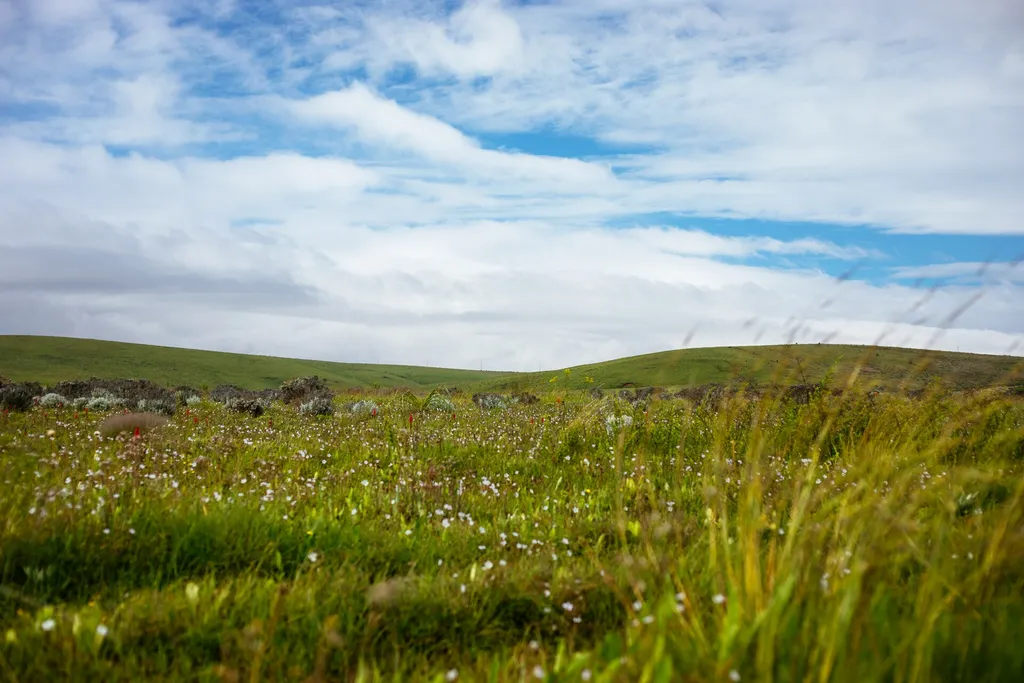
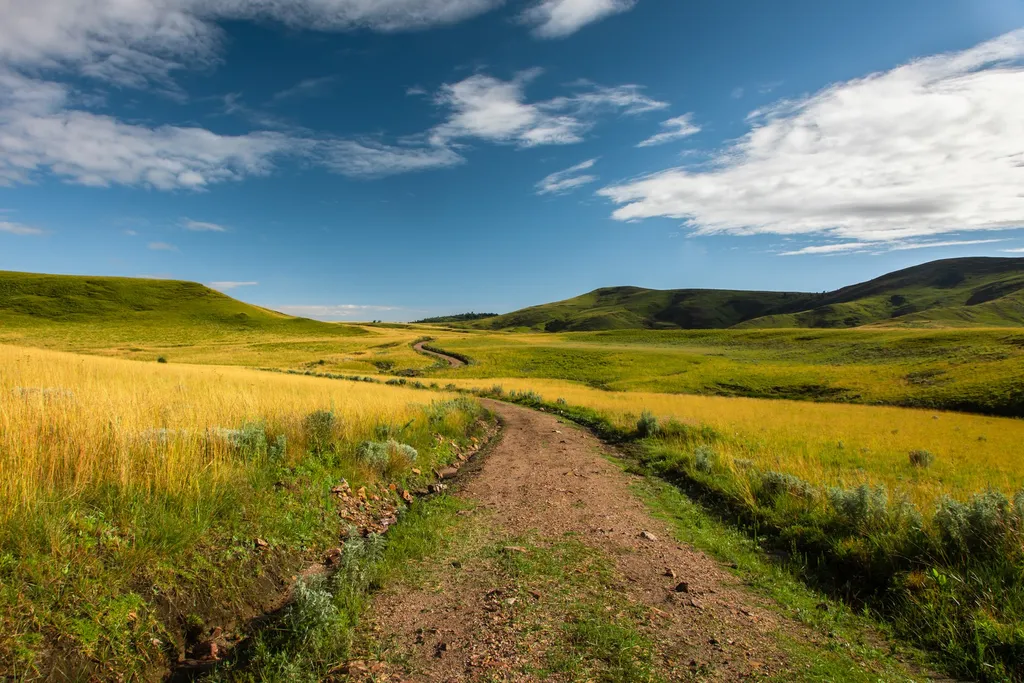
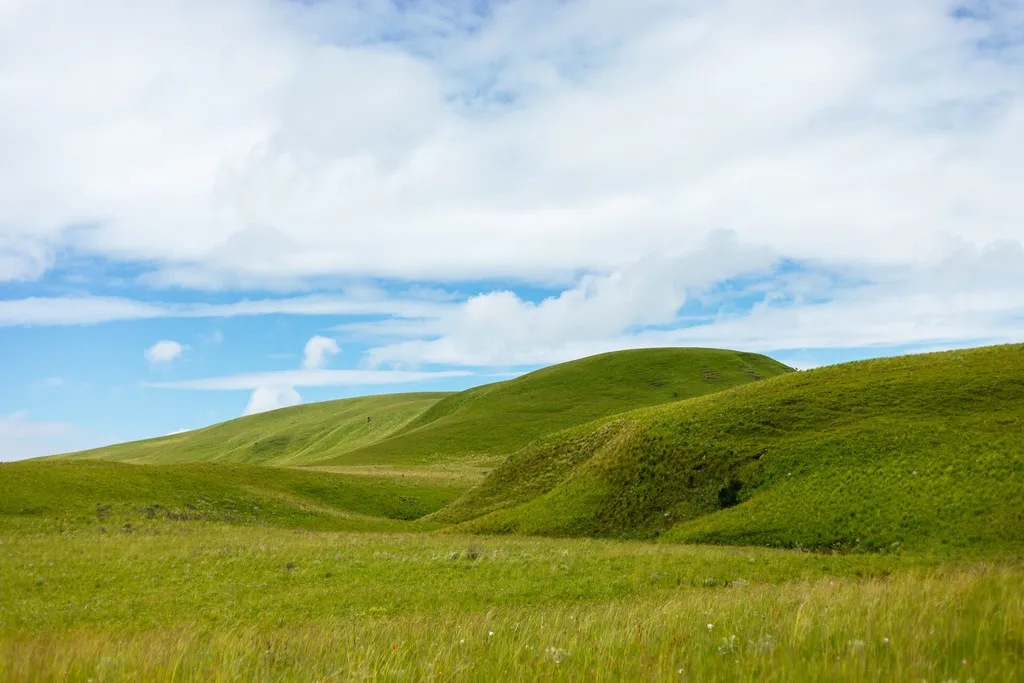
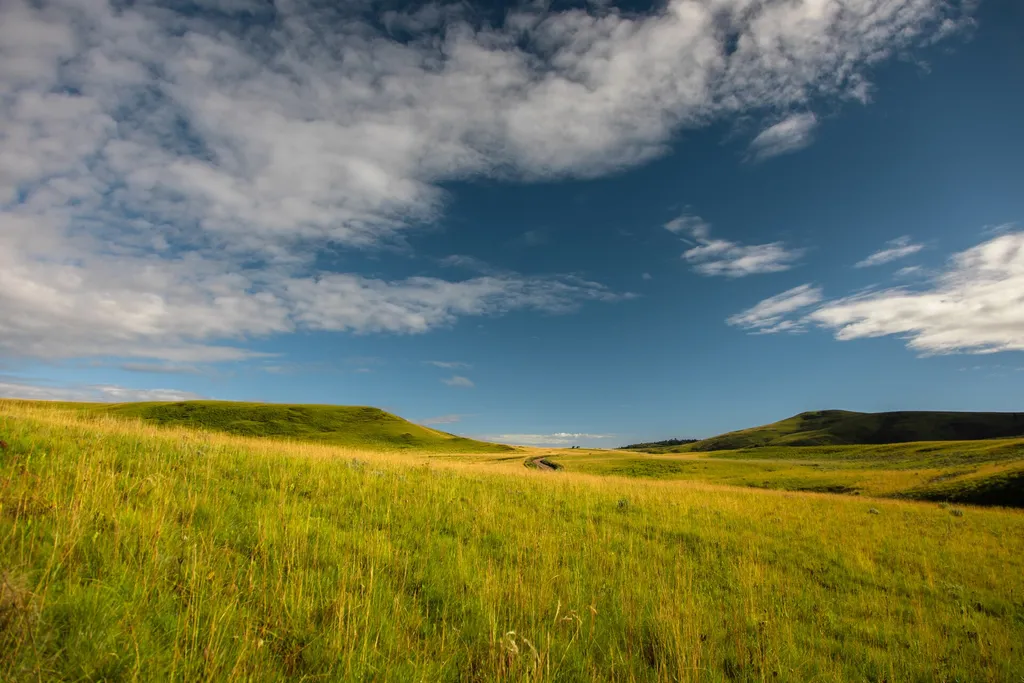
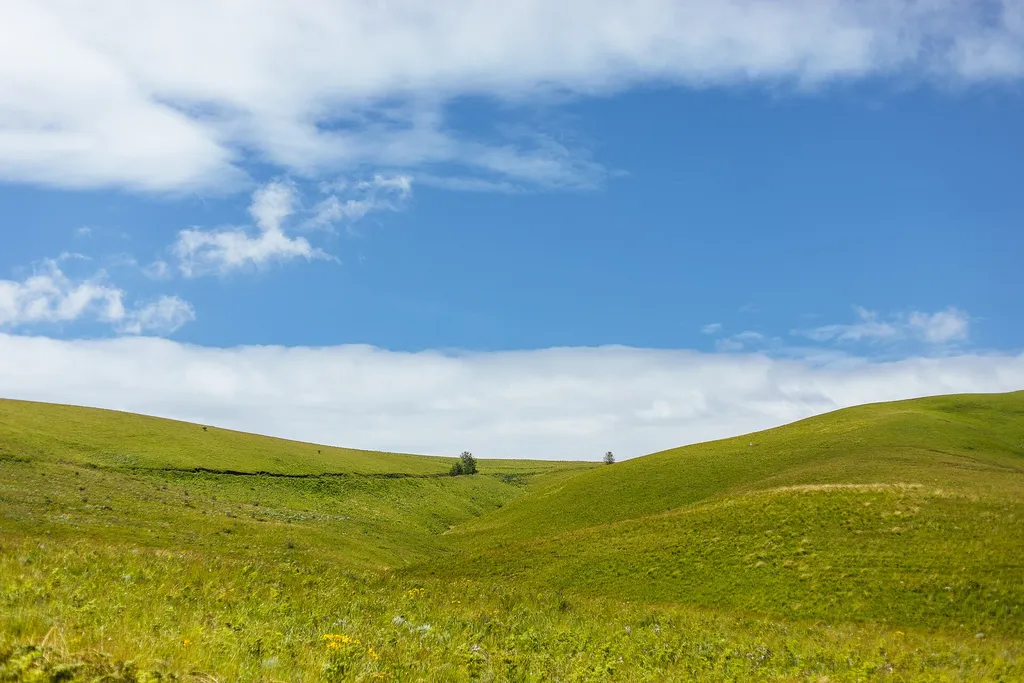
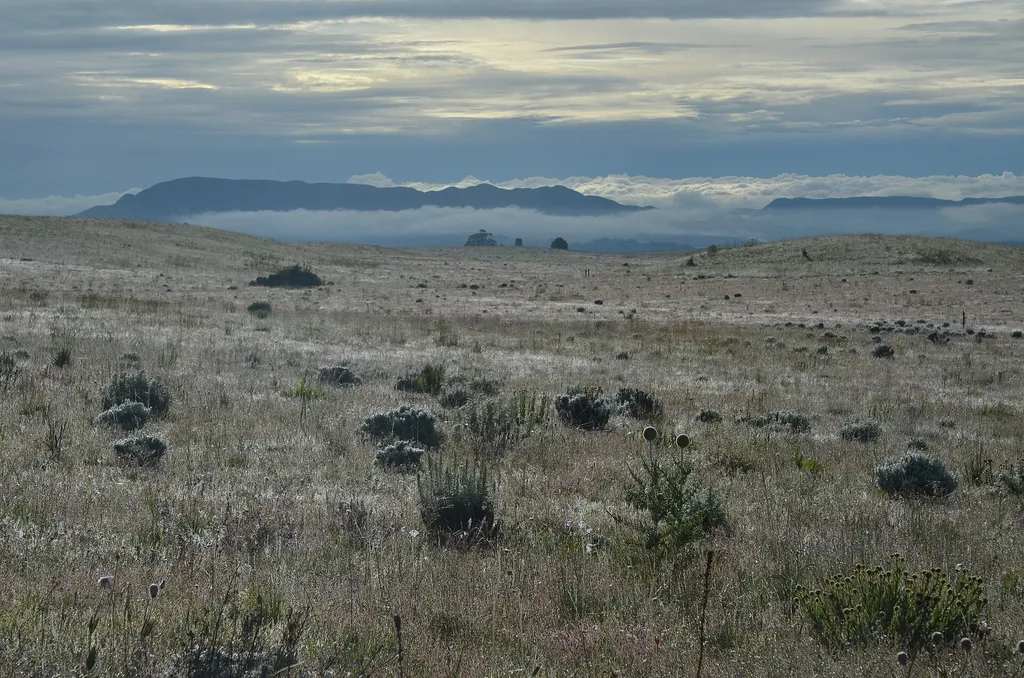
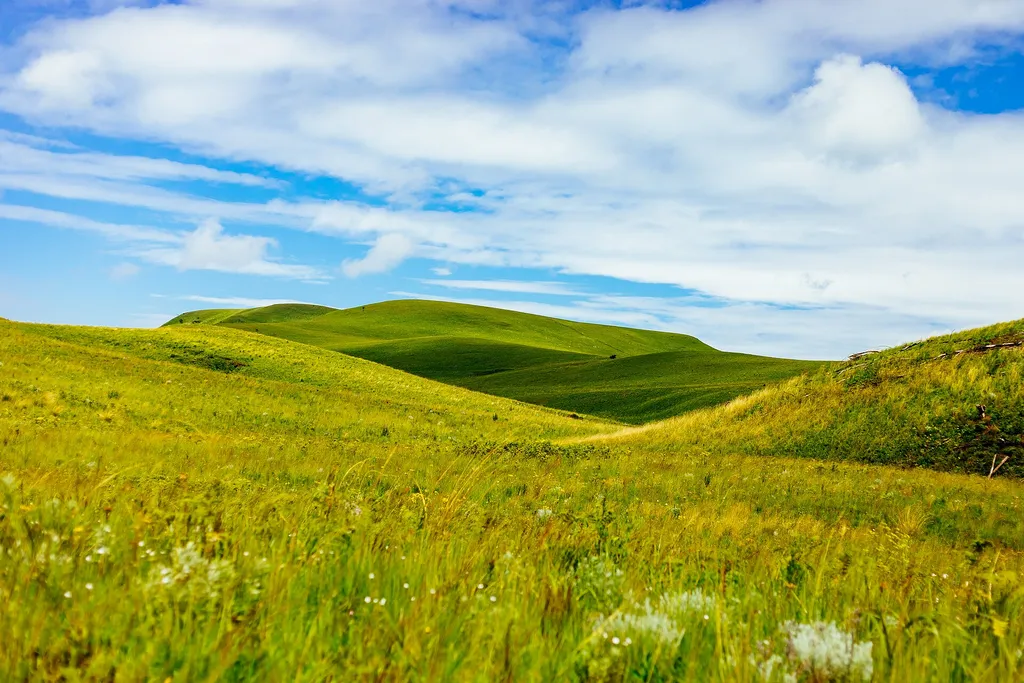
Kitulo National Park covers a high, rolling plateau in the Southern Highlands, at around 2,600 metres above sea level. Locally it is called Bustani ya Mungu, God's Garden, and it has been described as the first park in tropical Africa protected mainly for its plants. Declared in 2005, it covers about 413 square kilometres. This is not a big-game park. It suits walkers, birders and plant lovers who want open space, cool air and very few other visitors.
What you will see
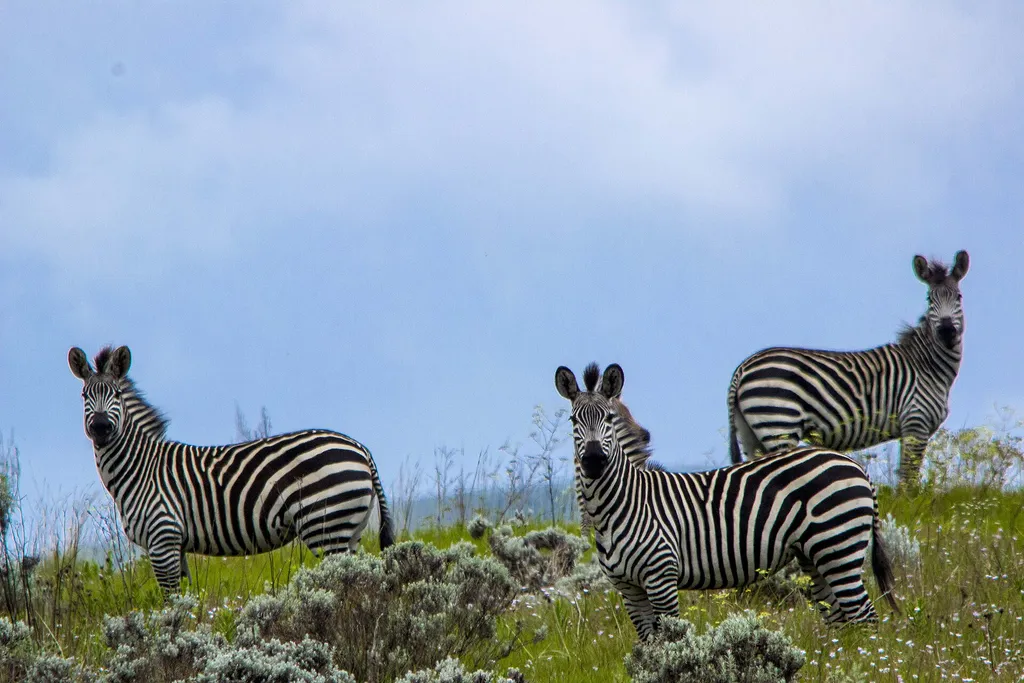
In the rains the grassland bursts into flower. More than 350 plant species grow here, including around 45 kinds of ground orchid, along with lilies and red-hot pokers. The plateau is also home to rare birds such as the blue swallow, Denham's bustard and the Kipengere seedeater. In the forest on the park's edge lives the kipunji, a monkey first described by scientists in 2005. Zebra were reintroduced in 2018, but mammals are not the main draw. Walking slowly reveals far more than driving past, as many of the orchids are small and easy to miss, and the mix of colours shifts across the season as different flowers open and fade.
- Mtorwi Peak: at 2,961 metres, a good climb for a clear day
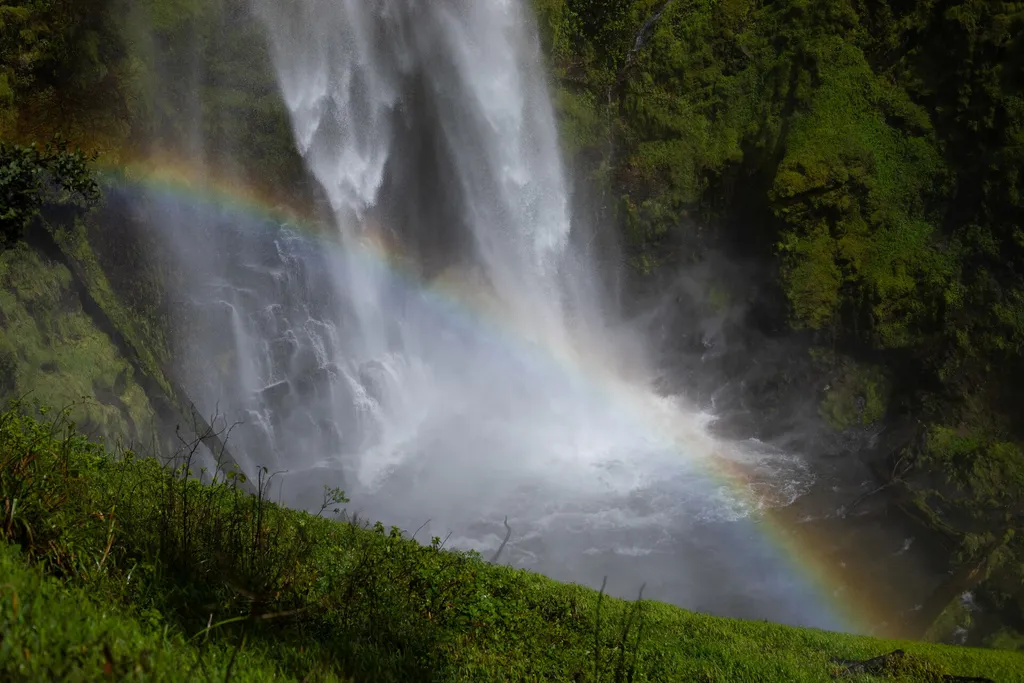
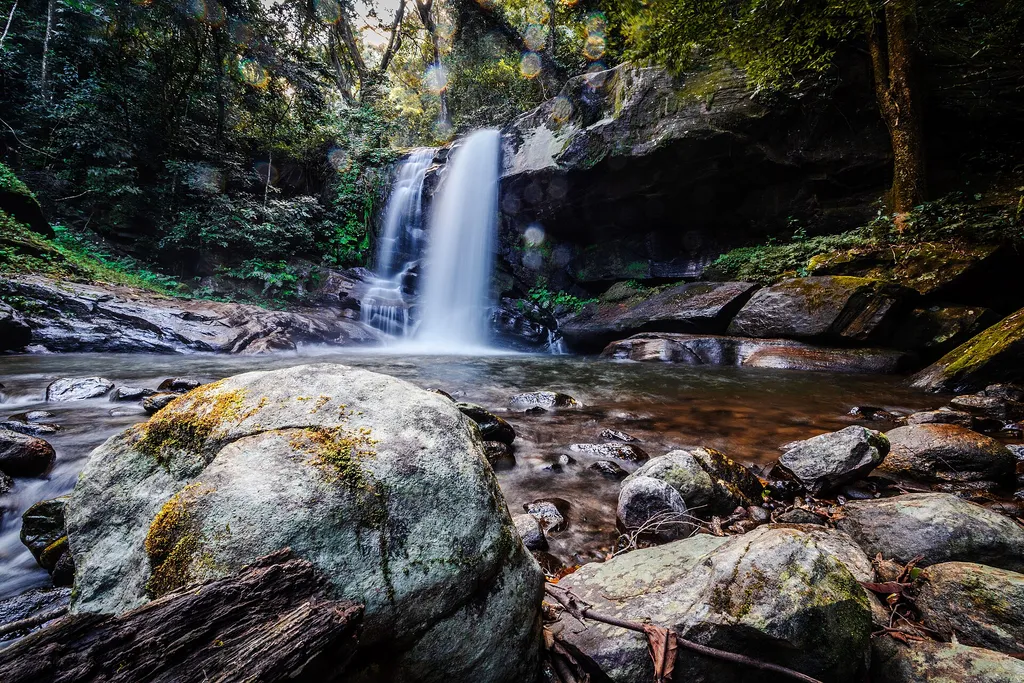
- Nhumbe waterfall: a walk across the plateau to the falls
- Cycling and camping: a cycling loop and campsites for the self-sufficient
When to go
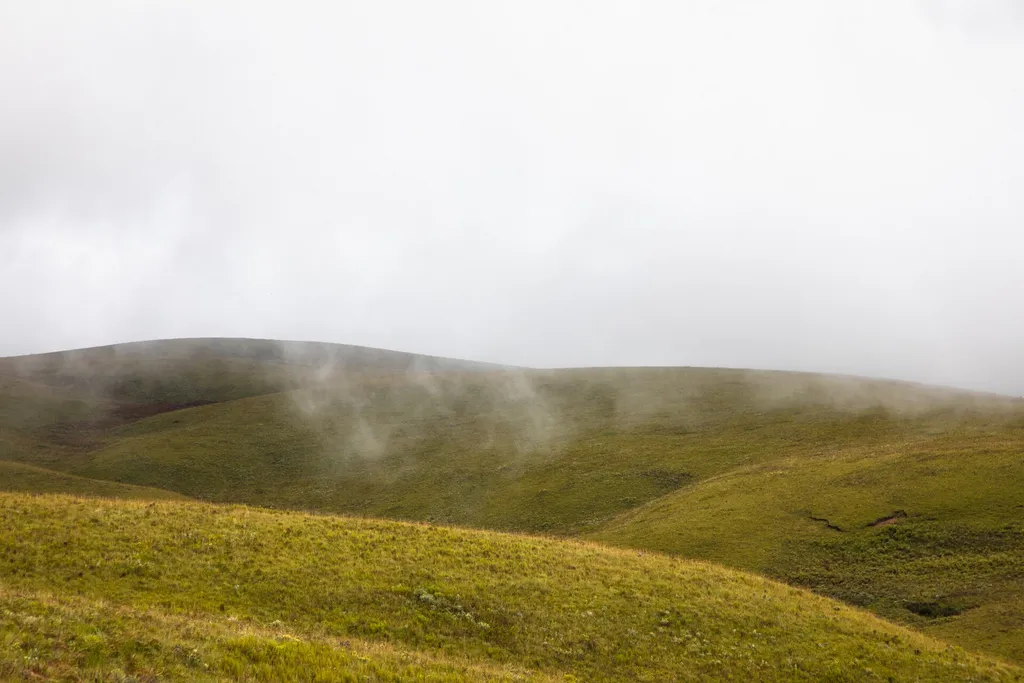
For wildflowers, come from late November or December to April, during the rains. June to August is misty and cold, with frost on some nights and temperatures dropping to around freezing. September to November brings the clearest views, but few flowers. Whenever you go, bring warm clothes and waterproofs. The Tanzania weather guide has more detail.
Getting there
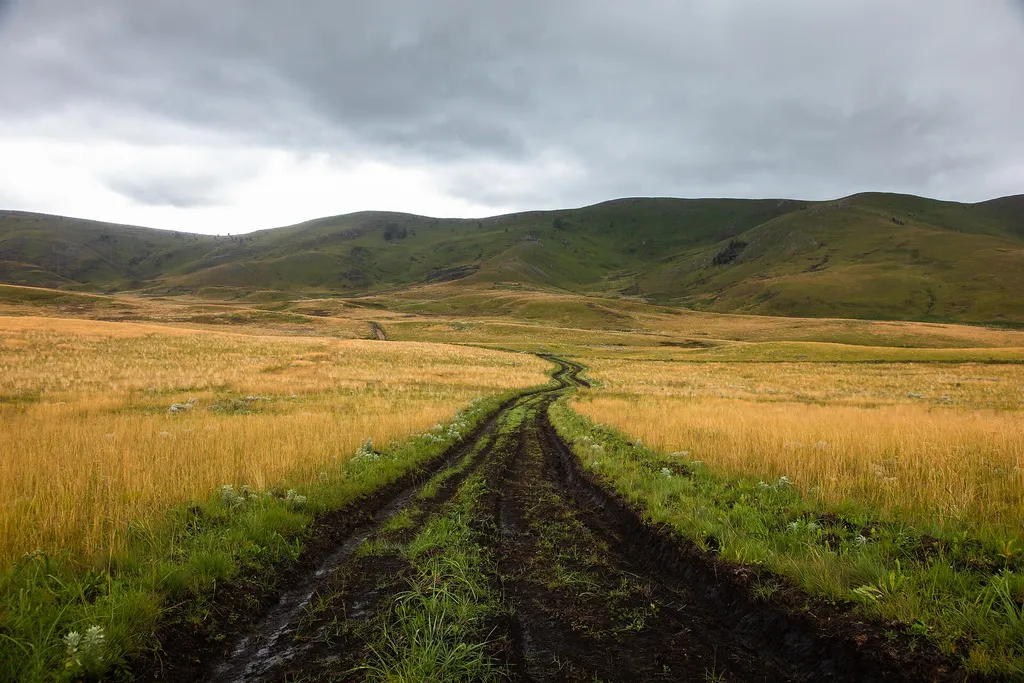
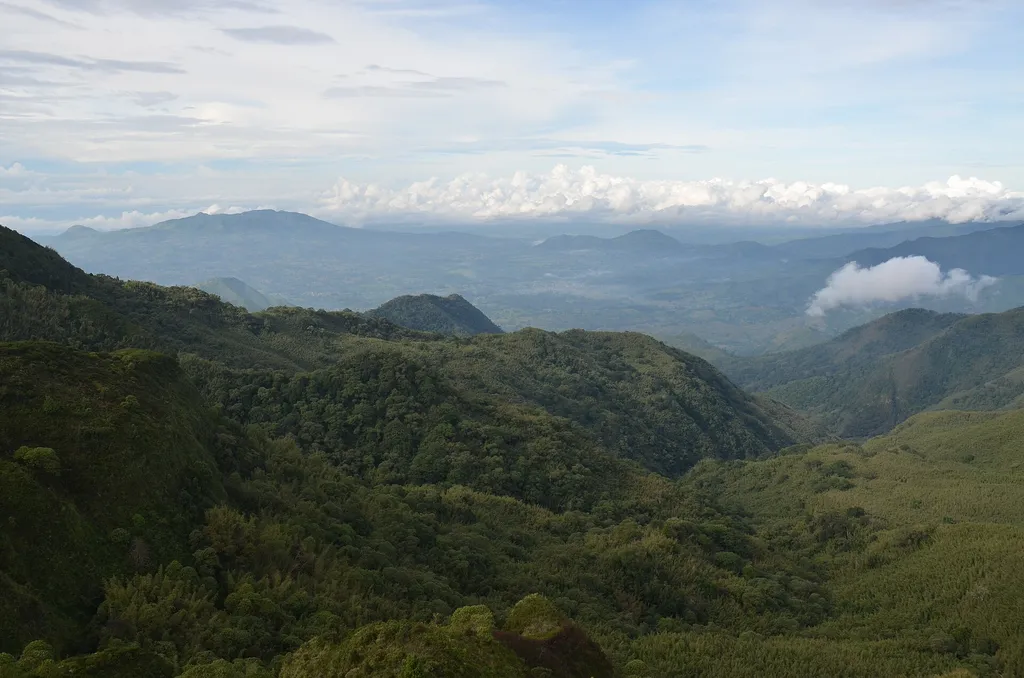
Air Tanzania flies from Dar es Salaam to Songwe Airport near Mbeya in about an hour and a quarter. From Mbeya the road runs to Chimala, then climbs on gravel up 57 hairpin bends to the plateau. A 4x4 is needed, and the drive is slow but spectacular, with wide views back over the lowlands.
How it fits your trip
Kitulo pairs well with Ruaha, the big-game park of the south, so you can combine flowers and walking with lion and elephant country. Those who have recently finished a Kilimanjaro climb will find the altitude comfortable after Kibo, though the plateau is still cold enough to make a fleece essential. Plan two nights on the plateau so a misty morning does not cost you the views.
Where to stay
Facilities are limited, and many visitors camp. Simple lodges in the surrounding highlands are an alternative for those who prefer a roof. Whichever you choose, pack for cold nights and damp mornings. Send us your dates and we will help you time a visit for the flowers.