
About Ruaha National Park
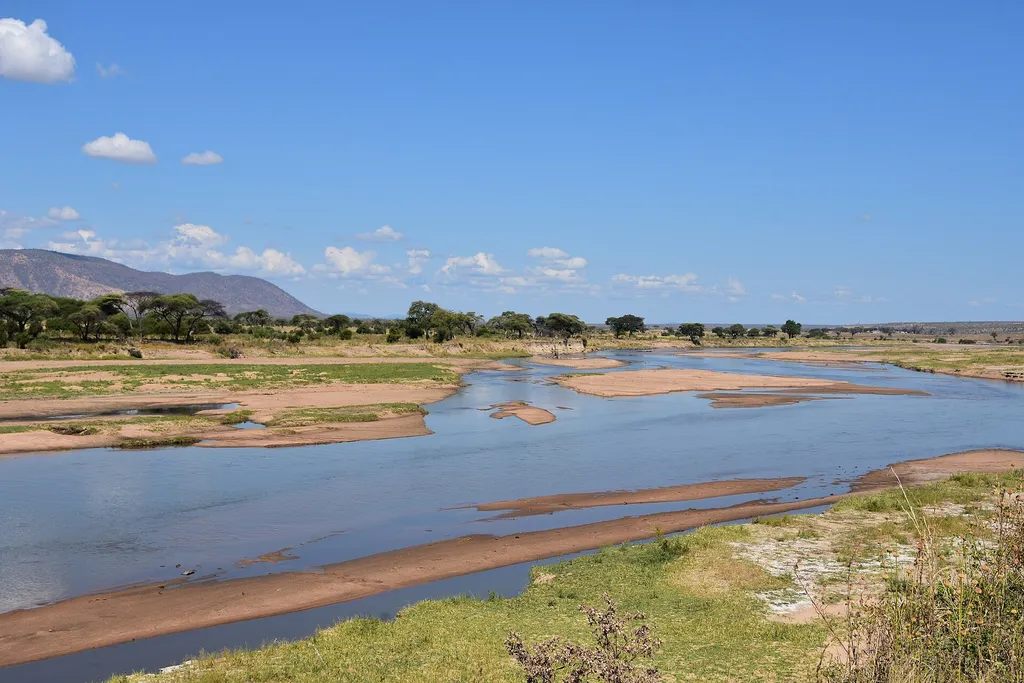
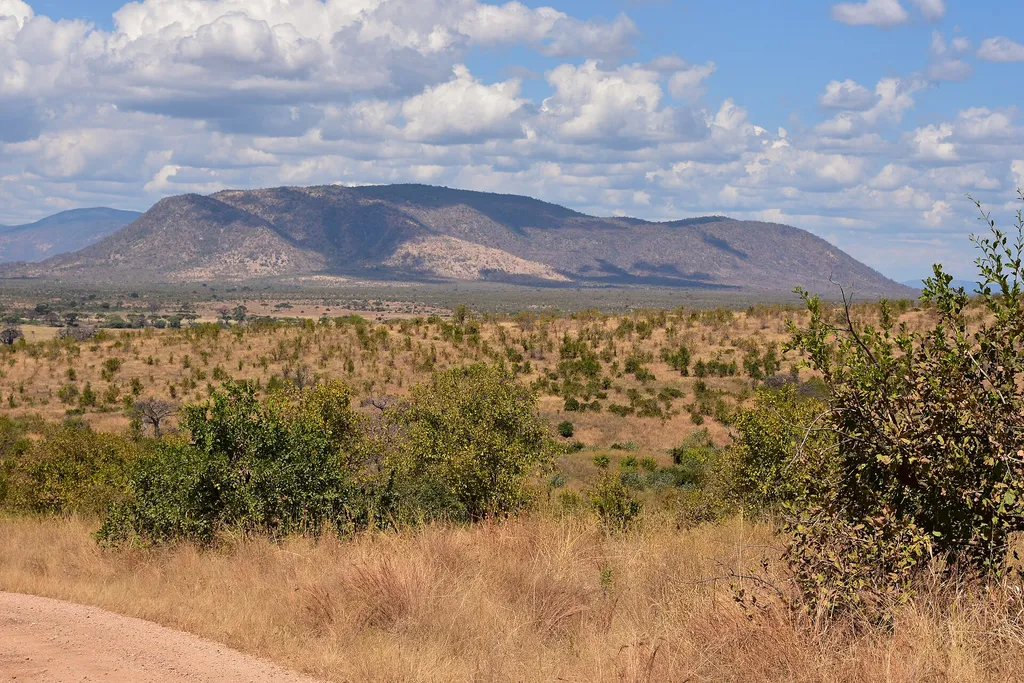
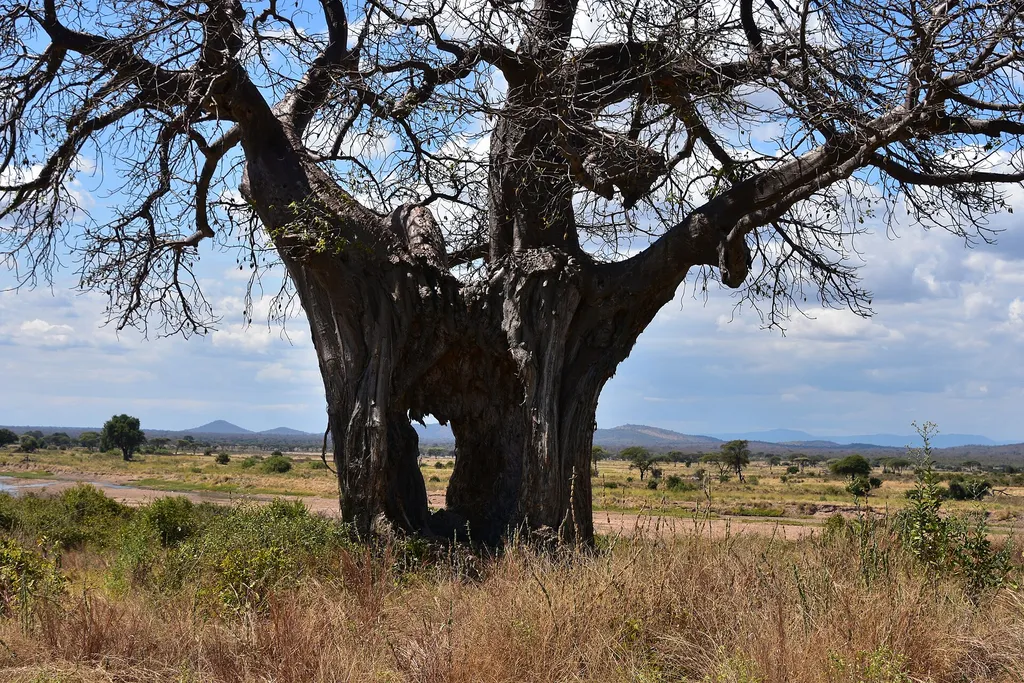
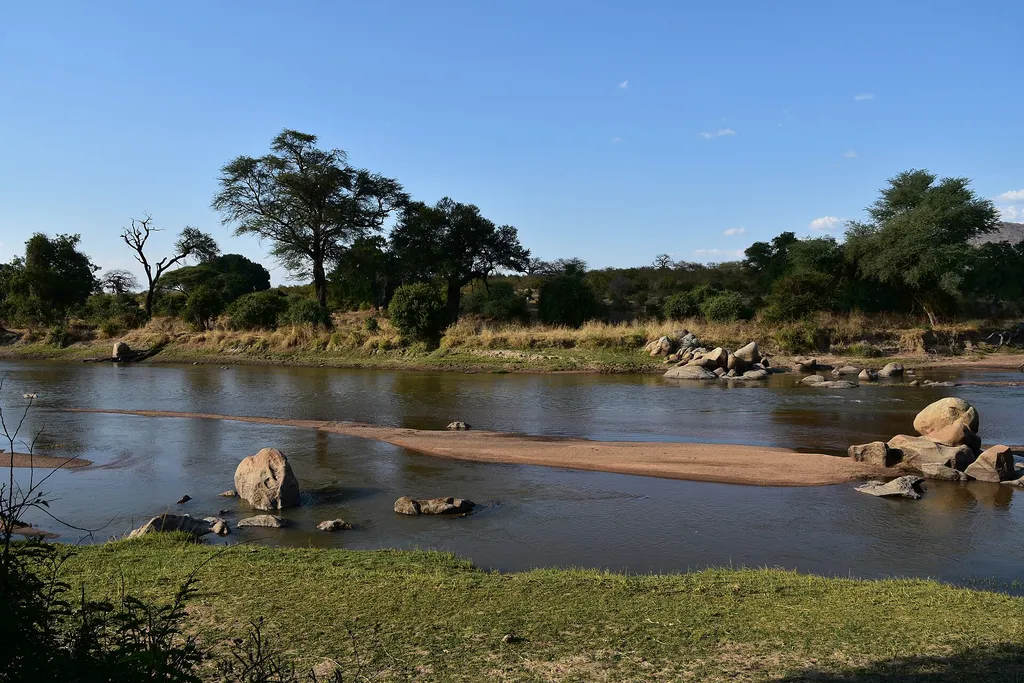
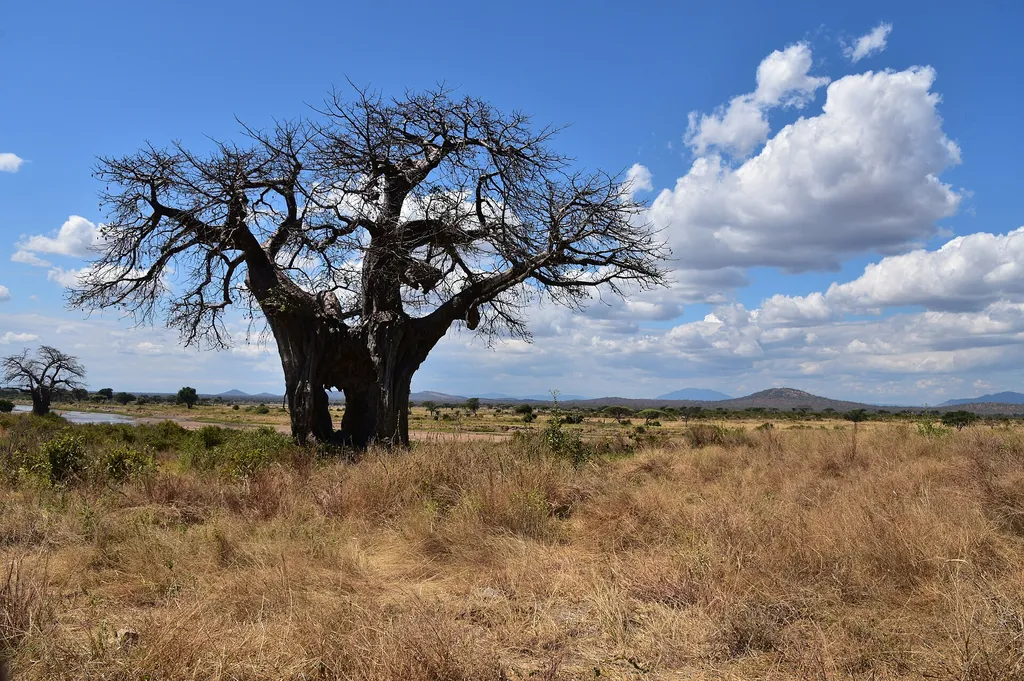
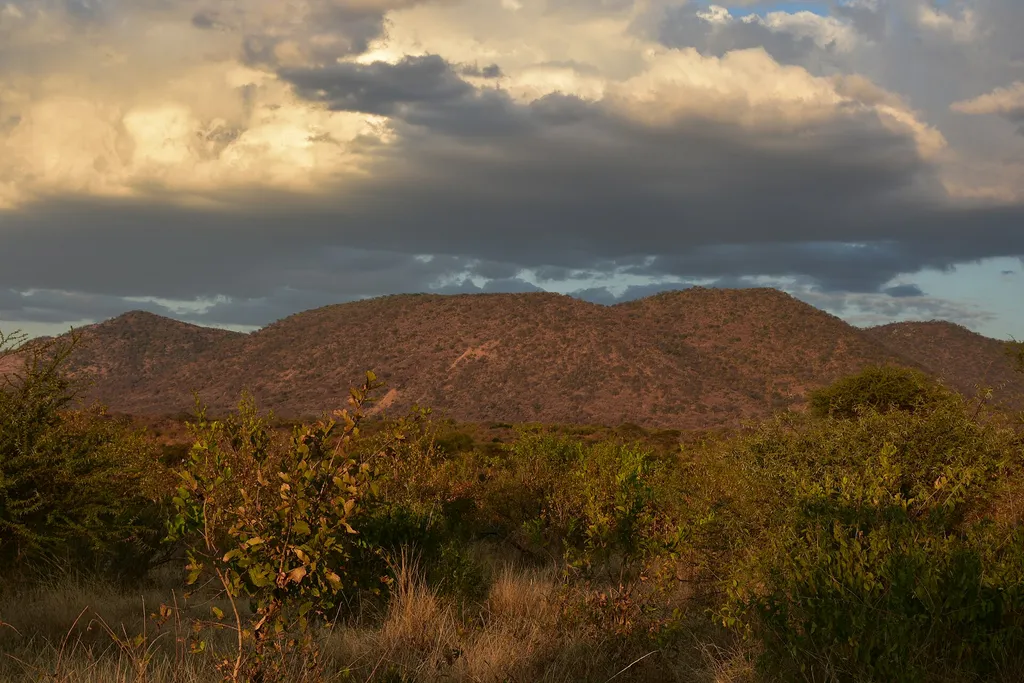
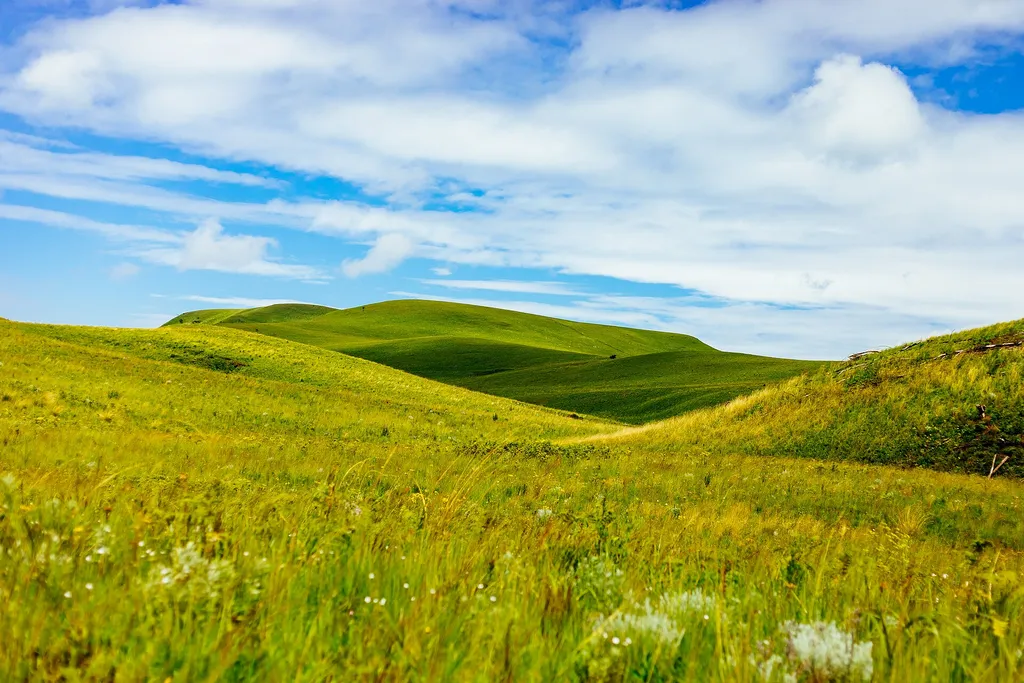
Ruaha is big, dry and wonderfully uncrowded. It lies in south central Tanzania, west of the town of Iringa, and the Great Ruaha River draws wildlife through the park in the dry months. Around it the country is a mix of rocky hills, open plains and woodland scattered with huge baobab trees. Ruaha is known above all for its lions and its elephants. If you have already seen the north and want something wilder, or you simply prefer to share sightings with very few other vehicles, it is a strong choice.
What you will see
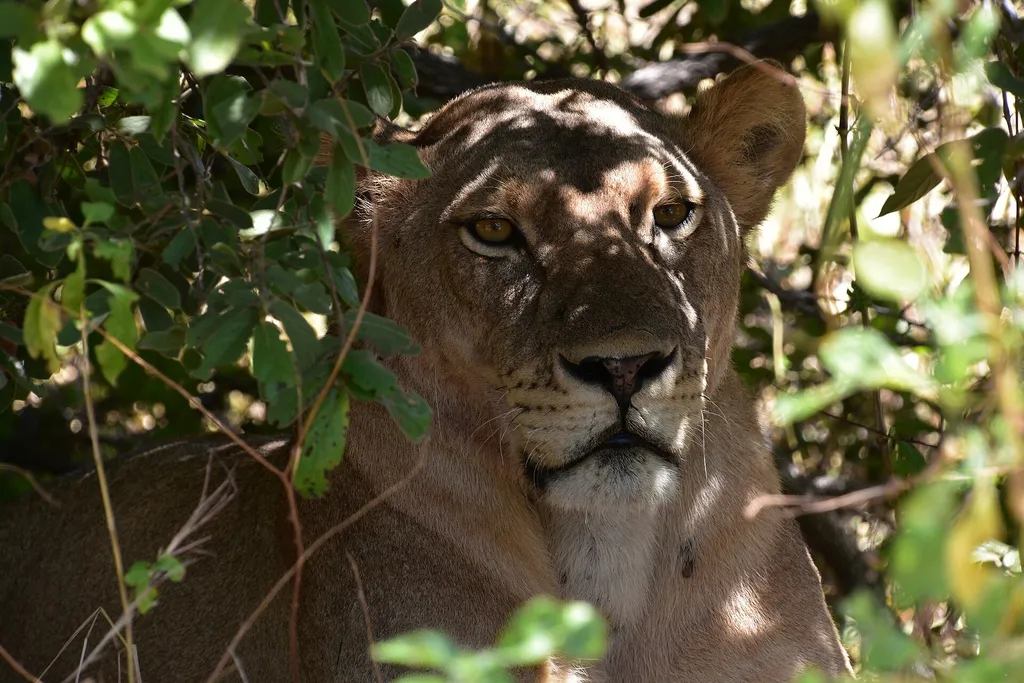
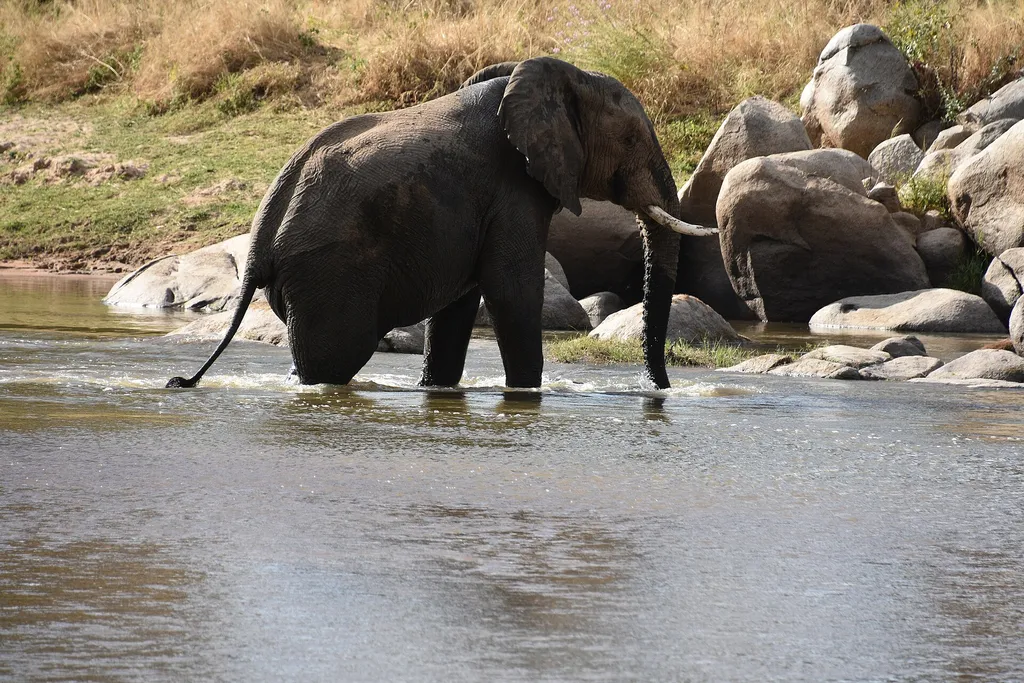
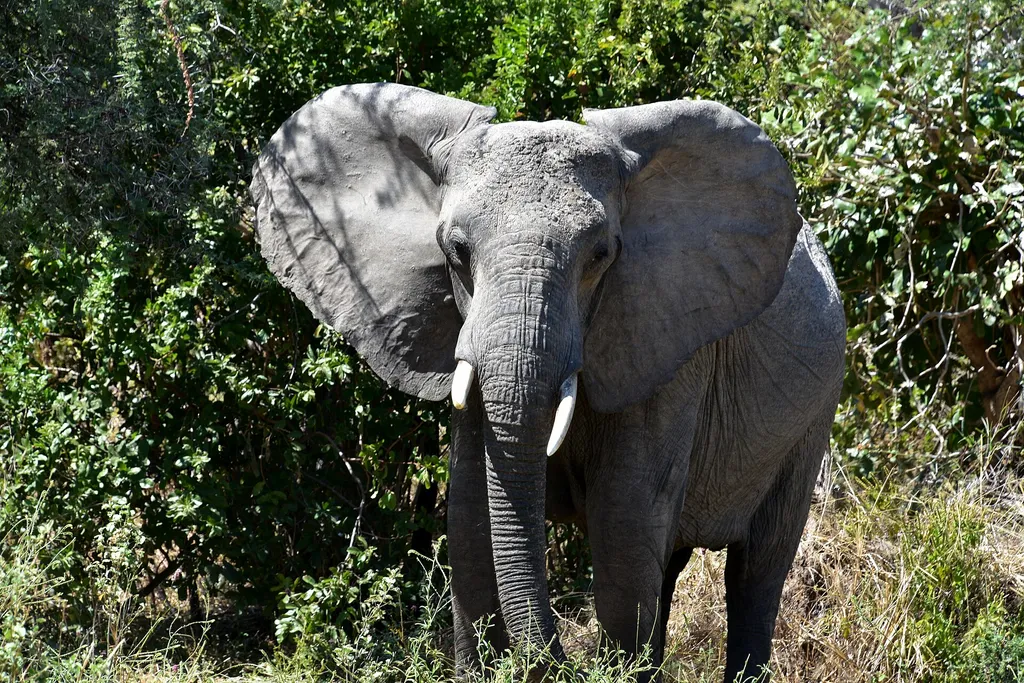
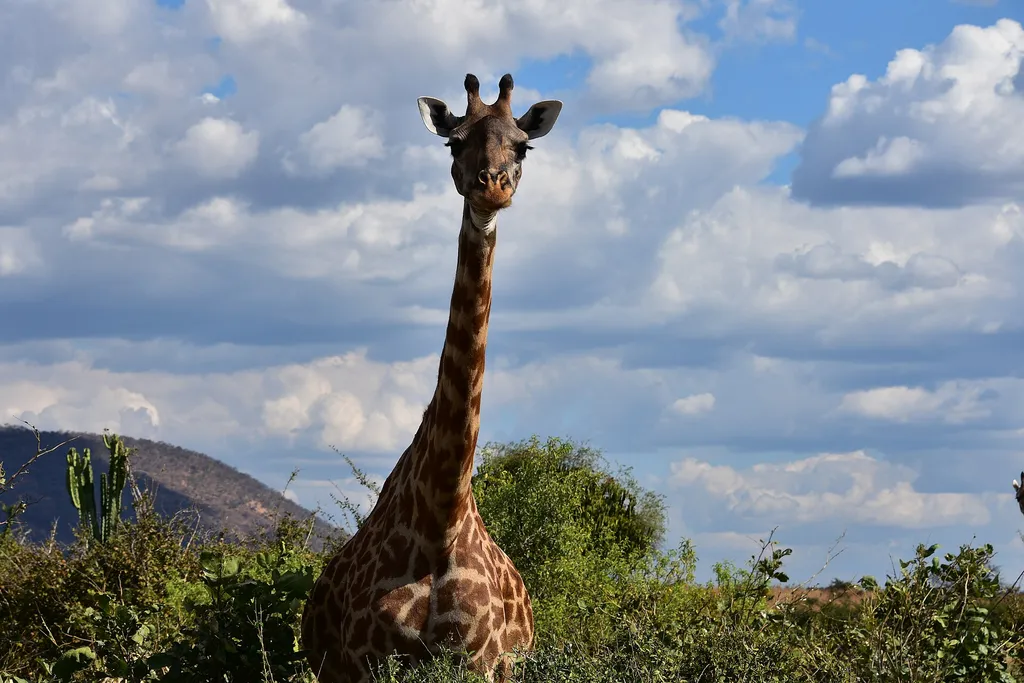
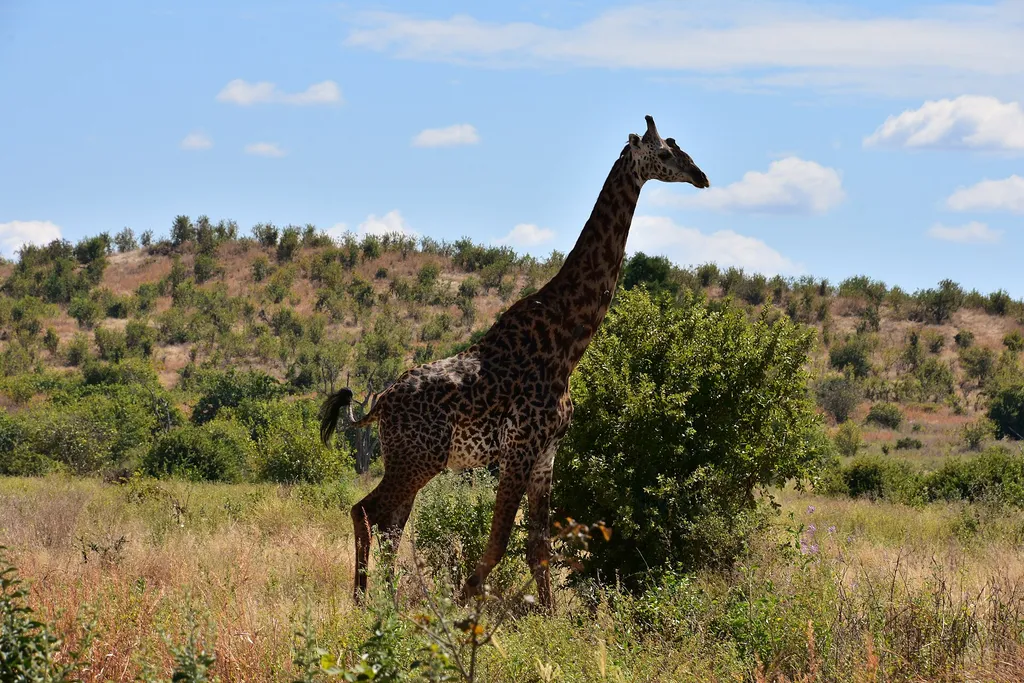
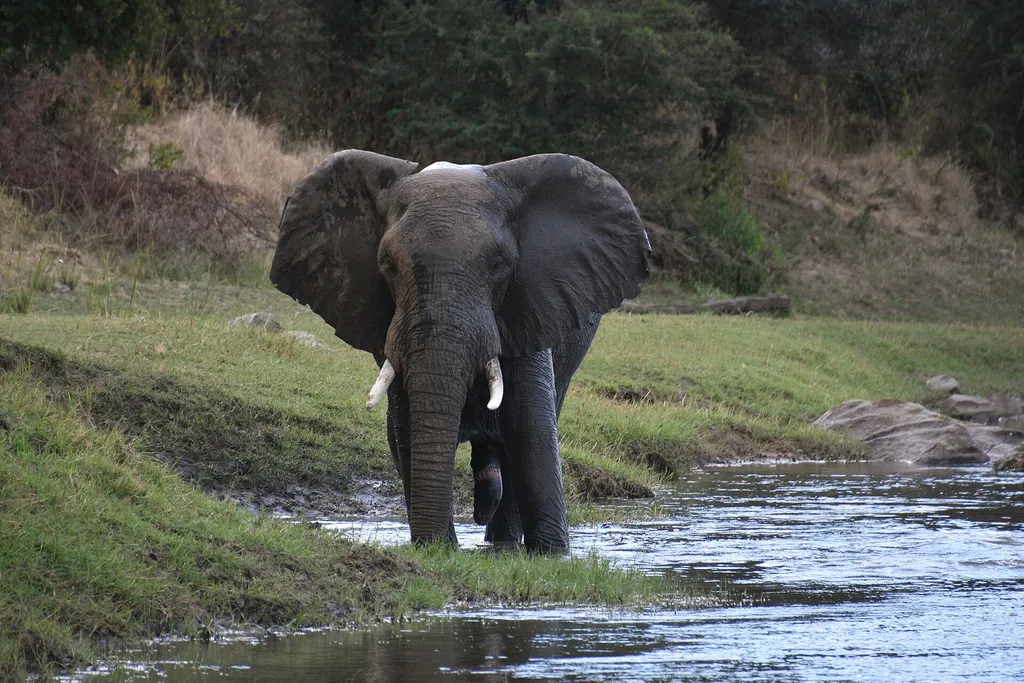
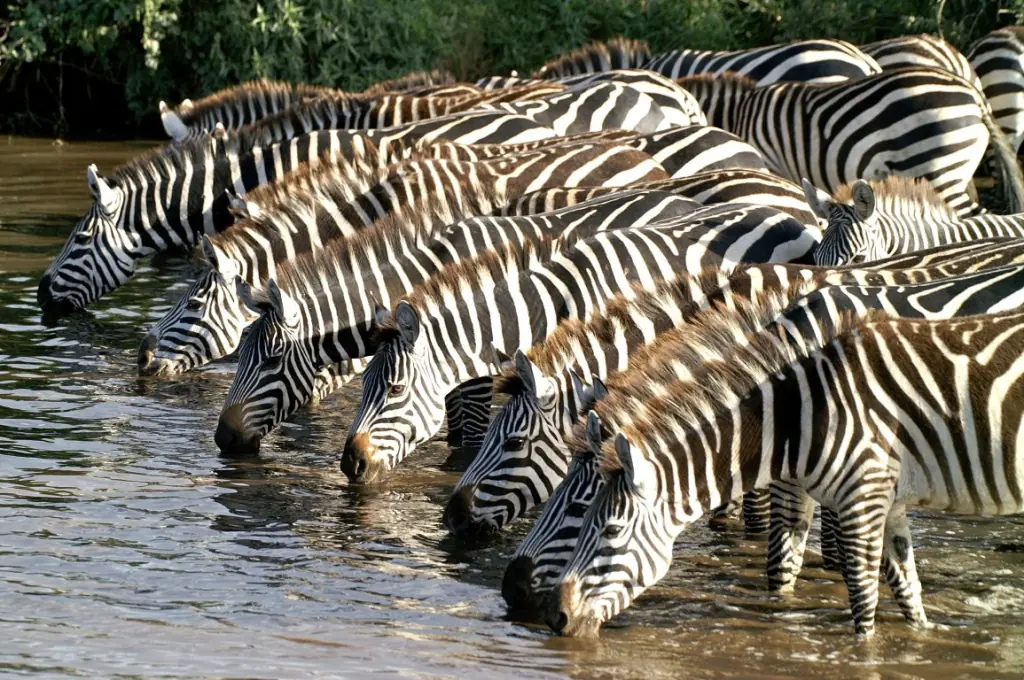
Lions here live in large prides, and seeing them is a regular part of most stays. Elephants gather along the river and dig for water in the dry sand riverbeds. Leopards keep to the thickets and rocky outcrops, cheetahs are seen on the open plains, and African wild dogs pass through from time to time. Ruaha is also one of the few places where you can see both greater and lesser kudu, along with sable and roan antelope, giraffe, zebra and buffalo. Birders will find a long list, from hornbills to eagles and vultures.
- Game drives along the river and out onto the plains
- Walking safaris with an armed ranger, offered by many camps
- Full days out with a picnic lunch to reach the quieter corners of the park
When to go
The dry season, from about June to October, is the classic time. Water shrinks to the river and a few pools, so animals concentrate and are easier to find, and the predators follow them. It gets very hot towards October and November. From December the rains turn the park green, migrant birds arrive and few people visit, though some tracks become hard going. Many camps close in the long rains, roughly April to May. Our Tanzania weather guide gives the detail month by month.
Getting there
Scheduled light-aircraft flights connect Ruaha's airstrips with Arusha, Dar es Salaam and Nyerere, with onward connections to Zanzibar. Driving is possible from Iringa, but Ruaha is a long way from anywhere else by road, so most of our guests fly in and spend their time on safari rather than in a vehicle on the highway.
How it fits your trip
Ruaha and Nyerere make a classic southern pairing. One is dry, rugged and full of predators, the other is built around a river and its lakes, with boats and walking. Fly between them, then finish on the beach in Zanzibar. Ruaha also works well after a Kilimanjaro climb if you want a quieter safari to recover, or as a second chapter after the Serengeti. Because the transfers are by air, three or four nights here makes the journey worthwhile.
Where to stay
Camps and lodges are spread thinly across the park, most of them along the river or near the sand rivers where wildlife gathers. Expect comfortable tents or stone and thatch rooms, shared meals and guides who know the area well. Browse our safari ideas for a starting point, or ask us to shape a southern route around your dates.