Kilimanjaro
The route
2 stops · about 35 km on foot
Drawn from the itinerary below: drives on the main safari roads, flights as dashed arcs, climbs as a dotted footpath. Distances are approximate.
The only hut-to-hut route on Kilimanjaro. Six days up the classic Marangu Route with a full acclimatisation day at Horombo, sleeping in mountain huts rather than tents.
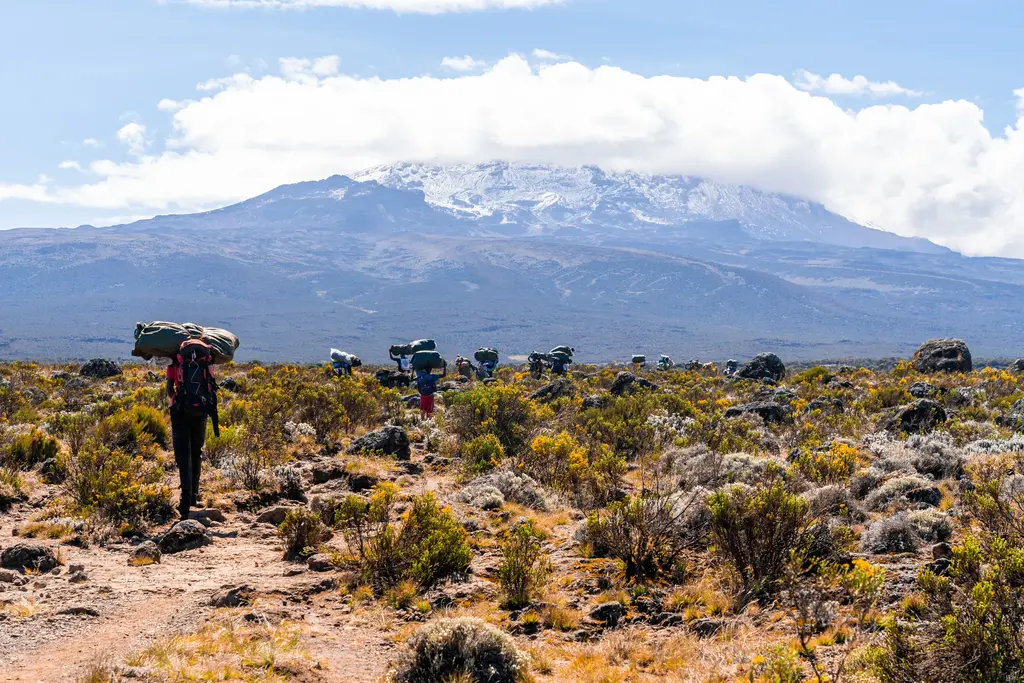
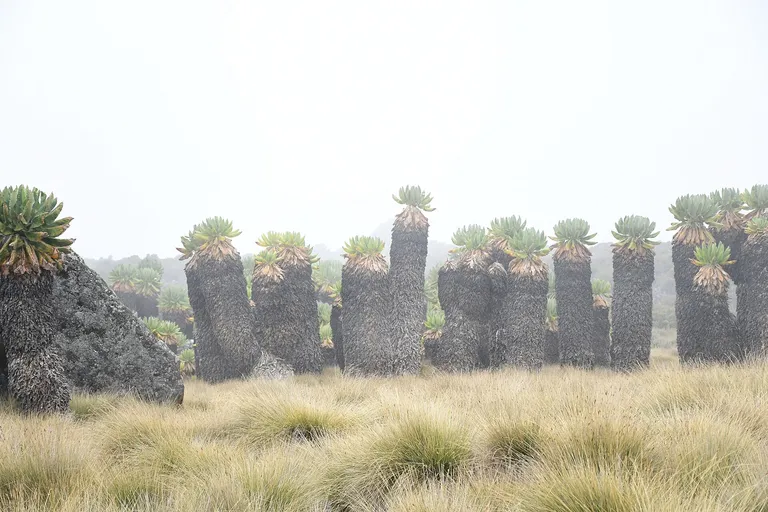
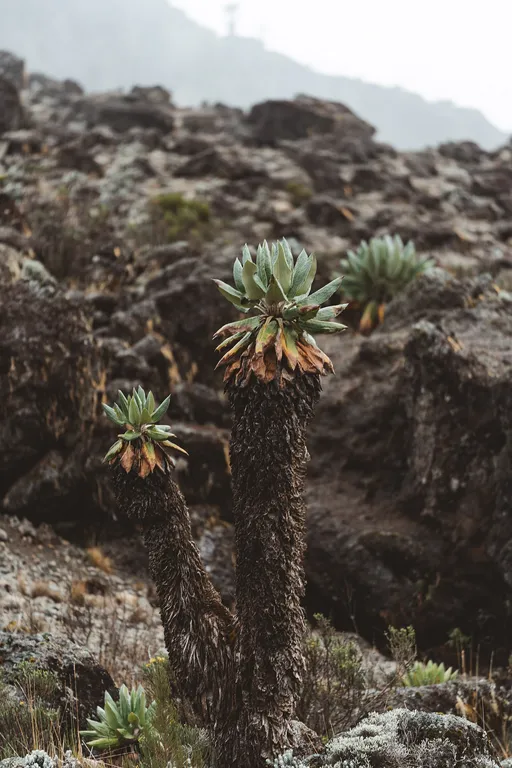
The Marangu route is Kilimanjaro’s most established trail and the only one offering overnight stays in permanent mountain huts. This six-day version builds in a full acclimatisation day at Horombo for a gentler, better-paced ascent through rainforest, moorland and alpine desert, using the same trail for the climb and the descent.
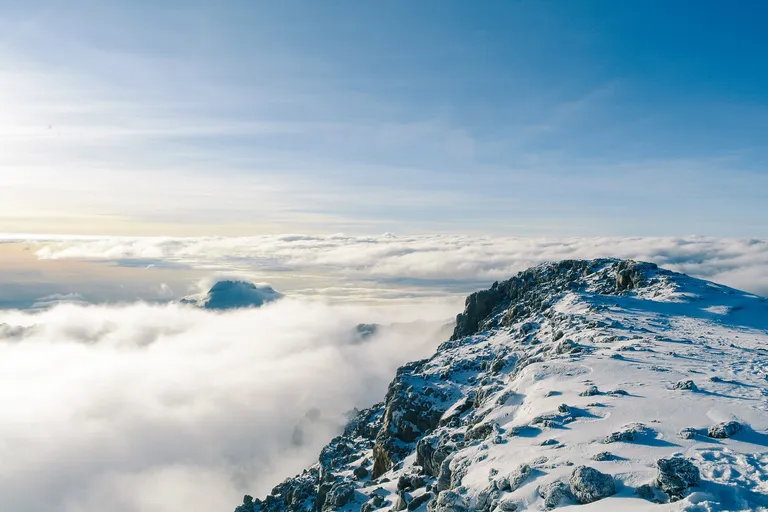
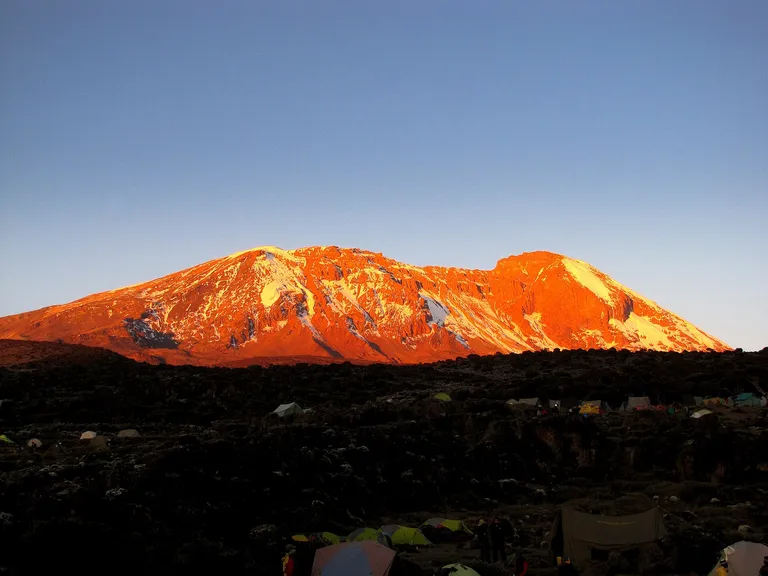
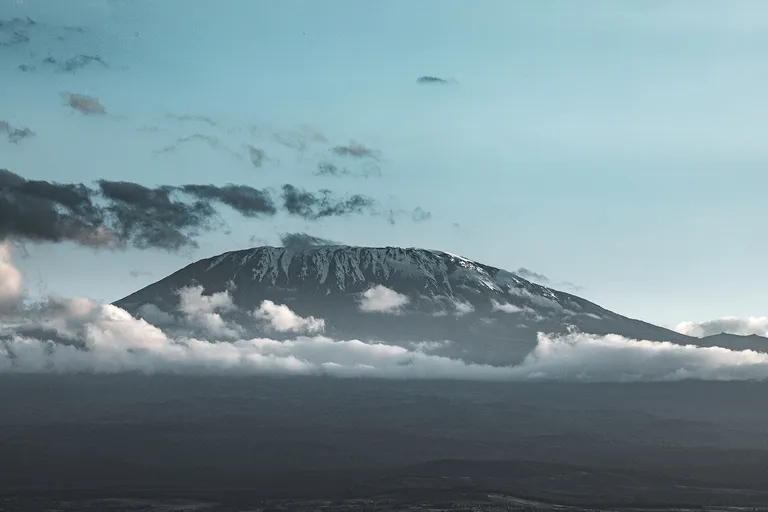
From Kibo Hut the team makes a pre-dawn summit attempt on Uhuru Peak (5,895 m), the highest point in Africa; reaching the summit depends on your acclimatisation, fitness and the conditions on the day.
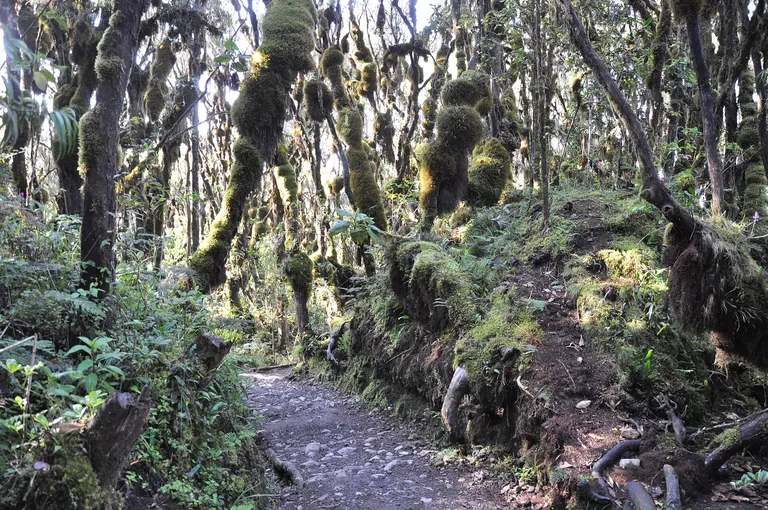
Drive to the Marangu Gate (around 1,970 m) and trek through rainforest to the Mandara Hut. Overnight at Mandara Hut (around 2,720 m).
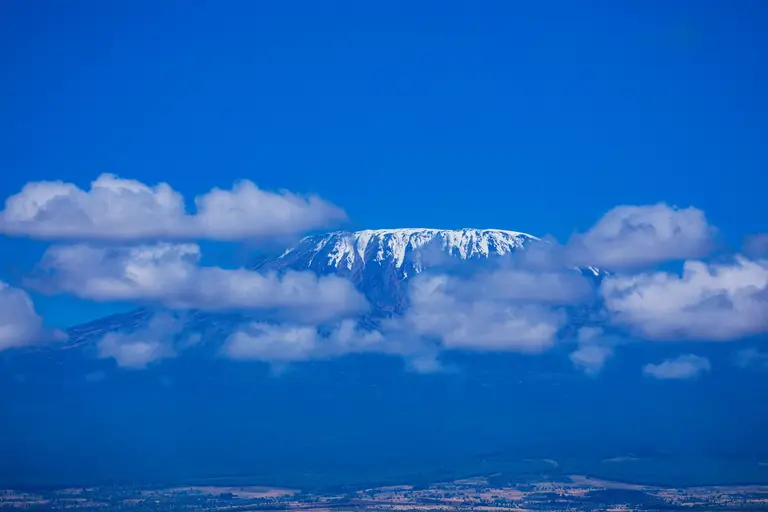
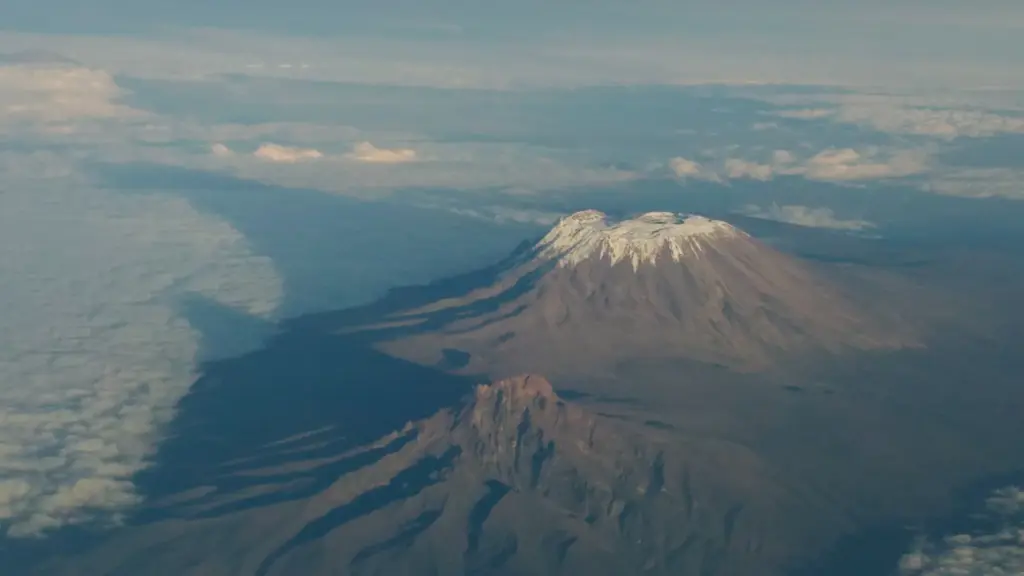
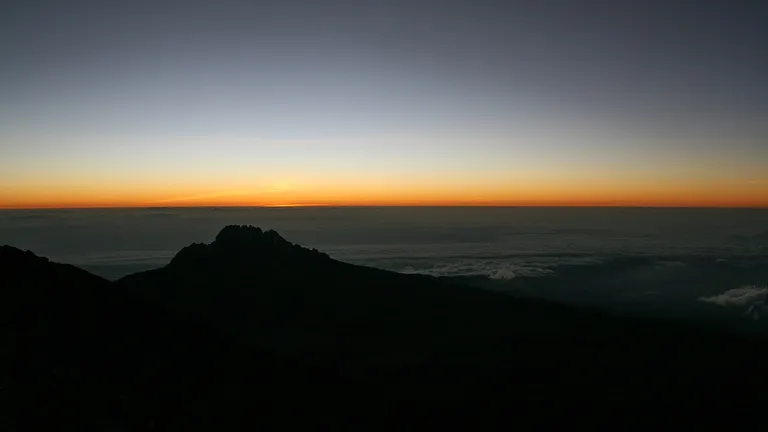
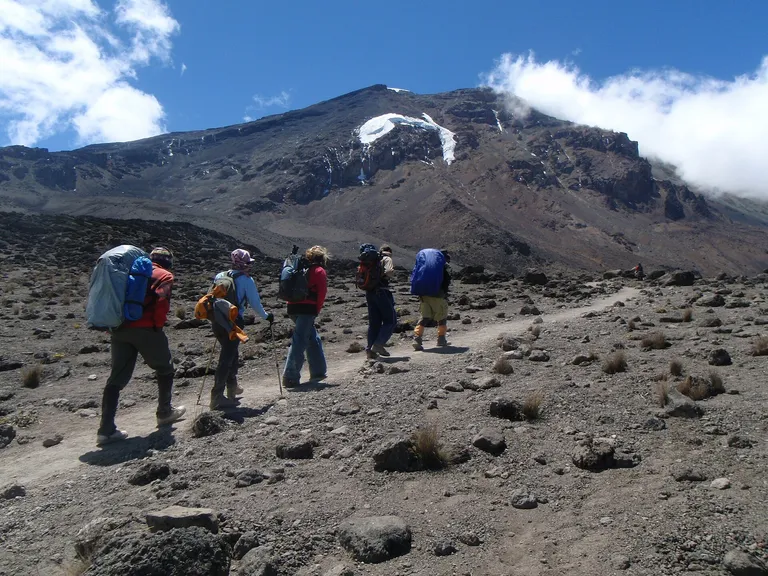
Climb through forest and open moorland with views of Mawenzi and Kibo to the Horombo Hut. Overnight at Horombo Hut (around 3,720 m).
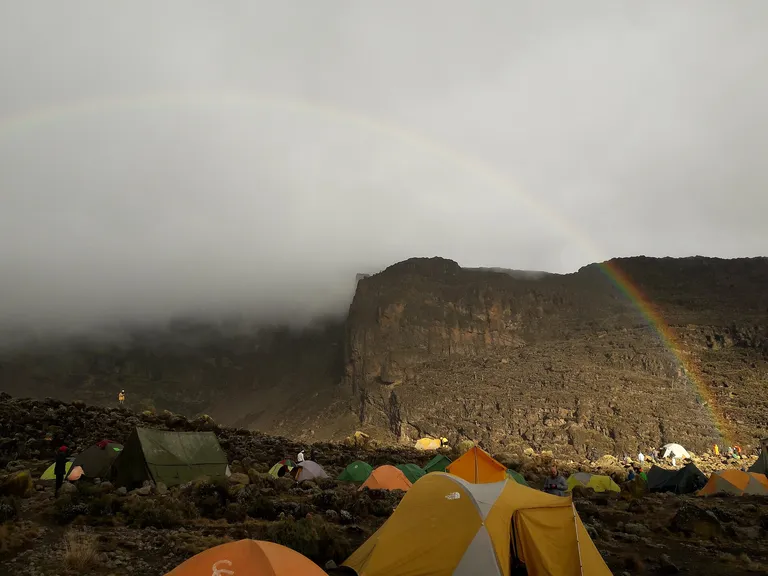
A full acclimatisation day at Horombo, with a short walk to higher ground (around 4,000 m) to help prepare for the summit. Overnight at Horombo Hut (around 3,720 m).
Still atMount Kilimanjaro · Horombo Hut
Cross the alpine desert of the ‘Saddle’ between Mawenzi and Kibo to the Kibo Hut, then rest before the midnight start. Overnight at Kibo Hut (around 4,720 m).
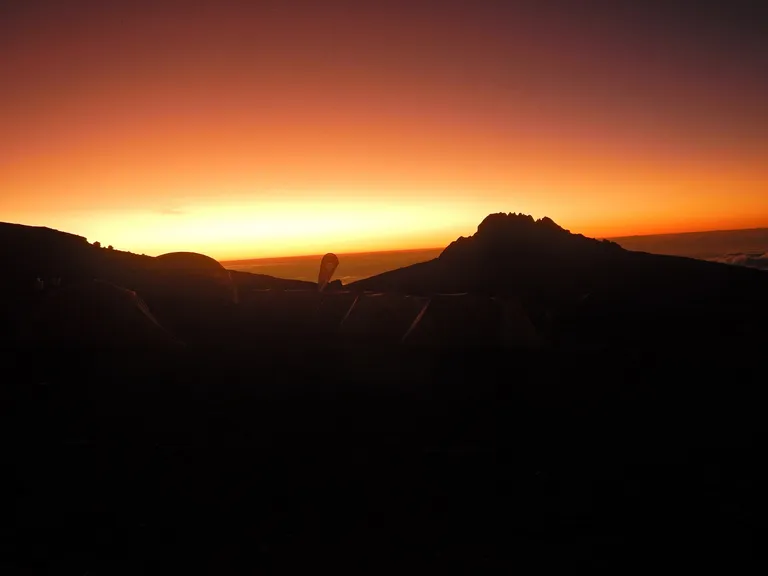
Begin the summit attempt around midnight via Gillman’s Point, aiming for Uhuru Peak (5,895 m), then descend to Kibo and continue to Horombo. Overnight at Horombo Hut (around 3,720 m).
Complete the descent to the Marangu Gate, where you sign the register and receive a summit certificate, then transfer to Arusha.
Every day of this itinerary is tailor-made and can be shaped around your dates, pace and budget. When you are ready, our team handles every detail - you simply arrive and enjoy.
Kilimanjaro is a non-technical trek – no ropes or climbing skills are needed – but it is a serious high-altitude challenge. A good level of general fitness and some hill-walking preparation make it far more enjoyable. Determination matters as much as fitness.
Longer routes (7-8 days) give your body more time to acclimatise and significantly improve your summit chances. We help you choose the route – Machame, Lemosho, Marangu or Rongai – that best fits your experience, budget and time.
Your guides are trained in altitude first aid, monitor you twice daily with pulse-oximeter checks, and carry emergency oxygen. “Pole pole” (slowly, slowly) is the golden rule – a steady pace is the key to summiting safely.
Your climb includes park fees, mountain accommodation, all meals on the mountain, a professional crew (guides, cook and porters) and group equipment. Porters carry your main duffel; you carry only a daypack. We send a full packing list and can arrange gear rental.
The main seasons are January-March (colder, quieter, often clearer) and June-October (dry and popular). We generally avoid the long rains of April-May. Full-moon dates are popular for summit night.
A deposit secures your climb dates and permits; the balance is due before you arrive. Once booked we send a detailed packing list, training tips and pre-departure guidance.
Tell us your dates and what matters most - our team designs every journey by hand and replies within 24 hours, seven days a week.
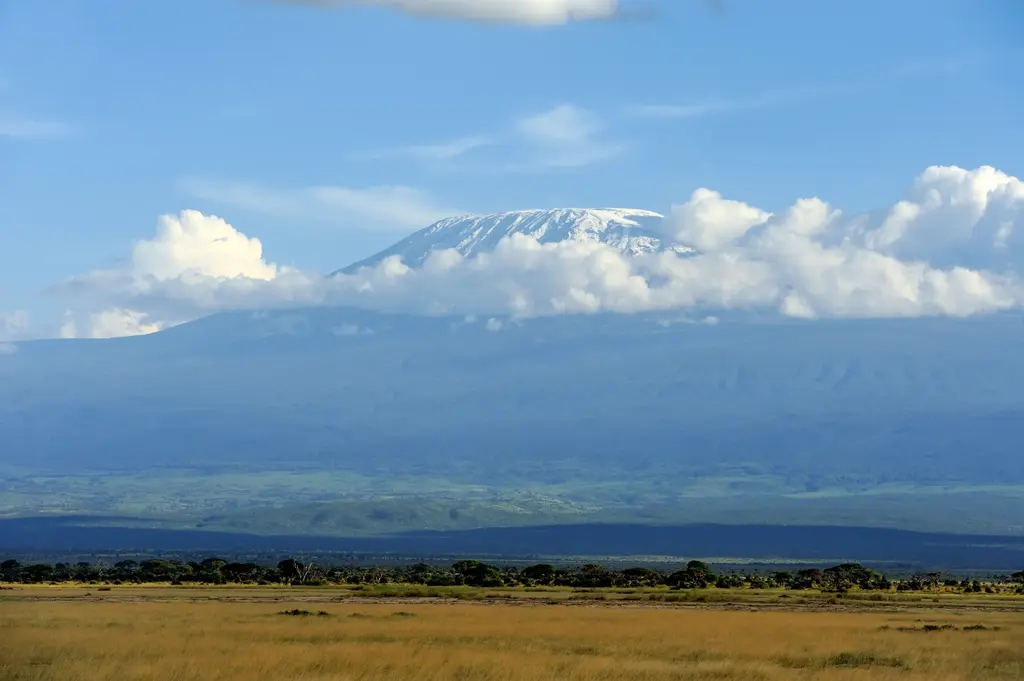
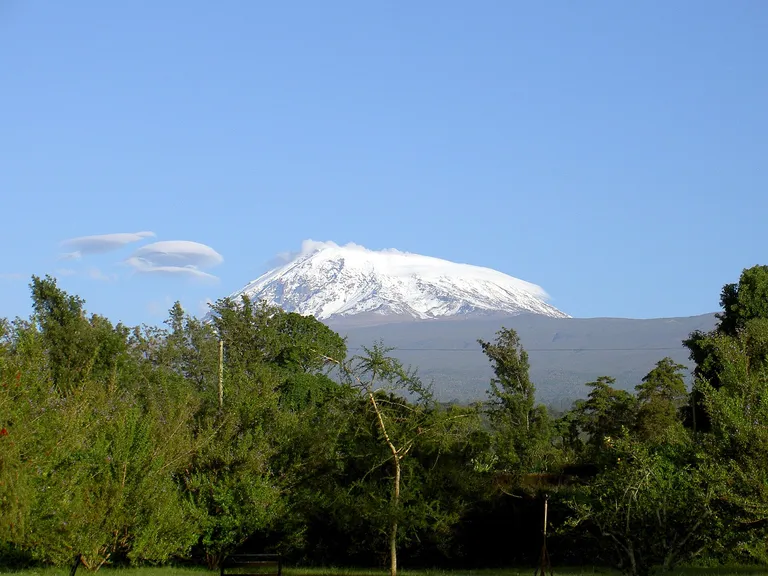
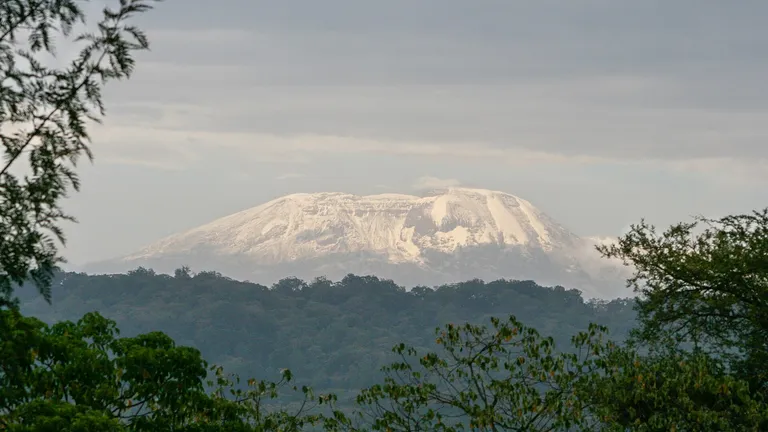
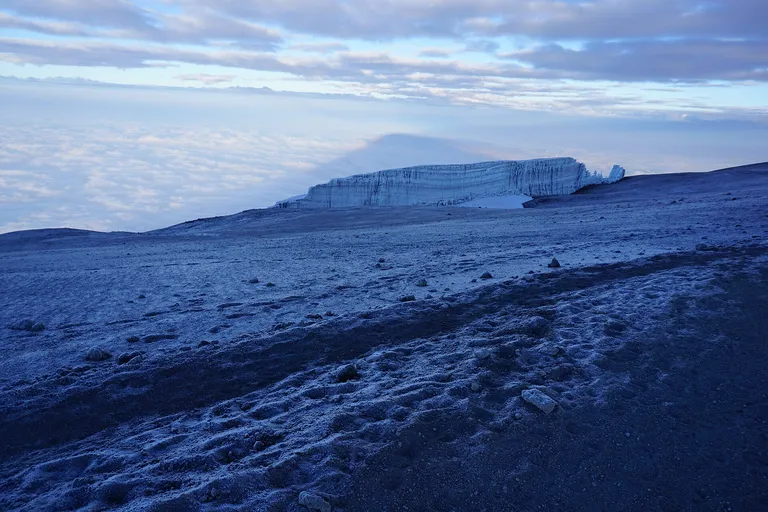
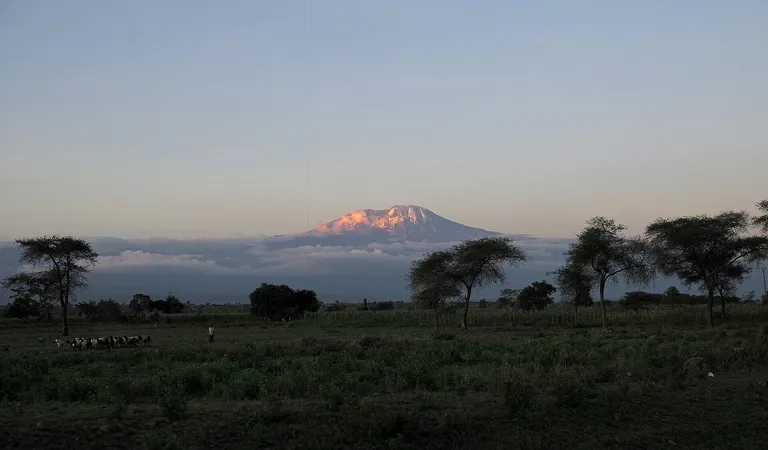
Kilimanjaro has been at the heart of what we do since 2012. At 5,895 m, Uhuru Peak on the Kibo crater rim is the highest point in Africa, and the mountain stands alone above the plains rather than as part of a range. You do not need ropes or climbing experience to reach the top. What you need is enough days, steady walking and a crew who keep the pace slow. Along the way you pass through farmland, rainforest, heather and moorland, high alpine desert and finally the cold, stony summit zone with its glaciers.
The higher you go, the less oxygen there is in each breath, and your body needs time to adjust. Climbing too fast is the main reason people feel unwell on the mountain. So our guides walk slowly, the Swahili pole pole, encourage you to drink plenty of water, and plan routes where you climb higher in the day and sleep lower at night. They check on you every day, and if your health needs it, going down is always the right call. Adding a day to your climb is the single most useful thing you can do.
The main climbing seasons are January to March and June to October, when the weather is drier and clearer. January to March tends to be a little warmer and quieter. June to October is cooler and busier. April, May and November are wetter, though climbs still run. Our Tanzania weather guide has more detail.
Most people who are reasonably fit and walk regularly can reach the summit if they give themselves enough days. You do not need to be an athlete. Training on long hill walks with a daypack in the months before is the best preparation. Summit night is the hardest part, usually starting around midnight so you reach the top near sunrise.
Kilimanjaro International Airport sits between Arusha and Moshi, and the route gates are roughly one to two hours’ drive from Arusha. Many of our travellers climb first, then rest their legs on a private safari and finish on the beach in Zanzibar, from the summit to the sea. Read more about our climbs on the Kilimanjaro page.