
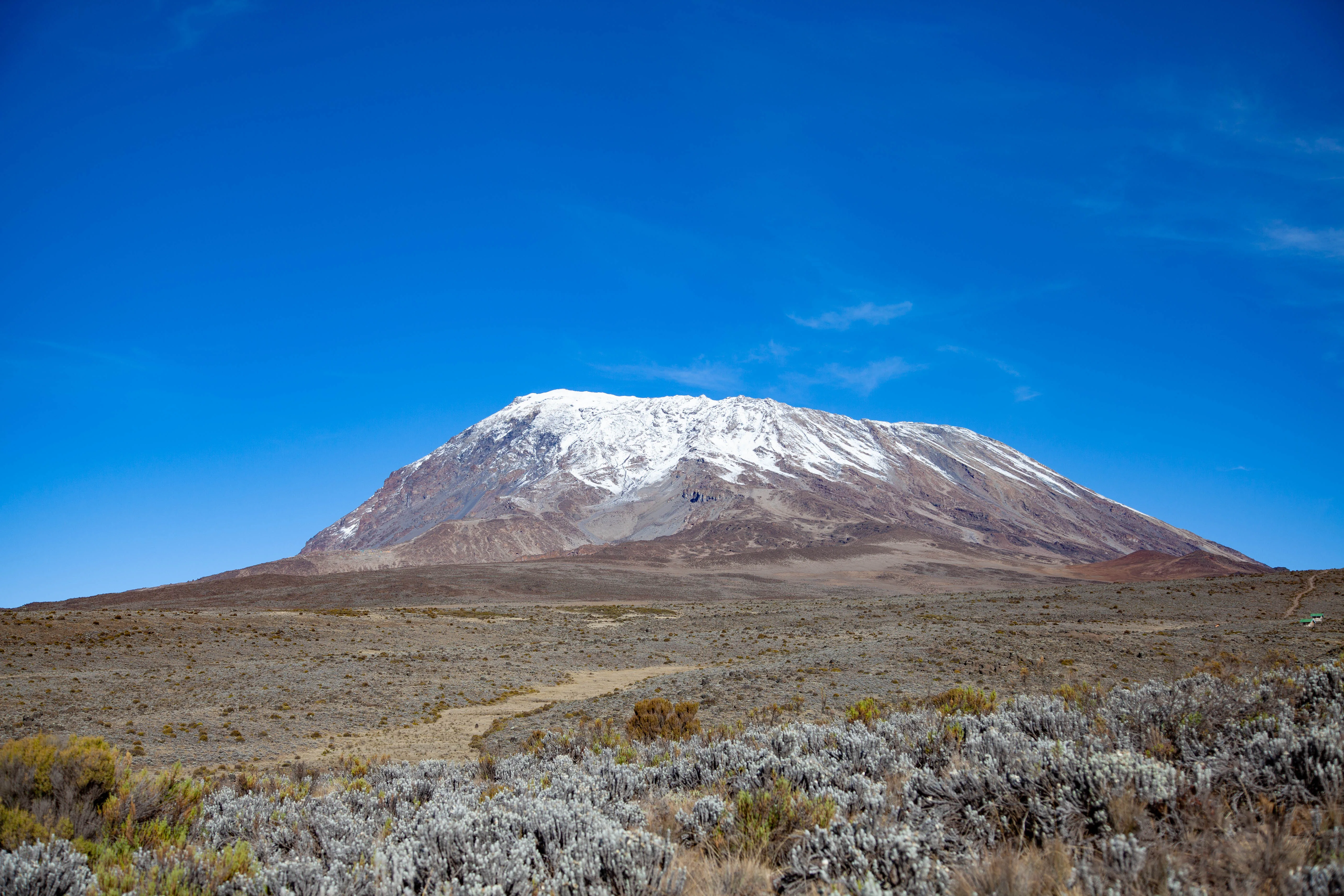
Summit Night on Kilimanjaro: What to Expect and How to Push Through
June 30, 2026 · AfricanX
Summit night is the hardest and most magical part of the whole climb. It asks the most of you, and it rewards you with a sunrise from the roof of Africa. Knowing what is coming makes all the difference.
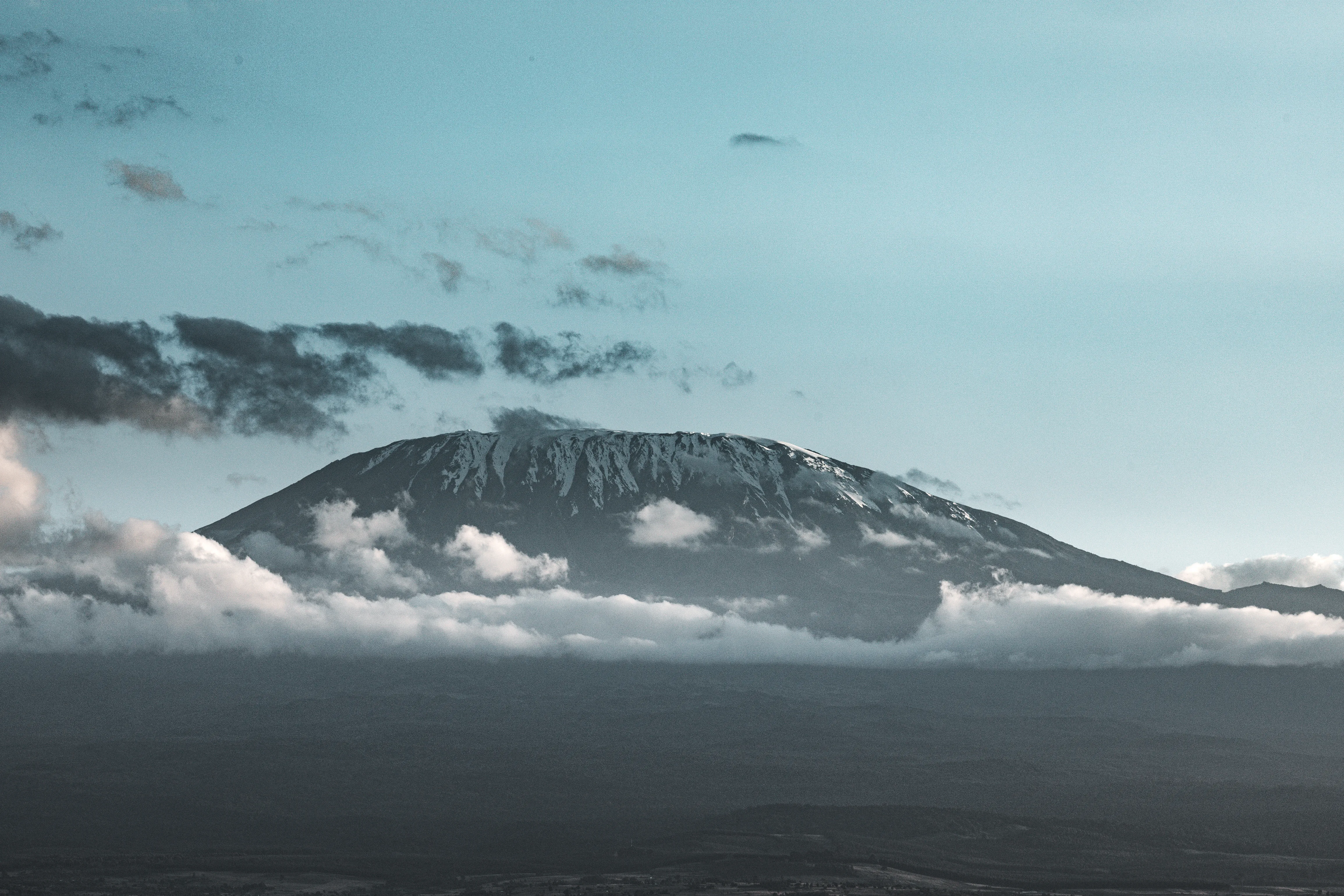
Why you start at midnight
Most climbers leave base camp around eleven at night or midnight. Starting in the dark means you reach the crater rim for sunrise, the scree is frozen firm and easier to walk, and, honestly, you cannot see quite how far the summit is, which helps the mind. You climb by headtorch in a slow line of small lights.
What it feels like
The final push to Uhuru Peak takes roughly six to eight hours up and several more back down. It is cold, often well below freezing, and the thin air makes every step deliberate. This is where pole pole matters most. You walk slowly, breathe steadily, and focus on the small circle of light at your feet.
Reaching Uhuru Peak
You pass Stella Point on the crater rim, then follow the gentler final stretch to Uhuru Peak at 5,895 metres, the highest point in Africa. The famous green sign, the glaciers and the sunrise over the clouds are a reward few ever forget. Photos are quick, because you cannot linger long at altitude.
How to get through it
- Keep water in an insulated bottle or thermos so it does not freeze.
- Snack on simple, high-energy food you know you can stomach.
- Layer up fully before you leave, and keep summit gloves and spare batteries warm inside your jacket.
- Trust your guide and your training, and take it one step at a time.
Our experienced summit guides set the right pace, watch your health closely and know exactly when to encourage and when to slow down. Prepare well, respect the mountain, and that sunrise from the top is within your reach.