
Altitude on Kilimanjaro: How Acclimatisation Really Works
June 6, 2026 · AfricanX
Kilimanjaro is not a technical climb. You do not need ropes, crampons or previous mountaineering experience. The real challenge is altitude, and understanding how your body adapts is the key to reaching the summit safely.
What altitude does to you
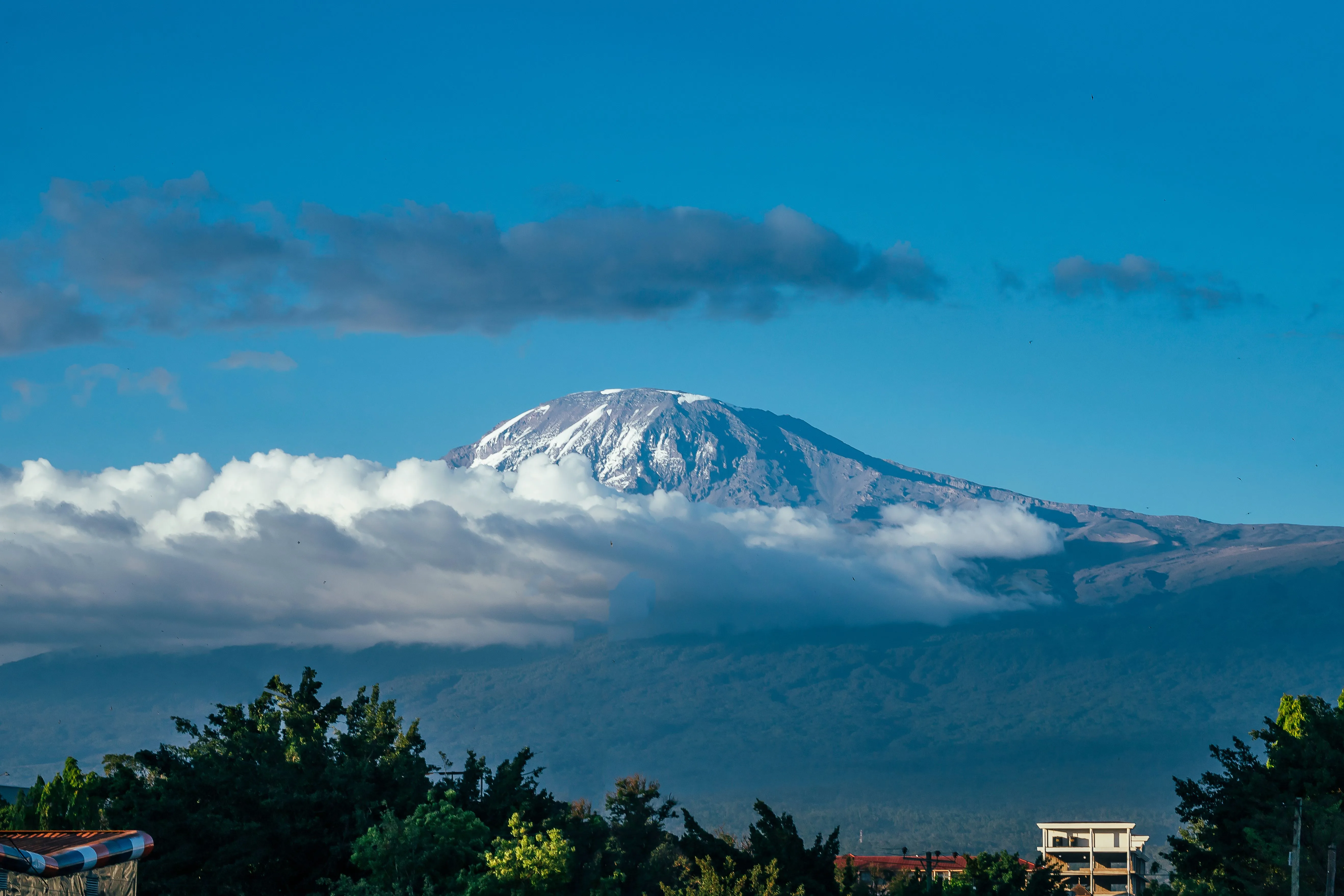
As you climb, the air pressure drops and each breath delivers less oxygen. By the summit at 5,895 metres, there is roughly half the oxygen available at sea level. Your body responds by breathing faster and producing more red blood cells, but this adaptation takes time. Rush it and you risk altitude sickness.
Climb high, sleep low
The golden rule of acclimatisation is to gain altitude during the day and then sleep at a lower point. Good routes are designed around this principle, which is why an extra day or two on the mountain makes such a difference to your success and your comfort.
Recognising altitude sickness
Mild symptoms are common and manageable: headache, tiredness and poor sleep. The word to remember is pole pole, Swahili for slowly slowly. Watch for warning signs that mean you must descend:
- A headache that will not clear with rest and water.
- Persistent nausea or vomiting.
- Loss of coordination or confusion.
- Breathlessness at rest.
How to prepare
- Choose a longer route with a gradual profile.
- Walk slowly and deliberately, even when you feel strong.
- Drink three to four litres of water a day.
- Eat well, even when your appetite fades.
- Talk to your doctor about acetazolamide, which can aid acclimatisation.
Our guides are trained in altitude first aid and carry oximeters and emergency oxygen on every climb, monitoring your health twice a day. Respect the altitude, go slowly, and give your body the days it needs.