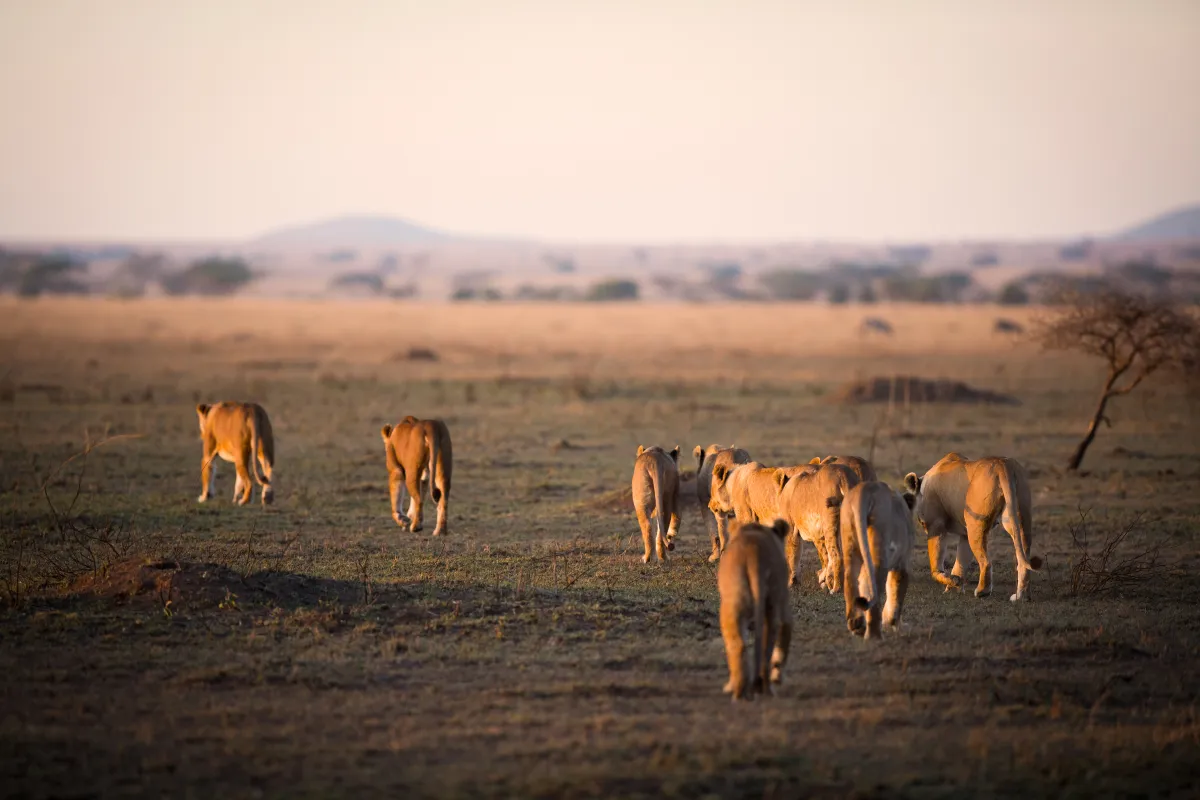
The greatest wildlife show on earth
From the endless plains of the Serengeti and the drama of the Great Migration to the wildlife-packed floor of the Ngorongoro Crater, Tanzania is Africa's finest safari country. We craft private, tailor-made safaris - from budget camping to luxury lodges - guided by expert local drivers who were born to this landscape.
Choose your kind of safari
From classic wildlife drives to private, family and honeymoon journeys - every safari is tailor-made to how you like to travel.
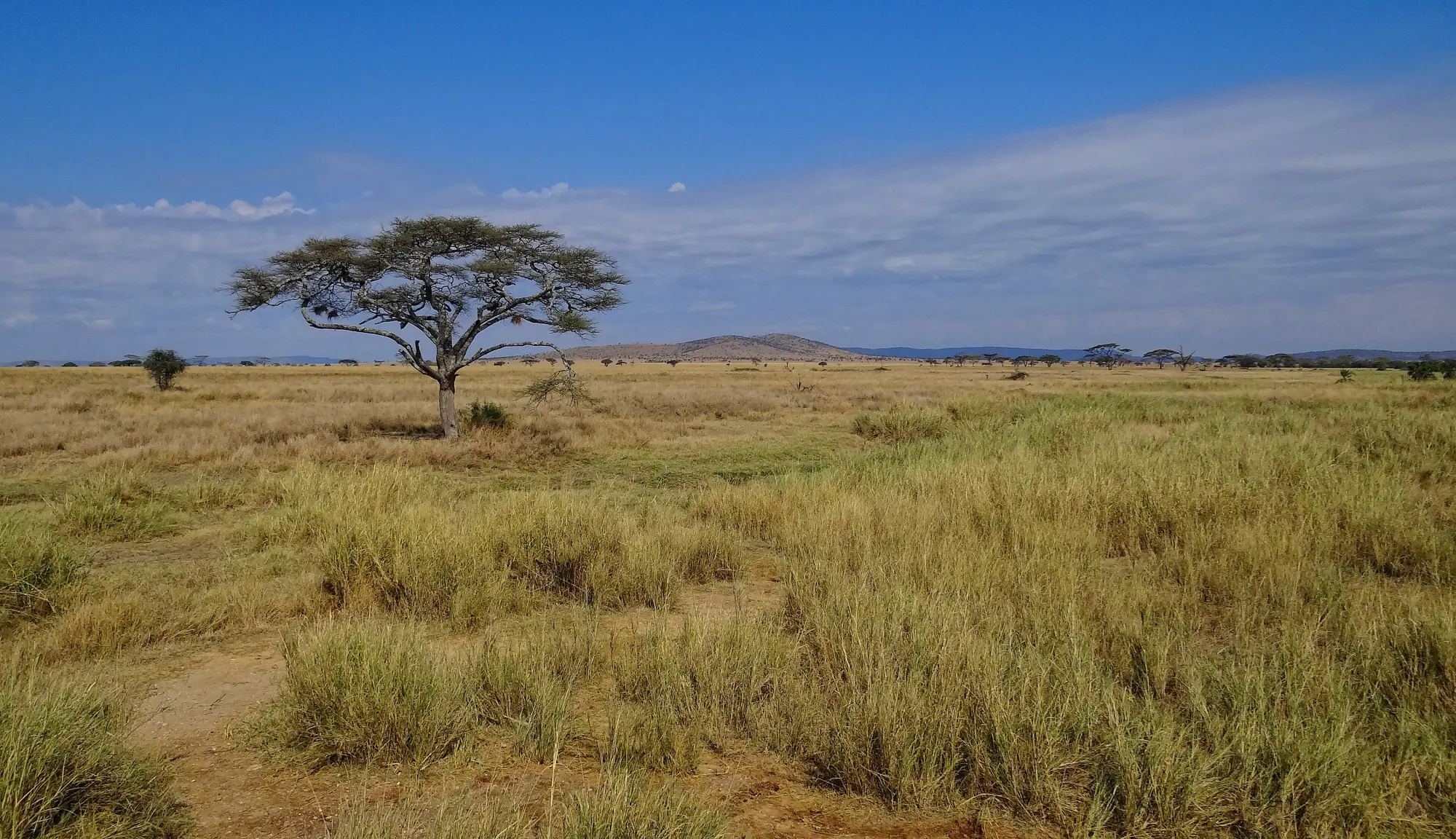
Private Safari
Private, guided and built around you. Explore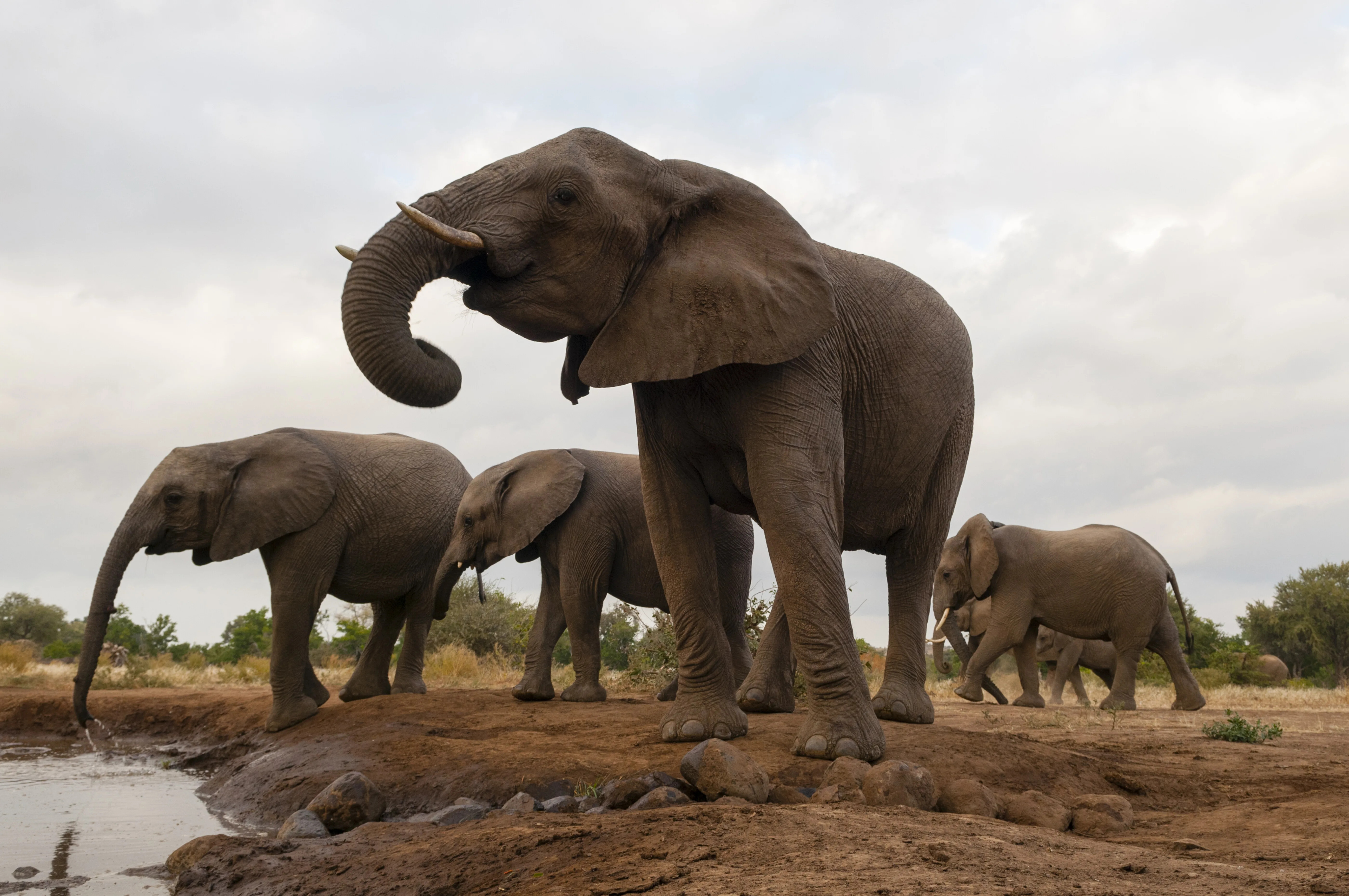
Luxury Safari
Private, guided and built around you. Explore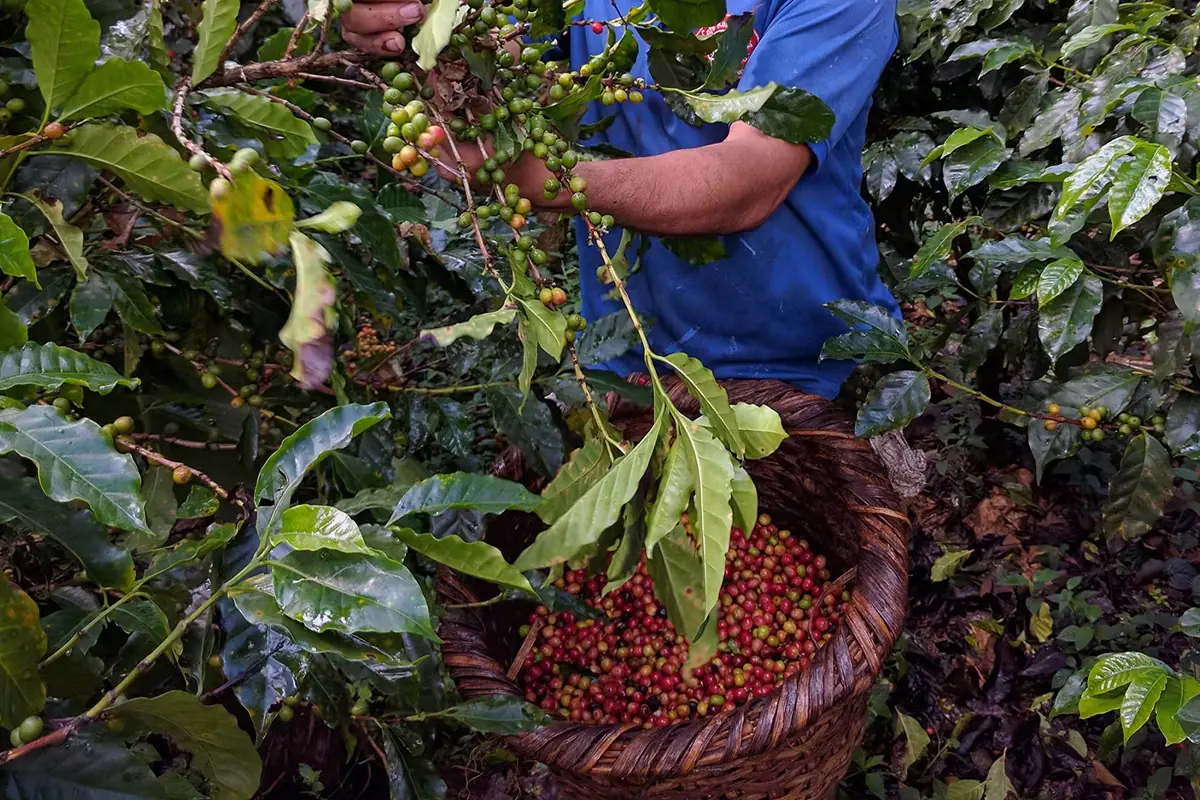
Day Trip
Private, guided and built around you. Explore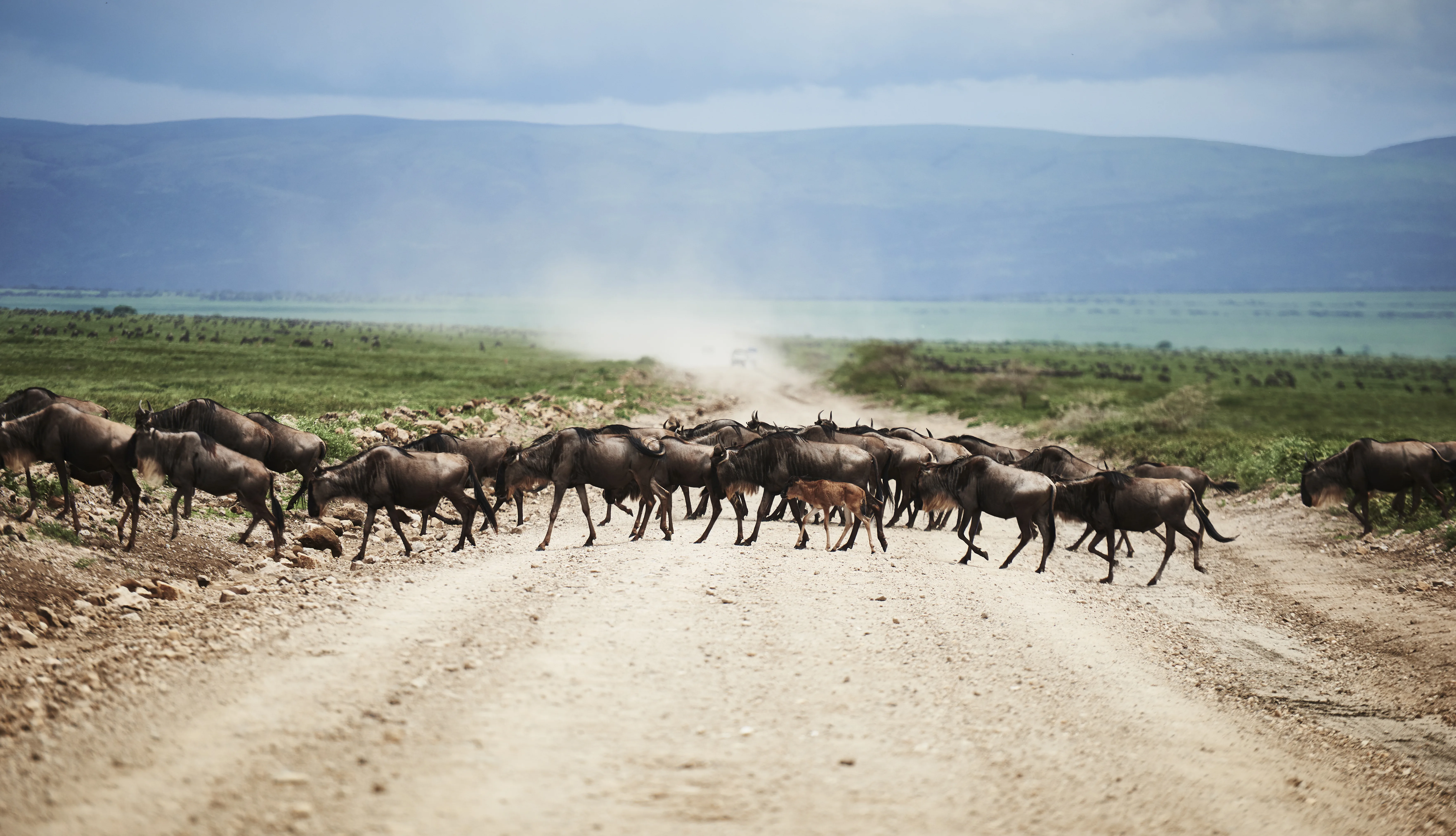
Great Migration Safari
Private, guided and built around you. Explore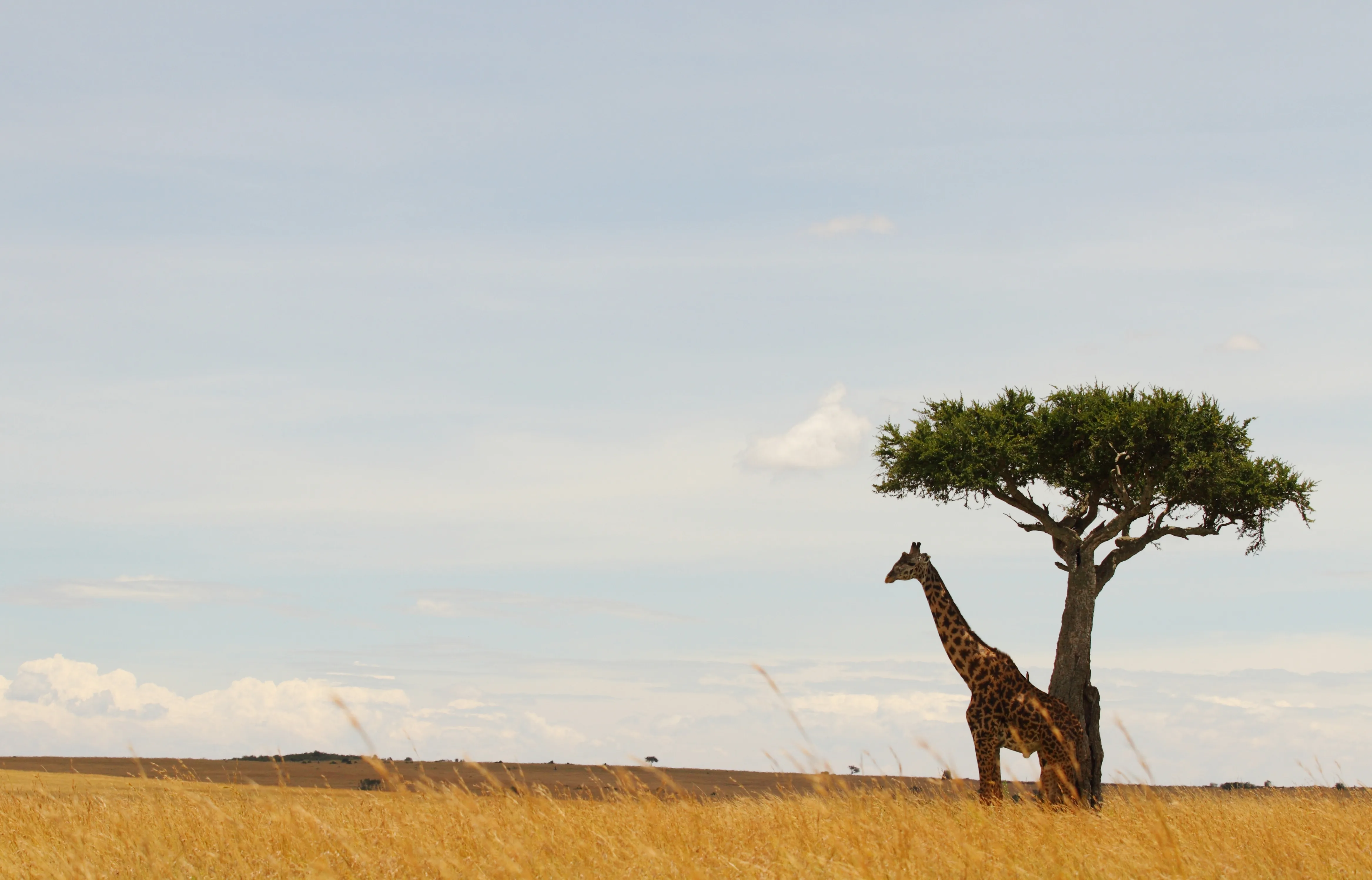
Family Safari
Private, guided and built around you. Explore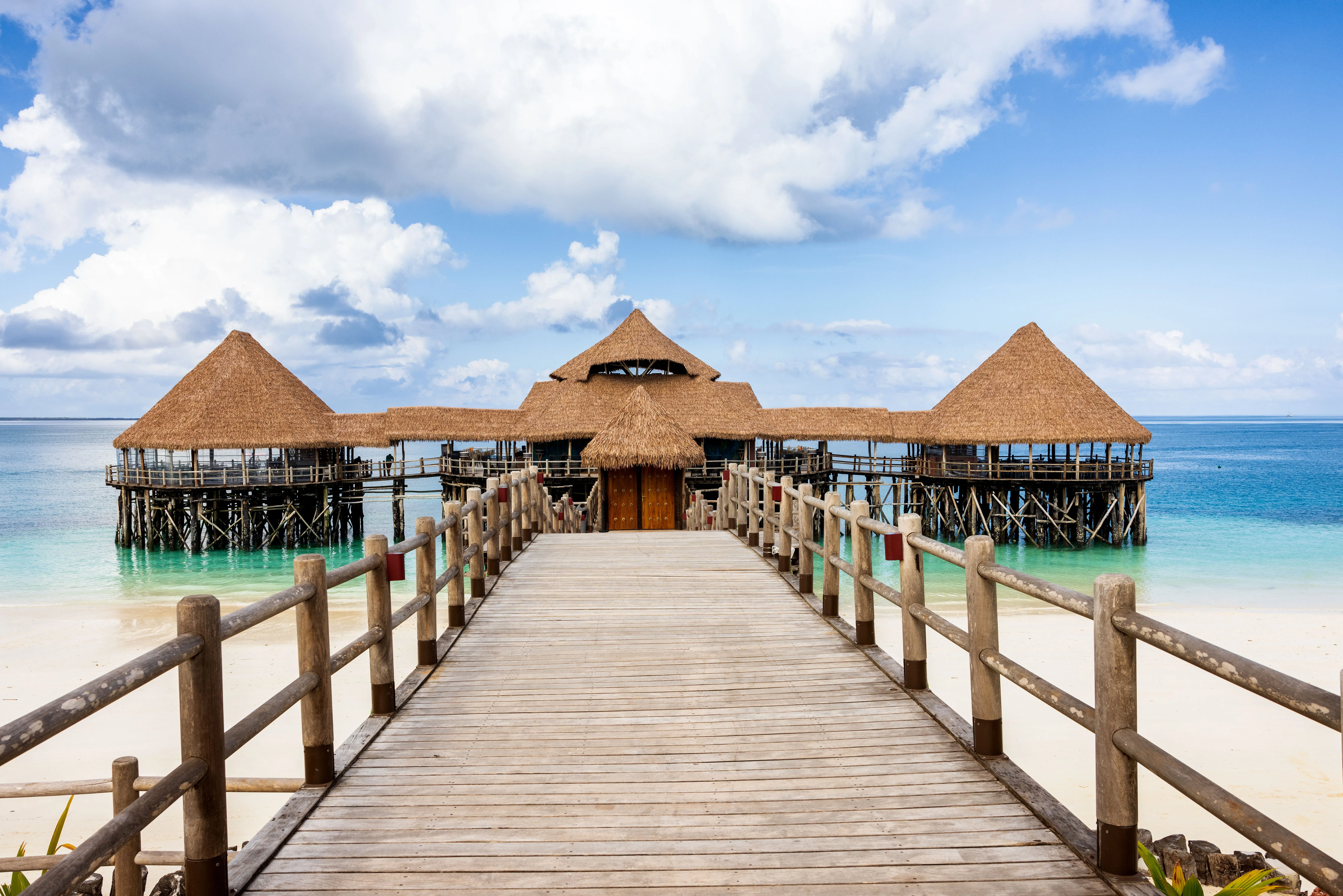
Honeymoon Safari
Private, guided and built around you. ExploreTravel in your style
From handpicked lodges to premium luxury - we match the camps, comfort and pace to how you like to travel.
More than the plains
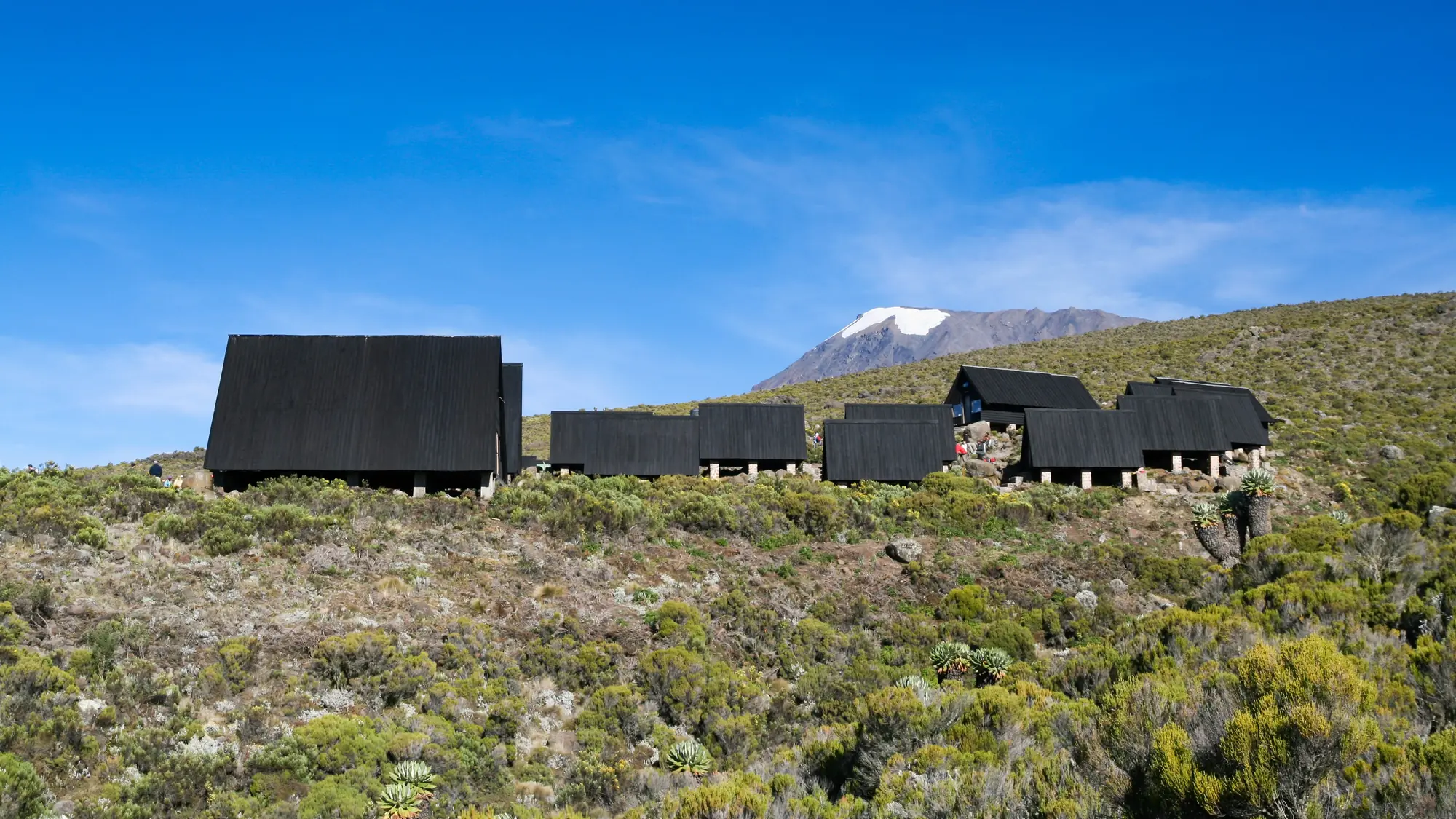
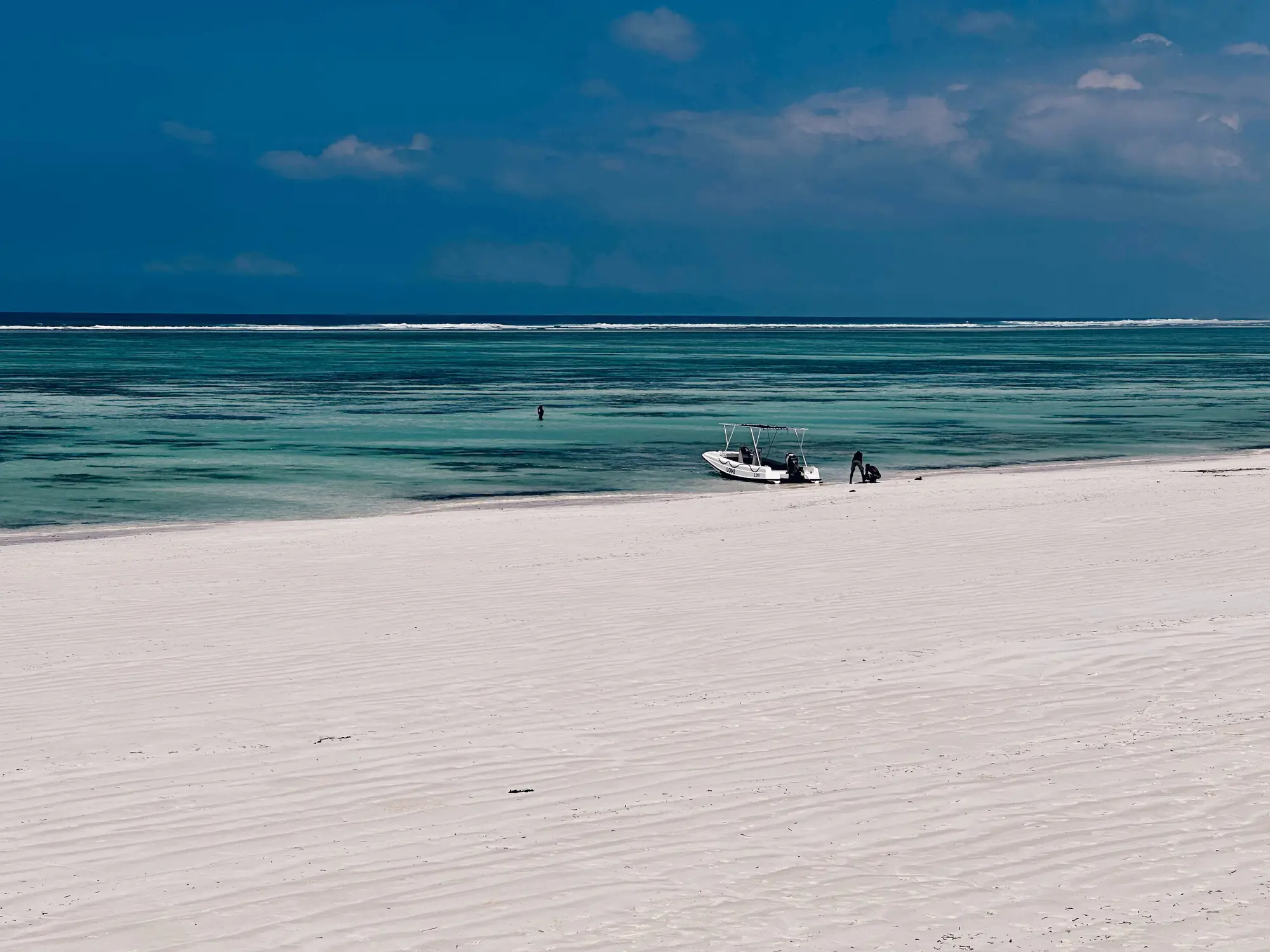
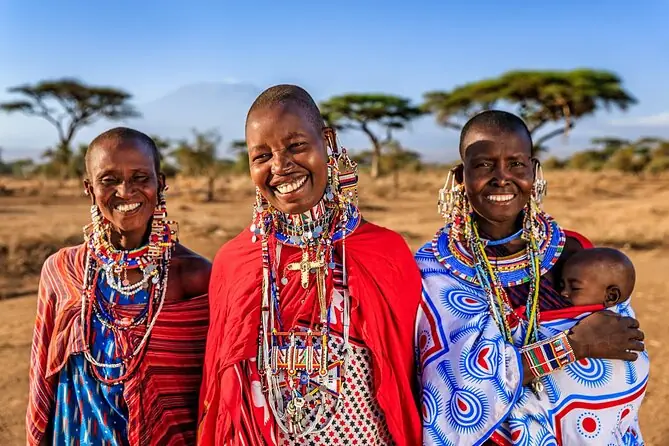
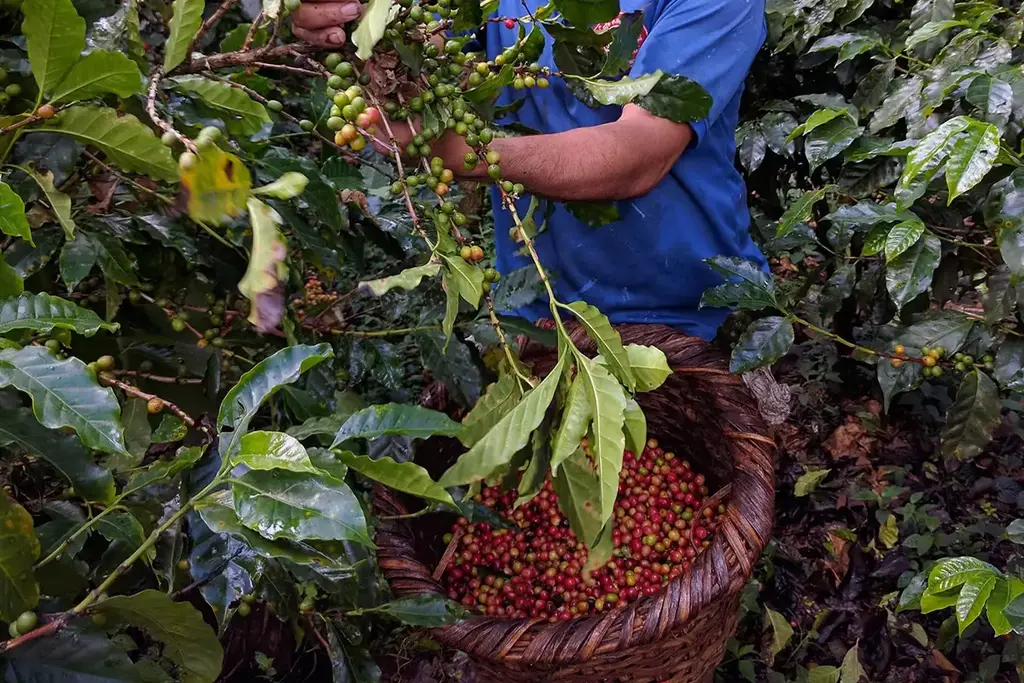
Safari, beach, trekking and culture - combine the experiences that make your Tanzania trip unmistakably yours.
How a Tanzania safari actually works
Most first-time visitors plan a safari around the animals. People who have done it before plan it around the driving.
The northern circuit
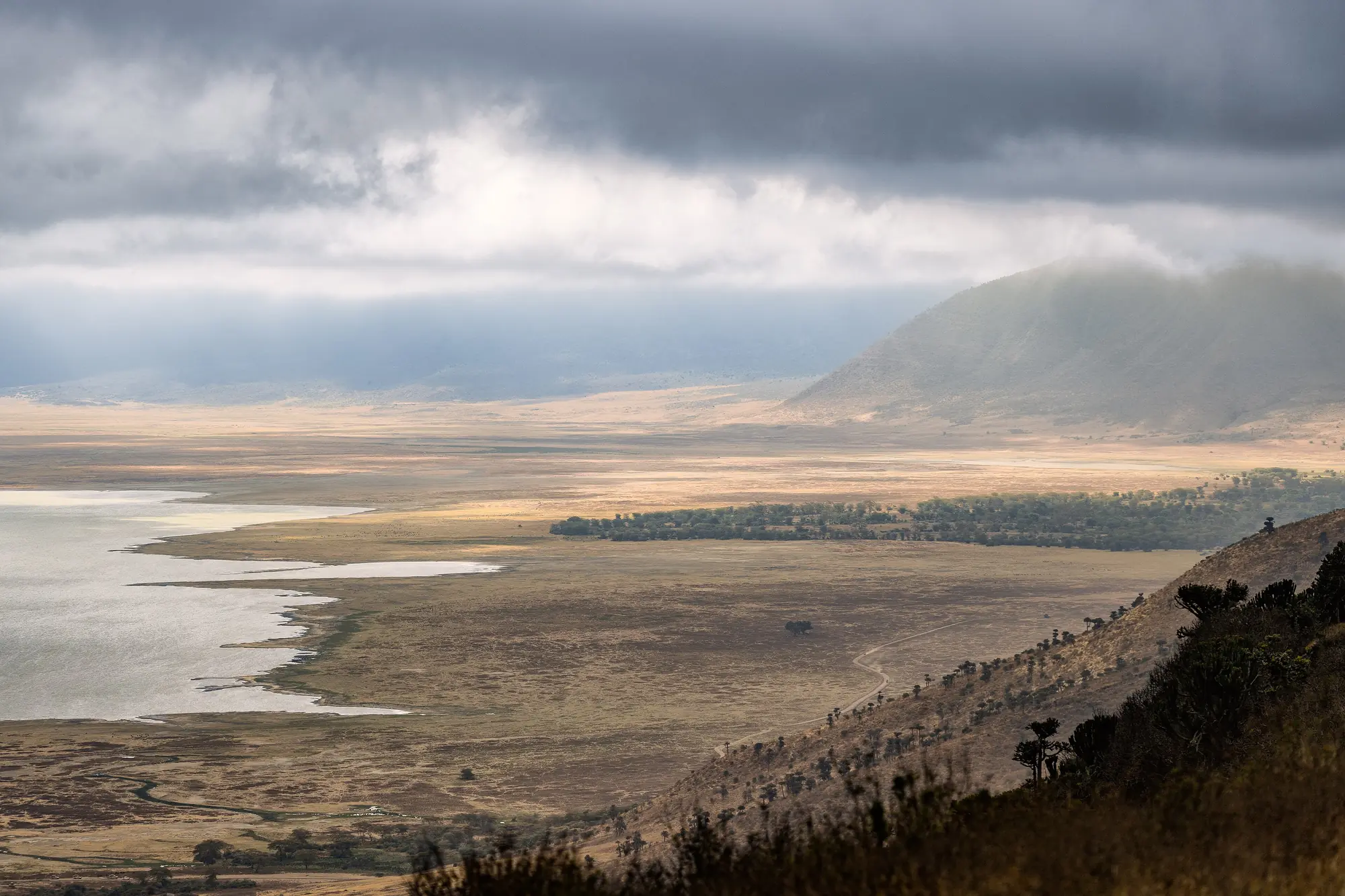
Nearly every safari from Arusha follows the same four parks, and they are strung out along one road heading west. Tarangire comes first, an hour or two out, known for elephant herds and baobabs. Lake Manyara is a short, dense park below the Rift Valley escarpment. Then the Ngorongoro Crater, a collapsed caldera holding a resident population you can see in a single morning. The Serengeti lies beyond it, and it is big - the drive from the crater rim to the central plains takes most of a day.
That geography is the whole planning problem. The further west you go, the more you see, and the more of your holiday you spend in a vehicle getting there.
How many days you actually need
Three days is enough for Tarangire, Manyara and the crater without rushing. It is a real safari, and for a lot of people it is the right one.
Reaching the Serengeti properly takes six to eight. Anything that promises the Serengeti in four is either flying you in or spending two of those days on the road - both are legitimate, but you should know which one you are buying before you pay.
Beyond eight days you can add the quieter parks, or trade the long drive for a short flight and keep the days for wildlife instead of transit.
Driving or flying between parks
Driving is cheaper, shows you the country between the parks, and keeps the same vehicle and guide with you throughout. Flying costs more and skips the scenery, but it buys back a day or more of game viewing on longer itineraries. A common compromise is to drive out and fly one leg of the return. If you are short on days rather than budget, that is usually the trade worth making. There is a longer breakdown of which parks earn their place in our honest guide to planning a northern circuit safari.
What actually shapes the price
Two quotes for the same route can differ by thousands of dollars. Almost always, it comes down to five things - and none of them is how good the company is at marketing.
- Park and conservation fees. These are set by the government, charged per person per day, and are the same for every operator. On a Serengeti and Ngorongoro itinerary they are a large share of the total before anyone has made a shilling.
- The vehicle and the guide. A private vehicle with a guide who knows the parks costs more than a seat in a shared one. This is the line that most affects what you actually see in a day.
- Where you sleep. The single biggest variable. Public campsites, mid-range lodges, tented camps inside the parks and premium lodges can differ several times over for the same route and the same days.
- When you travel. High season costs more, and the same lodge can change price substantially between June and April.
- How many share the vehicle. Fixed costs split across four people look very different from the same costs carried by two.
We itemise all five in your quote rather than giving you one number, so you can see exactly where your money is going and change the parts you want to change. If a quote you are comparing is dramatically cheaper, it is worth asking which of the five it cut - the honest answer is usually the accommodation tier, the vehicle, or the crew's wages.
When to go
There is no closed season in northern Tanzania. There is only a trade between wildlife density, crowds, green landscapes and price.
June to October - the dry season
The classic window. Vegetation thins, water sources shrink and animals concentrate where you can find them. It is also when the Mara River crossings usually happen in the northern Serengeti, and when the parks and the prices are at their busiest.
January to March - the calving
The migration herds are on the southern plains around Ndutu and hundreds of thousands of calves are born within a few weeks of each other. Predator activity is at its most intense of the year, and there are far fewer vehicles than in August.
April and May - the green season
The long rains. The landscape is at its most beautiful, the light is extraordinary, lodges are at their cheapest and you will often have sightings to yourself. Roads get harder and some camps close.
November and December - the short rains
Short afternoon showers rather than washed-out days, with green country and moderate crowds. An underrated window, particularly if you are combining safari with Zanzibar.
If the Great Migration is the reason you are coming, timing matters more than anything else on this page - the herds move all year and being in the right part of the Serengeti in the right month is the whole trick. We work backwards from your dates to put you where they will be. See when to see the Great Migration, or the month-by-month weather guide.

Let's plan your Tanzania safari
Tell us how you like to travel and our specialists will craft a private, tailor-made itinerary, with honest advice and no obligation.