The classic Northern Circuit on a budget. Four days of private 4x4 game drives through Tarangire, the Serengeti and the Ngorongoro Crater, with full-board tented camping.
This 4-day budget camping safari is an authentic, adventure-style introduction to Northern Tanzania’s classic wildlife circuit – Tarangire National Park, the Serengeti, and the Ngorongoro Crater. You travel privately in a 4×4 safari Land Cruiser with a pop-up roof, guided throughout by a professional English-speaking driver-guide.
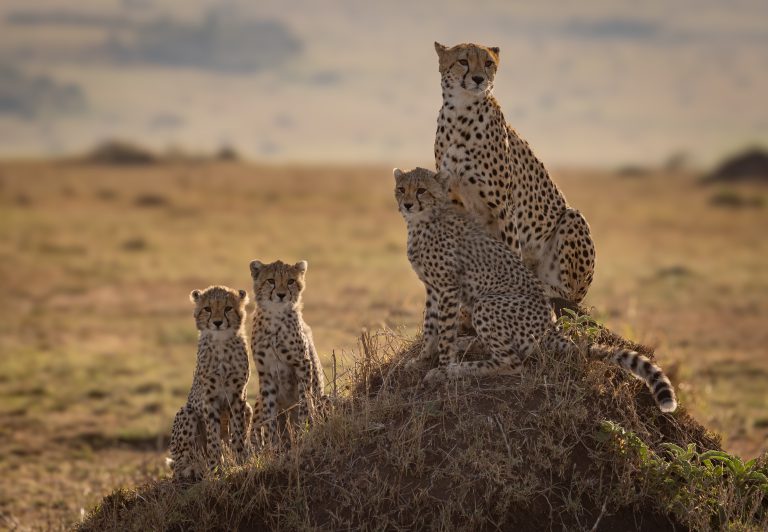
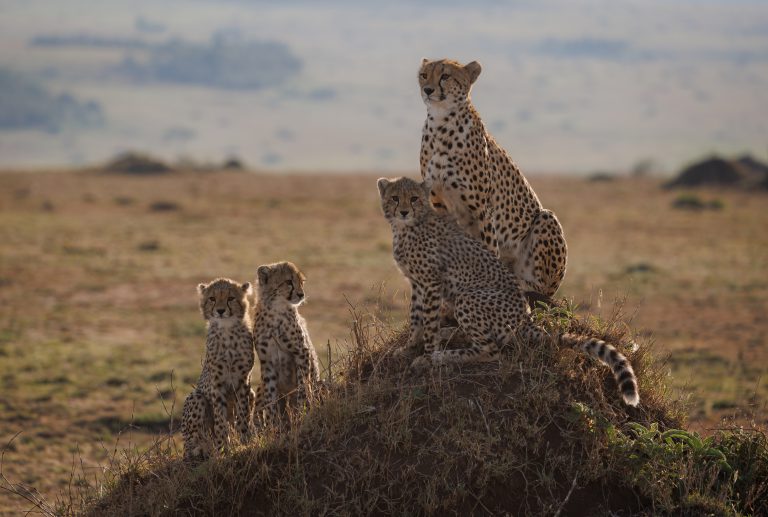
The journey begins among the elephant herds and giant baobabs of Tarangire before heading out onto the great plains of the Serengeti in search of lion, cheetah, and the herds they follow. The safari ends with a descent into the Ngorongoro Crater, a natural wildlife amphitheatre where lion, elephant, buffalo, and black rhino share the crater floor.
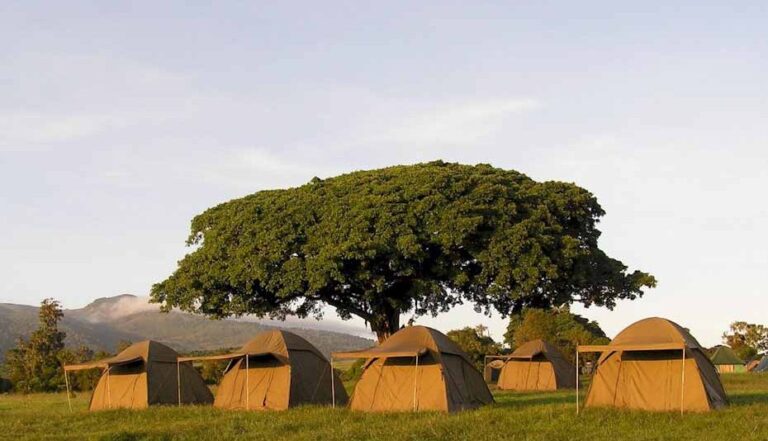
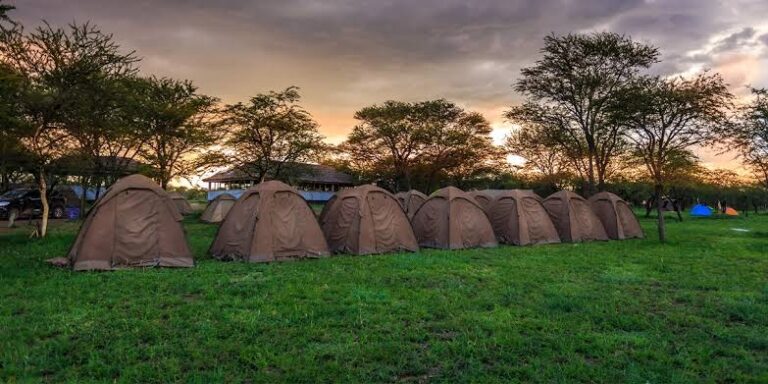
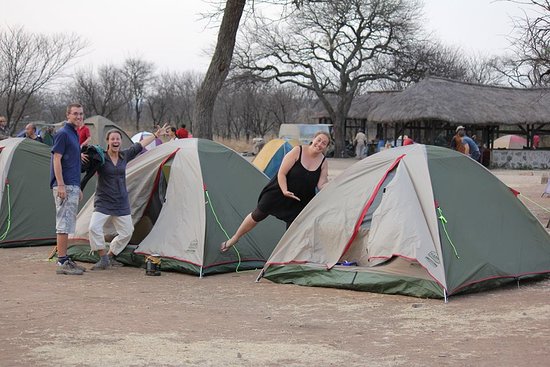
Nights are spent under canvas at tented campsites on a full-board basis while on safari, making this a great-value option for adventurous travellers and small groups of up to six guests sharing one vehicle.
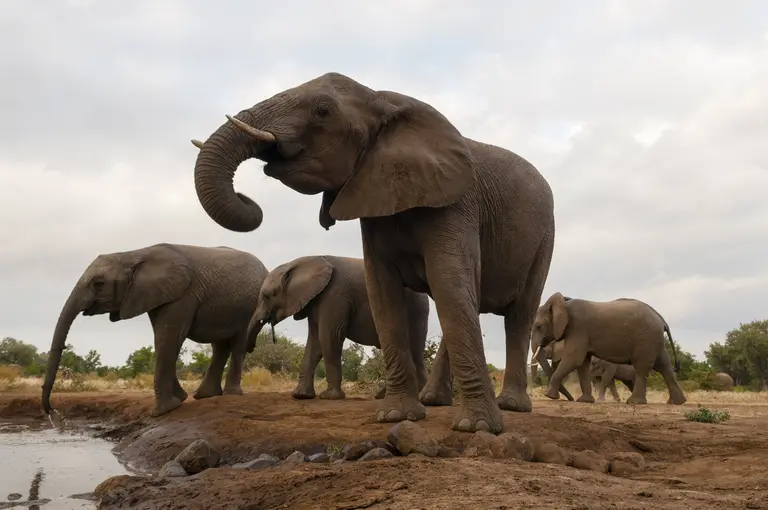
Pickup from your Arusha hotel at 08:30 and drive to Tarangire National Park, known for its large elephant herds, ancient baobab trees, and wildlife along the Tarangire River. After a picnic lunch and an afternoon game drive among elephants, giraffe, and lions, return to camp for dinner and overnight. Approx. 2.5 hours driving.
After breakfast, depart for the Serengeti National Park. Enjoy a game drive across the plains in search of large predators and the great herds of herbivores they follow, before dinner and overnight at your Serengeti camp. Approx. 4.5 hours driving.


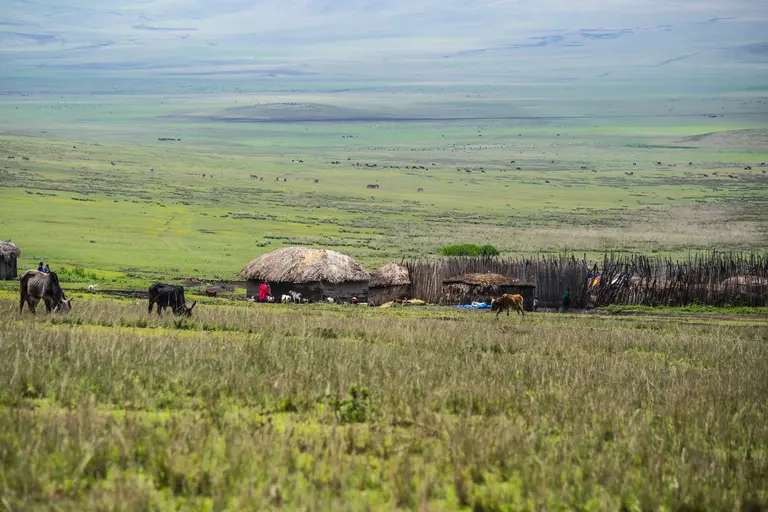
After breakfast, enjoy a morning game drive in the Serengeti, then drive toward the Ngorongoro highlands with a picnic lunch. An optional Maasai village visit and a stop at Olduvai Gorge are available en route at extra cost. Dinner and overnight at your Ngorongoro camp.
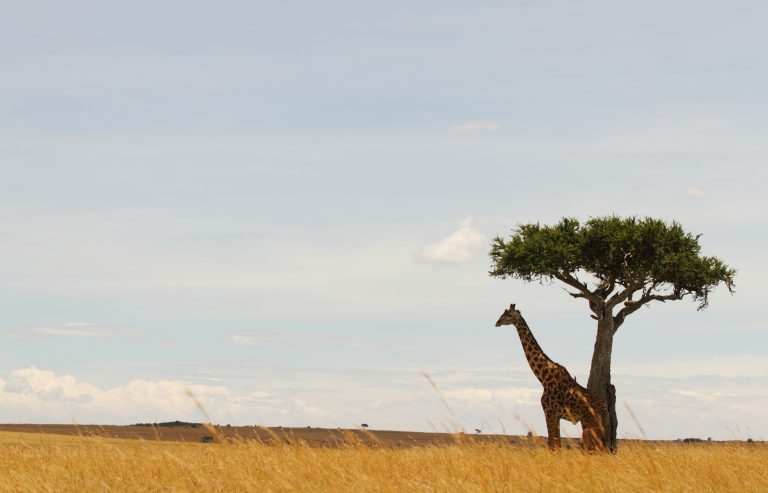
After breakfast, descend into the Ngorongoro Crater for around six hours of game viewing on the crater floor, home to lion, leopard, rhino, elephant, and buffalo. Later, ascend from the crater and drive back to Arusha, where the safari ends. Approx. 3.5 hours driving.
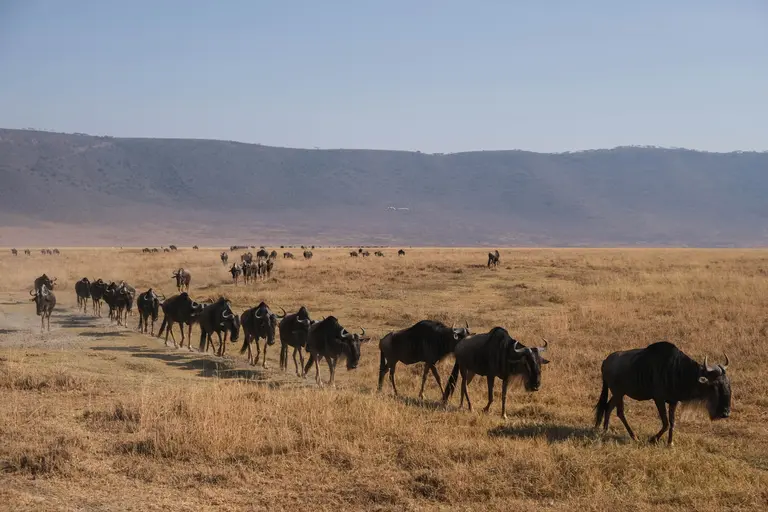
Every day of this itinerary is tailor-made and can be shaped around your dates, pace and budget. When you are ready, our team handles every detail - you simply arrive and enjoy.
Yes – unless stated otherwise, our safaris are private departures for your party only, with your own driver-guide and 4×4 vehicle. You set the pace and can adjust game-drive times with your guide each day.
Your quote covers park and conservation fees, accommodation on the stated board basis, a professional English-speaking driver-guide, a private safari vehicle with a pop-up roof, game drives per the itinerary, and drinking water in the vehicle. International flights, visas, travel insurance, tips and personal expenses are excluded.
Tanzania is a year-round destination. June to October offers classic dry-season game viewing; the green season (November to May) brings lush scenery, newborn animals and fewer crowds. The Great Migration moves through the Serengeti all year – tell us your dates and we will advise where the herds are likely to be.
Absolutely. Every itinerary is a starting point – we tailor the parks, pace, lodges and length to your interests and budget. Just let us know what you have in mind and we will build it around you.
Once you are happy with the plan we confirm availability and send a booking form and invoice. A deposit secures your dates, with the balance due before travel. We confirm exact amounts and payment options when you enquire.
Most visitors need a tourist visa for Tanzania (available online or on arrival) and a yellow-fever certificate if arriving from a risk country. We recommend consulting a travel clinic about malaria prevention and routine vaccinations well before departure.
Tell us your dates and what matters most - our team designs every journey by hand and replies within 24 hours, seven days a week.
Tarangire National Park is a classic safari destination in northern Tanzania, famous for its wild, dramatic landscapes dominated by thousands of ancient baobab trees. The park’s eco-landscape centers around the perennial Tarangire River, which serves as the primary northern water source during the harsh dry season. The surrounding terrain is a beautiful mix of open acacia savannah, seasonal swamps, and deep river valleys that create a highly photogenic backdrop for big-game viewing.
During the dry months from July to October, the park experiences a massive mini-migration as thousands of animals travel from the surrounding dry Maasai Steppe to gather along the riverbanks. Tarangire is world-renowned for hosting some of the largest elephant herds in Africa, with groups of up to 300 individuals frequently seen bathing and digging for water in the dry riverbeds. This high concentration of prey draws prominent predator populations, including tree-climbing lions, leopards, and large packs of spotted hyenas.
Safari activities focus on extensive game driving along the river loops, alongside options for guided bush walking tours and bird-watching excursions to spot over 500 native species. Logistics are straightforward, with the main park gate located roughly a comfortable two-hour drive on paved roads from Arusha town. Accommodations are diverse and upscale, featuring luxury eco-lodges perched on scenic ridges, elevated treehouse suites built directly into living baobabs, and classic mobile tented camps.

The Serengeti National Park is Tanzania’s flagship safari destination and a world-renowned wilderness sanctuary celebrated for its immense, uninterrupted sense of space. The eco-landscape is defined by its iconic, endless short-grass plains, granite rock outcroppings (kopjes), and riverine forests that stretch north toward Kenya’s Maasai Mara. The park is a highly dynamic ecosystem that changes radically with the seasons, transforming from a golden, windswept desert in the dry months to a vibrant green sea of grass after the rains.
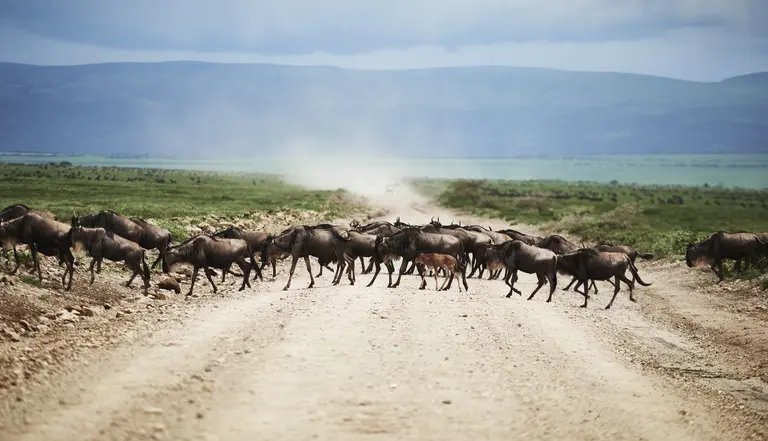
The park is the definitive home of the Great Wildebeest Migration, a continuous annual cycle where over two million wildebeests, zebras, and gazelles march across the plains in search of fresh grazing land. This massive concentration of migratory prey supports Africa’s highest density of large apex predators, making it common to see lions hunting in teams, cheetahs tracking game from the kopjes, and leopards resting in sausage trees. The wildlife volume here is widely considered second to none, delivering exceptional big-game viewing throughout the year.
The primary safari activities revolve around morning and afternoon game drives, long-range migration tracking, and iconic hot air balloon safaris over the savannah at sunrise. Logistics are supported by a well-maintained network of internal airstrips (such as Seronera and Kogatende) connecting directly to Arusha, alongside traditional driving access via the Ngorongoro Conservation Area. Accommodations represent the pinnacle of safari hospitality, ranging from ultra-luxury permanent stone lodges to exclusive, mobile canvas tented camps that relocate seasonally to match the moving herds.
The Ngorongoro Crater is a breathtaking global wonder, standing as the world’s largest intact, unfilled volcanic caldera and a protected UNESCO World Heritage Site. The eco-landscape is a self-contained Eden, featuring a 600-meter-deep rock wall that encloses a diverse interior floor filled with open grasslands, acacia forests, swamps, and a central alkaline lake. This unique geographical bowl creates a highly concentrated ecosystem where over 25,000 large mammals live year-round within a compact, easily explorable space.
The crater floor offers one of the absolute best opportunities in Africa to view the endangered Black Rhino roaming in its natural habitat. The resident wildlife population is incredibly dense, featuring prominent prides of black-maned lions, massive bull elephants, spotted hyenas, and vast herds of wildebeest, zebras, and gazelles. Due to the rich grazing land and constant water supply, the animals have no need to migrate, resulting in world-class big-game viewings across all seasons.
Activities are strictly regulated, consisting of half-day or full-day game drive descents down the steep, single-track volcanic walls into the caldera floor. Logistics involve a scenic drive up through the cool, misty montane forest of the crater rim, which requires specialized 4×4 safari vehicles and official park permits. Accommodations are legendary, featuring ultra-luxury stone lodges built directly along the crater rim to offer panoramic, bird’s-eye views of the landscape below.
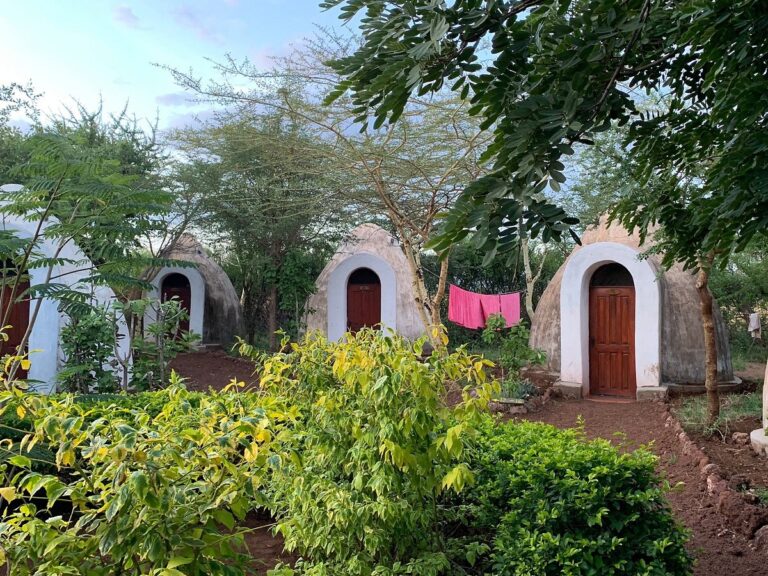
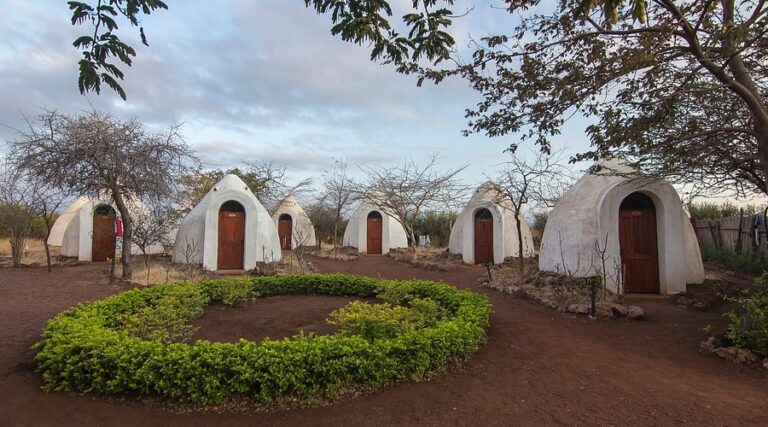
Panorama Safari Camp sits on the Rift Valley escarpment near Mto wa Mbu, with panoramic views over Lake Manyara. It is a budget base used at the start of a camping safari, well placed for Lake Manyara and the road north.
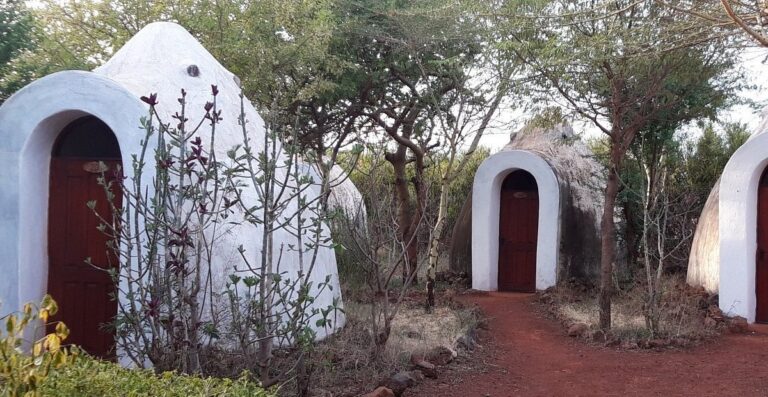
This is a basic camp offering simple beehive-style bungalows or permanent tents with shared bathroom facilities. Comfort is modest, and the appeal is the setting and the views rather than luxury.
There is a restaurant, a bar and a curio shop on site, and on a camping safari the crew handles tents and meals. It should be understood as a budget camp, not a lodge.

Serengeti Seronera Camp is a basic public campsite in the central Seronera area of the Serengeti, in the heart of the park’s wildlife. It is used on camping safaris for its central position and quick access to game drives.
This is a shared public campsite rather than a lodge, with simple facilities and no hotel-style comforts. Guests sleep in the safari operator’s tents, and the site is shared with other groups.
Meals, tents and camp support are handled by the safari crew, not the campsite. It should be presented honestly as a budget wilderness camping stop in the middle of the Serengeti.