
Which Tanzanian Parks Deserve Your Days: An Honest Guide to Planning a Northern Circuit Safari
July 7, 2026 · AfricanX
The standard northern circuit itinerary tries to fit Tarangire, Lake Manyara, the Serengeti and the Ngorongoro Crater into six days, and it half works. You see all four and you rush all four, and you spend a surprising amount of your holiday looking at the inside of a Land Cruiser.
Here is a more honest way to decide where your days should go.
Serengeti: give it more than you think
The Serengeti is roughly the size of Northern Ireland. One night there is close to pointless, because you will spend most of your time driving in and driving out. Two nights is the workable minimum. Three is where it starts to come good, and four is where people stop looking at their watches.
Where you stay inside it matters as much as how long. Seronera in the central region is reliable year round for resident game and has the highest big cat density, but it is also the busiest. The north around Kogatende is where the river crossings happen from roughly July to October. The south and Ndutu is where the wildebeest calve from around January to March, and it is the best time of the whole year for predator action.
Chasing the migration to the wrong corner in the wrong month is the most common and most expensive planning mistake we see. Tell us your dates first, and let the dates choose the region.
Ngorongoro Crater: one day, and only one
The crater is genuinely extraordinary. Two hundred and sixty square kilometres of enclosed caldera holding somewhere around 25,000 large animals, including the best chance in Tanzania of seeing black rhino.
It is also a single day. The descent road opens at 6am, the fee covers a set period, and by mid morning in high season there can be a great many vehicles around a single lion. Go down at first light, do a full day, come out. Almost nobody needs two crater days, and the money is better spent on an extra Serengeti night.
Sleep on the rim the night before so you are at the descent road when it opens. That single decision improves the day more than anything else.
Tarangire: better than its reputation, in the right season
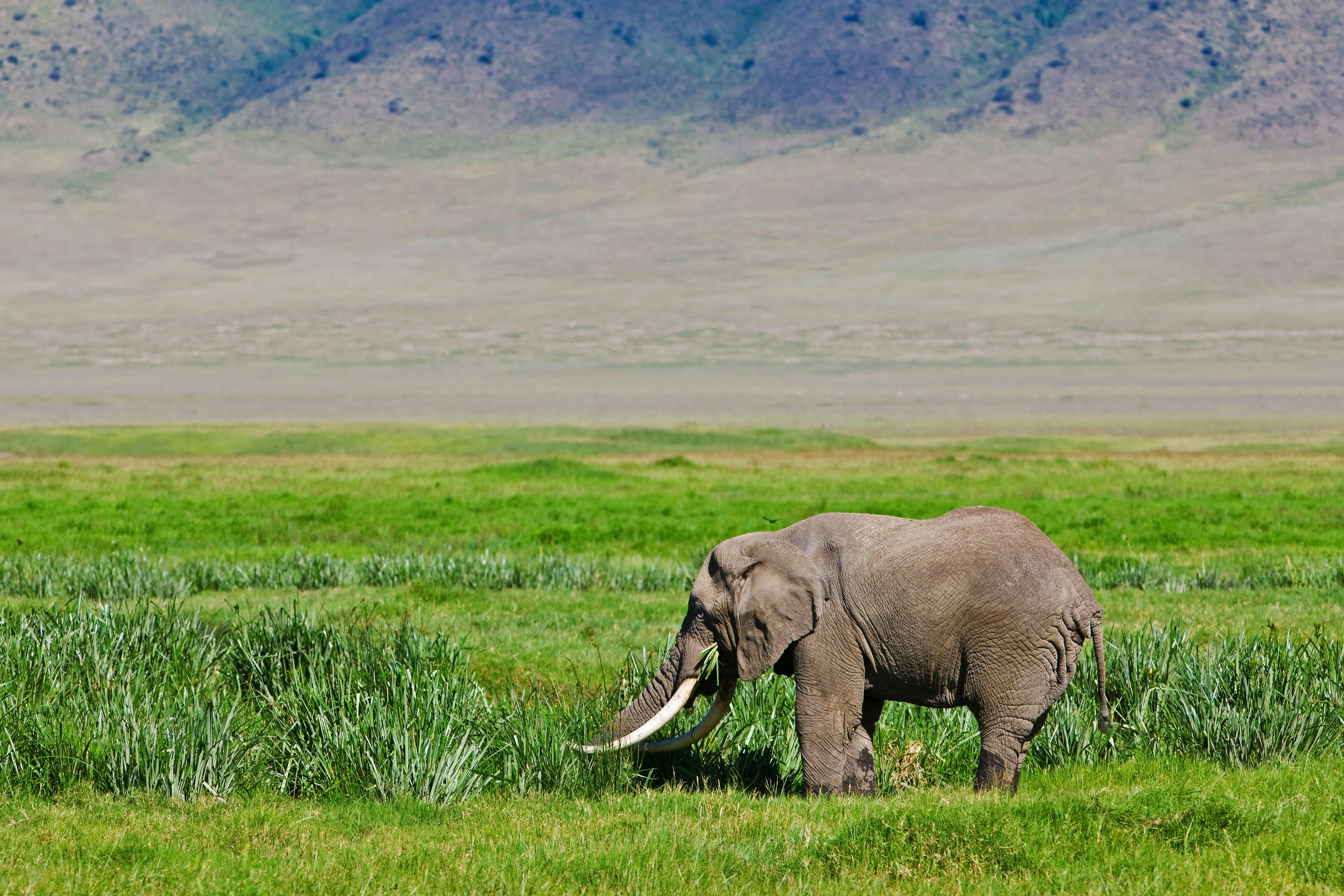
Tarangire is frequently treated as a warm up on the way to somewhere better, which is a shame. In the dry season, roughly July through October, the Tarangire River becomes the only reliable water for a long way and the concentration of elephant is genuinely remarkable. Herds in the hundreds, baobabs, far fewer vehicles than the crater.
In the green season it is a different and much quieter park, because the animals disperse and there is water everywhere. Still pleasant, much less spectacular. One night, two if you are there in the dry months and you like elephant.
Lake Manyara: be honest about it
Manyara is small, pretty, easy to reach, and it is the park most likely to disappoint someone who has just come from the Serengeti. The groundwater forest is lovely, the flamingos are seasonal and depend entirely on water levels, and the tree climbing lions are real but far from guaranteed.
It works well as a half day on the way to somewhere else, particularly on the drive up from Arusha. If your trip is six days or shorter, dropping Manyara and putting the day into the Serengeti is almost always the better trade. If you have longer, or you are a keen birder, it earns its place.
The drive times nobody mentions
| Leg | Realistic driving time |
|---|---|
| Arusha to Tarangire | 2 to 2.5 hours |
| Tarangire to Karatu or the crater rim | 2 to 3 hours |
| Crater rim to central Serengeti | 4 to 5 hours, more with game viewing |
| Central Serengeti to the northern Serengeti | 4 to 6 hours |
| Central Serengeti back to Arusha | 7 to 8 hours, a genuinely long day |
Those are on rough roads in a vehicle with the roof up. They are not motorway hours. This is the main argument for flying at least one leg.
How to spend the days you have
Four days. Tarangire, crater, two nights central Serengeti. Fly back from the Serengeti rather than driving, or you lose most of a day.
Six days. Tarangire one night, crater rim one night with a full crater day, Serengeti three nights. Skip Manyara without regret.
Eight days. As above, plus two more Serengeti nights in a second region, or add Lake Natron or the Empakai Crater for something completely different from the vehicle based routine.
Ten days or more. Now the quieter places open up: the southern Serengeti in calving season, Ndutu, the Ngorongoro highlands on foot, or a link to Zanzibar for the end.
Fly or drive
Driving shows you the country, the Rift Valley escarpment, the villages and the changing landscape, and it is cheaper. Flying buys you back a day and a half on a Serengeti trip and spares you the long return leg.
Our usual recommendation on trips of a week or less is to drive up and fly back. You get the scenery on the way in, when it is new, and you get the time on the way out, when you would rather be looking at animals than at road.
Tell us your dates, your budget and what you most want to see, and we will build the routing around the season instead of the other way round. Start a conversation here.