Kilimanjaro
Mount Kilimanjaro
Stand on the roof of Africa
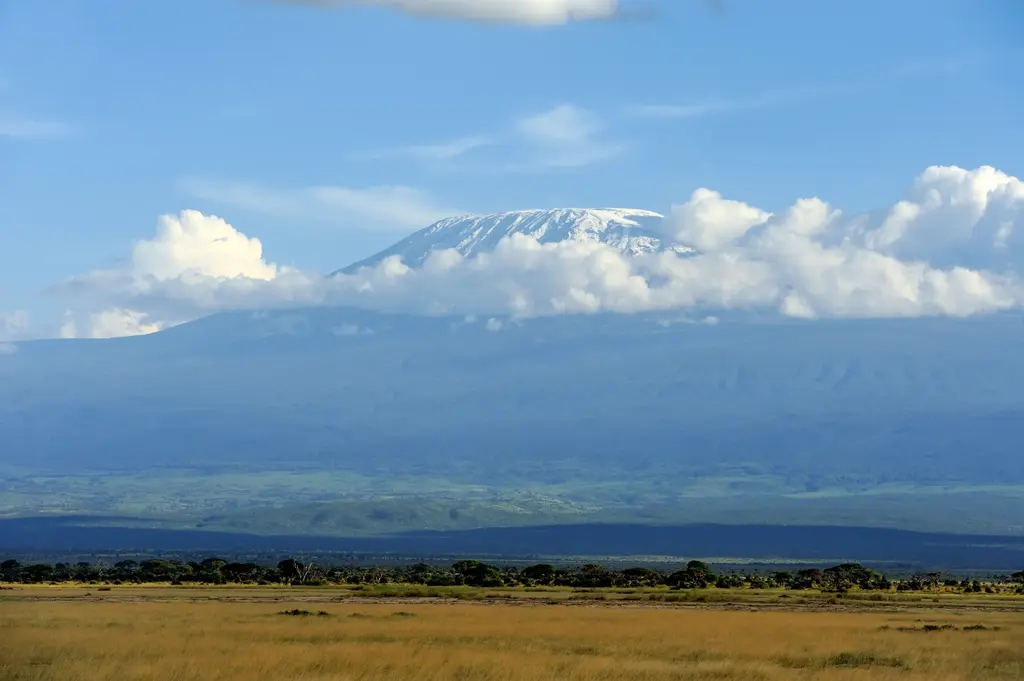
At 5,895m, Kilimanjaro is the highest mountain in Africa and the tallest free-standing peak on earth - and the moment you reach Uhuru Peak stays with you for life. As Arusha-based mountain specialists, we run every major route and plan each climb around your fitness, your acclimatisation and your best chance of the summit.
Choose your route
Machame, Lemosho, Marangu or Rongai
Six ways up the mountain, each with its own character. We'll help you choose the route that matches your fitness, timeframe and taste for solitude.
Machame Route
Good acclimatisation
- Days
- 7
- Difficulty
- Moderate-Hard
- Start
- 1,800 m
The scenic "Whiskey Route", dramatic and popular, with excellent acclimatisation.
Enquire about Machame- StartMachame Gate 1,800 m
- Day 1Machame Camp 2,835 m
- Day 2Shira Cave Camp 3,750 m
- Day 3via Lava Tower (4,600 m) to Barranco Camp 3,900 m
- Day 4Karanga Camp 3,995 m
- Day 5Barafu Camp 4,673 m
- Day 6via Uhuru Peak (5,895 m) to Mweka Camp 3,100 m
- Day 7Mweka Gate 1,640 m
Approximate camp altitudes for the usual itinerary; yours is planned with you.
Lemosho Route
Excellent acclimatisation
- Days
- 8
- Difficulty
- Moderate
- Start
- 2,100 m
The most beautiful approach, crossing the Shira Plateau, with a long, gradual climb profile.
Enquire about Lemosho- StartLondorossi Gate 2,100 m
- Day 1Mti Mkubwa Camp 2,650 m
- Day 2Shira 1 Camp 3,610 m
- Day 3Shira 2 Camp 3,850 m
- Day 4via Lava Tower (4,600 m) to Barranco Camp 3,900 m
- Day 5Karanga Camp 3,995 m
- Day 6Barafu Camp 4,673 m
- Day 7via Uhuru Peak (5,895 m) to Mweka Camp 3,100 m
- Day 8Mweka Gate 1,640 m
Approximate camp altitudes for the usual itinerary; yours is planned with you.
Marangu Route
Huts, not tents
- Days
- 6
- Difficulty
- Moderate
- Start
- 1,860 m
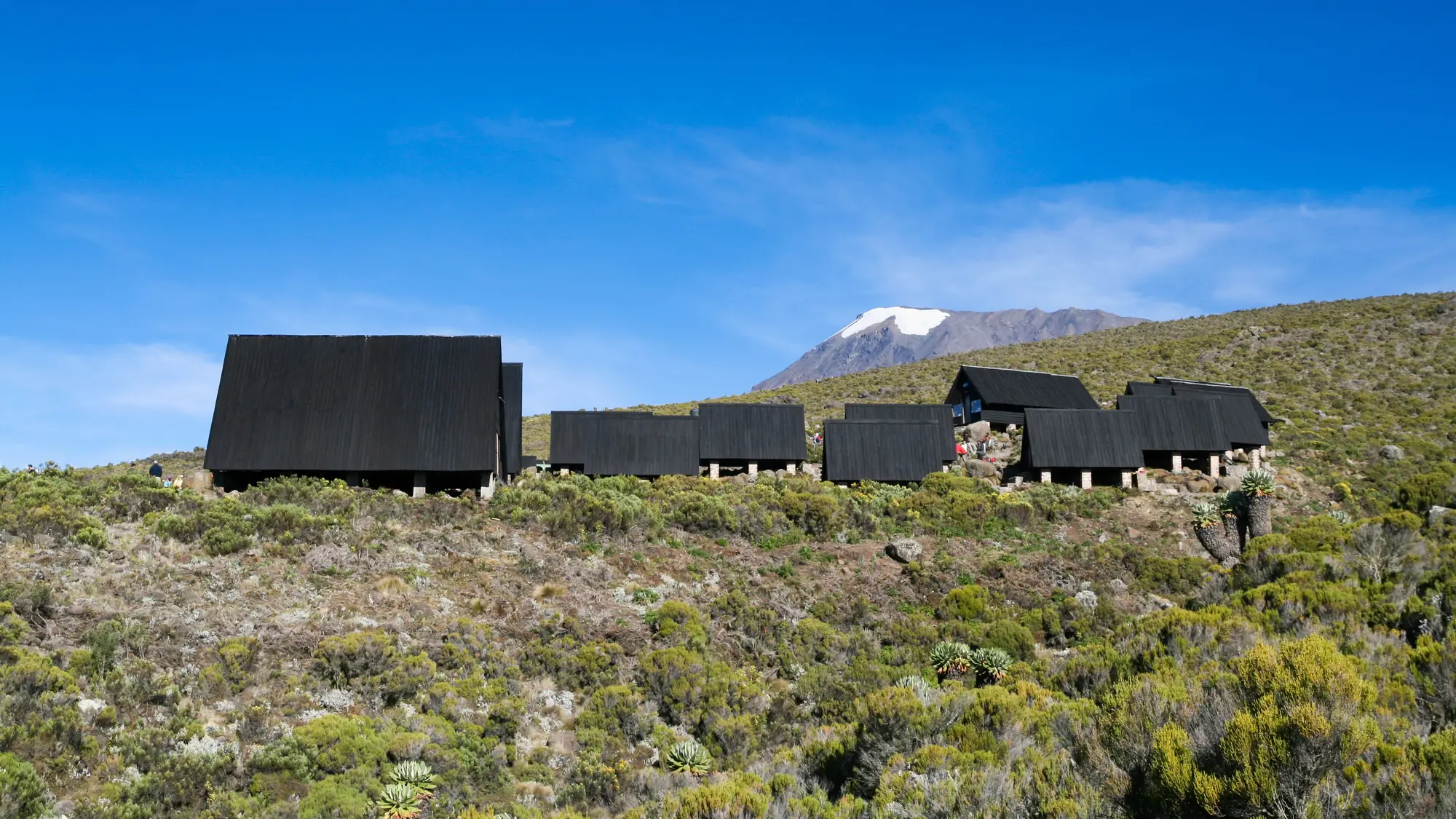
The classic "Coca-Cola Route", the only trail with comfortable hut accommodation.
Enquire about Marangu- StartMarangu Gate 1,860 m
- Day 1Mandara Hut 2,720 m
- Day 2Horombo Hut 3,720 m
- Day 3via Zebra Rocks (4,020 m) to Horombo Hut 3,720 m
- Day 4Kibo Hut 4,703 m
- Day 5via Uhuru Peak (5,895 m) to Horombo Hut 3,720 m
- Day 6Marangu Gate 1,860 m
Approximate camp altitudes for the usual itinerary; yours is planned with you.
Rongai Route
Quietest approach
- Days
- 7
- Difficulty
- Moderate
- Start
- 1,950 m
Approaches from the quieter north, ideal in the wetter months. Remote and gentle.
Enquire about Rongai- StartRongai Gate 1,950 m
- Day 1Simba Camp 2,625 m
- Day 2Second Cave 3,450 m
- Day 3Kikelewa Camp 3,630 m
- Day 4Mawenzi Tarn 4,330 m
- Day 5Kibo Hut 4,703 m
- Day 6via Uhuru Peak (5,895 m) to Horombo Hut 3,720 m
- Day 7Marangu Gate 1,860 m
Approximate camp altitudes for the usual itinerary; yours is planned with you.
Northern Circuit
Longest on the mountain
- Days
- 9
- Difficulty
- Moderate
- Start
- 2,100 m
The longest and quietest route, and the most gradual ascent profile on the mountain.
Enquire about Northern Circuit- StartLondorossi Gate 2,100 m
- Day 1Mti Mkubwa Camp 2,650 m
- Day 2Shira 1 Camp 3,610 m
- Day 3Shira 2 Camp 3,850 m
- Day 4Moir Hut 4,200 m
- Day 5Buffalo Camp 4,020 m
- Day 6Third Cave 3,870 m
- Day 7School Hut 4,750 m
- Day 8via Uhuru Peak (5,895 m) to Mweka Camp 3,100 m
- Day 9Mweka Gate 1,640 m
Approximate camp altitudes for the usual itinerary; yours is planned with you.
Umbwe Route
Steep and direct
- Days
- 6
- Difficulty
- Hard
- Start
- 1,600 m
Steep, direct and challenging, for fit, experienced trekkers seeking a raw ascent.
Enquire about Umbwe- StartUmbwe Gate 1,600 m
- Day 1Umbwe Cave Camp 2,850 m
- Day 2Barranco Camp 3,900 m
- Day 3Karanga Camp 3,995 m
- Day 4Barafu Camp 4,673 m
- Day 5via Uhuru Peak (5,895 m) to Mweka Camp 3,100 m
- Day 6Mweka Gate 1,640 m
Approximate camp altitudes for the usual itinerary; yours is planned with you.
Before you climb
Everything you need to reach the summit
Uhuru Peak rises to 5,895m, the highest point in Africa and the tallest free-standing mountain on earth. Reaching it asks less for raw fitness than for heart, patience and the right team beside you, and we have guided climbers to that dawn-lit summit sign for years.
- Have you ever watched the sunrise break above the clouds?
- Could you stand on the highest point in all of Africa?
- Are you ready to discover what you are truly capable of?
- What story will you bring home from the Roof of Africa?
Upcoming trips
Join a scheduled group climb
Share the trail (and the cost) with a small international group. Pick a departure below and reserve your place - every climb is guided by our own Tanzanian mountain crew.
24
Oct
24th Oct - 30th Oct
Rongai Route
Filling fast, 3 left
13
Nov
13th Nov - 19th Nov
Rongai Route
Open for booking, 7 places
2
Dec
2nd Dec - 8th Dec
Machame Route
9 places available
16
Dec
16th Dec - 24th Dec
Northern Circuit
Only 3 places left
2
Jan
2nd Jan - 8th Jan
Machame Route
Confirmed departure
6
Jan
6th Jan - 12th Jan
Machame Route
Confirmed departure
12
Jan
12th Jan - 18th Jan
Machame Route
Confirmed departure
20
Jan
20th Jan - 27th Jan
Lemosho Route
Confirmed departure
26
Jan
26th Jan - 2nd Feb
Lemosho Route
Confirmed departure
28
Jan
28th Jan - 3rd Feb
Machame Route
Confirmed departure
6
Feb
6th Feb - 12th Feb
Machame Route
Confirmed departure
11
Feb
11th Feb - 18th Feb
Lemosho Route
Confirmed departure
13
Feb
13th Feb - 19th Feb
Machame Route
Confirmed departure
23
Feb
23rd Feb - 2nd Mar
Lemosho Route
Confirmed departure
26
Feb
26th Feb - 4th Mar
Machame Route
Confirmed departure
2
Mar
2nd Mar - 8th Mar
Machame Route
Confirmed departure
4
Mar
4th Mar - 11th Mar
Lemosho Route
Confirmed departure
13
Mar
13th Mar - 19th Mar
Machame Route
Confirmed departure
18
Mar
18th Mar - 24th Mar
Machame Route
Confirmed departure
4
Jul
4th Jul - 10th Jul
Machame Route
Confirmed departure
10
Jul
10th Jul - 17th Jul
Lemosho Route
Confirmed departure
13
Jul
13th Jul - 19th Jul
Machame Route
Confirmed departure
16
Jul
16th Jul - 23rd Jul
Lemosho Route
Confirmed departure
25
Jul
25th Jul - 31st Jul
Machame Route
Confirmed departure
1
Aug
1st Aug - 8th Aug
Lemosho Route
Confirmed departure
10
Aug
10th Aug - 17th Aug
Lemosho Route
Confirmed departure
12
Aug
12th Aug - 18th Aug
Machame Route
Confirmed departure
16
Aug
16th Aug - 23rd Aug
Lemosho Route
Confirmed departure
16
Aug
16th Aug - 22nd Aug
Machame Route
Confirmed departure
18
Aug
18th Aug - 24th Aug
Machame Route
Confirmed departure
27
Aug
27th Aug - 2nd Sep
Machame Route
Confirmed departure
28
Aug
28th Aug - 3rd Sep
Machame Route
Confirmed departure
3
Sep
3rd Sep - 9th Sep
Machame Route
Confirmed departure
6
Sep
6th Sep - 12th Sep
Machame Route
Confirmed departure
8
Sep
8th Sep - 15th Sep
Lemosho Route
Confirmed departure
14
Sep
14th Sep - 20th Sep
Machame Route
Confirmed departure
16
Sep
16th Sep - 23rd Sep
Lemosho Route
Confirmed departure
19
Sep
19th Sep - 25th Sep
Machame Route
Confirmed departure
23
Sep
23rd Sep - 30th Sep
Lemosho Route
Confirmed departure
24
Sep
24th Sep - 30th Sep
Machame Route
Confirmed departure
27
Sep
27th Sep - 4th Oct
Lemosho Route
Confirmed departure
28
Sep
28th Sep - 4th Oct
Machame Route
Confirmed departure
4
Oct
4th Oct - 11th Oct
Lemosho Route
Confirmed departure
5
Oct
5th Oct - 11th Oct
Machame Route
Confirmed departure
6
Oct
6th Oct - 13th Oct
Lemosho Route
Confirmed departure
11
Oct
11th Oct - 18th Oct
Lemosho Route
Confirmed departure
14
Oct
14th Oct - 20th Oct
Machame Route
Confirmed departure
16
Oct
16th Oct - 22nd Oct
Machame Route
Confirmed departure
23
Oct
23rd Oct - 29th Oct
Machame Route
Confirmed departure
24
Oct
24th Oct - 31st Oct
Lemosho Route
Confirmed departure
29
Oct
29th Oct - 5th Nov
Lemosho Route
Confirmed departure
30
Oct
30th Oct - 5th Nov
Machame Route
Confirmed departure
3
Nov
3rd Nov - 9th Nov
Machame Route
Confirmed departure
5
Nov
5th Nov - 11th Nov
Machame Route
Confirmed departure
9
Nov
9th Nov - 15th Nov
Machame Route
Confirmed departure
12
Nov
12th Nov - 18th Nov
Machame Route
Confirmed departure
14
Nov
14th Nov - 21st Nov
Lemosho Route
Confirmed departure
16
Nov
16th Nov - 23rd Nov
Lemosho Route
Confirmed departure
22
Nov
22nd Nov - 28th Nov
Machame Route
Confirmed departure
27
Nov
27th Nov - 4th Dec
Lemosho Route
Confirmed departure
28
Nov
28th Nov - 4th Dec
Machame Route
Confirmed departure
30
Nov
30th Nov - 6th Dec
Machame Route
Confirmed departure
5
Dec
5th Dec - 11th Dec
Machame Route
Confirmed departure
8
Dec
8th Dec - 14th Dec
Machame Route
Confirmed departure
10
Dec
10th Dec - 16th Dec
Machame Route
Confirmed departure
11
Dec
11th Dec - 18th Dec
Lemosho Route
Confirmed departure
15
Dec
15th Dec - 21st Dec
Machame Route
Confirmed departure
16
Dec
16th Dec - 23rd Dec
Lemosho Route
Confirmed departure
19
Dec
19th Dec - 26th Dec
Lemosho Route
Confirmed departure
21
Dec
21st Dec - 27th Dec
Machame Route
Confirmed departure
22
Dec
22nd Dec - 29th Dec
Lemosho Route
Confirmed departure
28
Dec
28th Dec - 4th Jan
Lemosho Route
Confirmed departure
29
Dec
29th Dec - 4th Jan
Machame Route
Confirmed departure
4
Jan
4th Jan - 12th Jan
Northern Circuit
Open for booking, 8 places
10
Jan
10th Jan - 16th Jan
Rongai Route
Open for booking, 6 places
6
Feb
6th Feb - 13th Feb
Lemosho Route
11 places available
15
Feb
15th Feb - 22nd Feb
Lemosho Route
Filling fast, 2 left
5
Mar
5th Mar - 11th Mar
Rongai Route
6 spaces left
18
Mar
18th Mar - 23rd Mar
Umbwe Route
10 spaces left
2
Jun
2nd Jun - 8th Jun
Machame Route
Open for booking, 10 places
15
Jun
15th Jun - 23rd Jun
Northern Circuit
Open for booking, 8 places
11
Jul
11th Jul - 19th Jul
Northern Circuit
11 spaces left
16
Jul
16th Jul - 22nd Jul
Rongai Route
Open for booking, 8 places
22
Jul
22nd Jul - 28th Jul
Machame Route
8 places available
7
Aug
7th Aug - 14th Aug
Lemosho Route
Guaranteed departure
13
Aug
13th Aug - 19th Aug
Rongai Route
10 spaces left
20
Aug
20th Aug - 25th Aug
Umbwe Route
9 places available
5
Sep
5th Sep - 11th Sep
Machame Route
6 places available
15
Sep
15th Sep - 22nd Sep
Lemosho Route
10 spaces left
24
Sep
24th Sep - 29th Sep
Marangu Route
11 places available
4
Oct
4th Oct - 10th Oct
Machame Route
Open for booking, 9 places
20
Oct
20th Oct - 26th Oct
Machame Route
9 places available
17
Nov
17th Nov - 23rd Nov
Machame Route
Open for booking, 8 places
17
Dec
17th Dec - 23rd Dec
Machame Route
8 places available
24
Dec
24th Dec - 30th Dec
Machame Route
Open for booking, 12 places
No departures this month - try another month or year.
Climb with confidence
Why climb with us
A safe summit is a well-planned one. Here is how we get more of our climbers to the top, and all of them home safely.
Safety first
Daily health checks, pulse oximeters, emergency oxygen and a rescue plan on every climb.
Ethical mountain crews
Fair wages, proper gear and enforced load limits for the porters and guides who carry every climb.
Acclimatise properly
We favour longer routes and "climb high, sleep low" days, the single biggest factor in reaching the summit.
Ready-made treks
Kilimanjaro packages
Fixed departures and private climbs on every major route.
Kilimanjaro

Kilimanjaro
Kilimanjaro
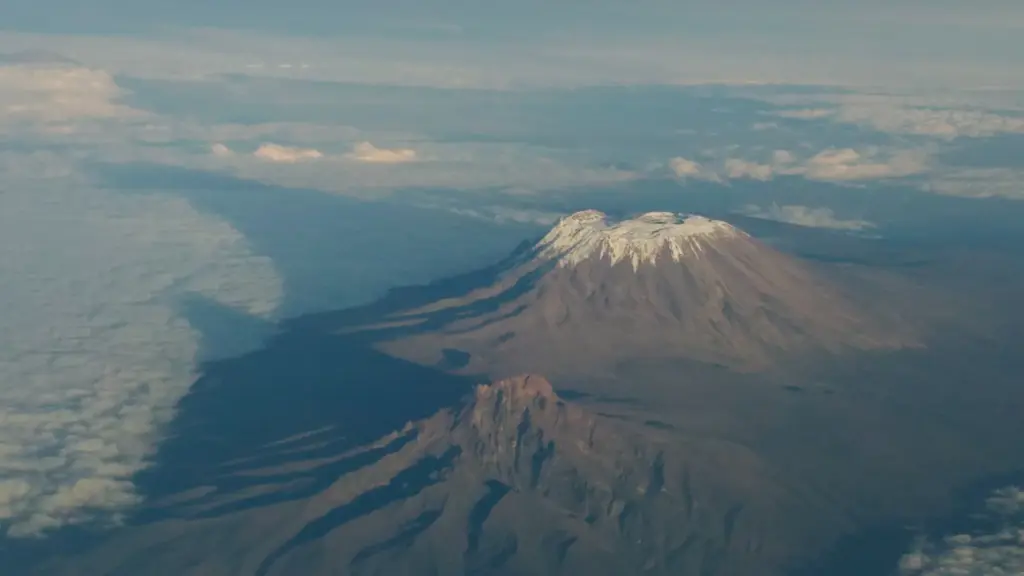
Kilimanjaro
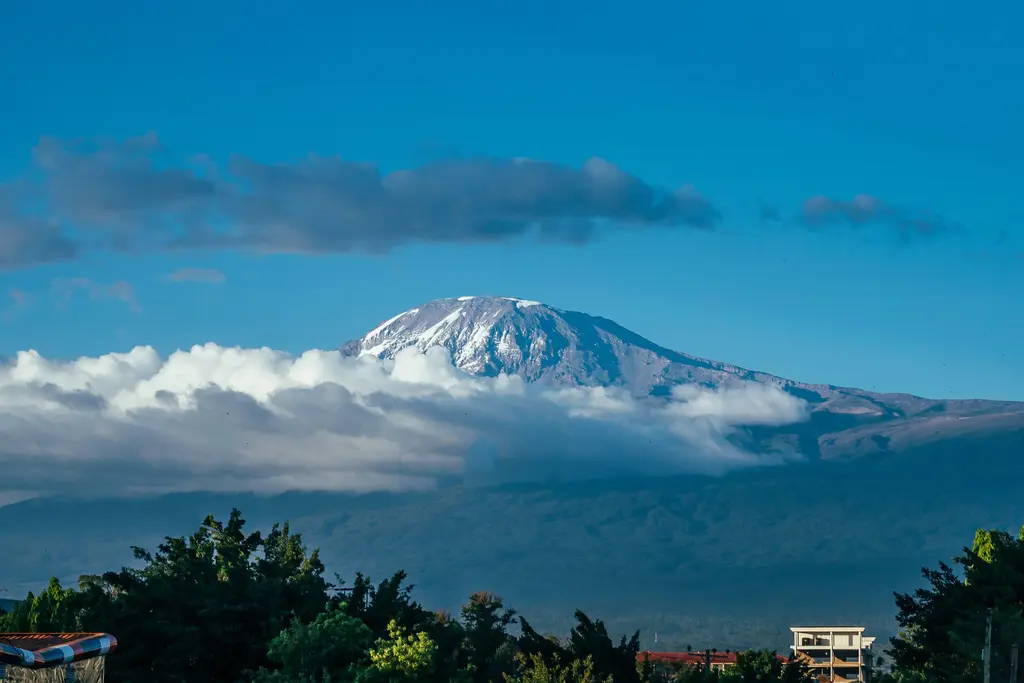
Kilimanjaro questions
Good to know before you climb
Kilimanjaro is a trek, not a technical climb - no ropes or mountaineering skills are needed. The real challenge is altitude, which is why route choice and acclimatisation days matter so much. With good preparation, most reasonably fit people can summit.
Longer routes win. The Northern Circuit (9 days) and Lemosho (8 days) give your body the most time to adjust, and our success rates on them exceed 98%. Shorter routes like the 6-day Marangu have lower averages.
Focus on cardio endurance and long hikes with a daypack, ideally over hills. Practising several consecutive days of walking is more useful than raw speed. We send every climber a full training guide.
Park fees, professional guides, a full mountain crew, all meals and camping or hut accommodation, quality tents and safety equipment, and airport transfers. Personal gear, tips and travel insurance are excluded.
Side by side
Which route is actually right for you?
The cards above tell you what each route is like. This tells you how they differ, in the four things that decide whether you enjoy the week: time on the mountain, where you sleep, how gently you gain height, and how many other people you share the trail with.
| Route | Days | Distance | Sleeping | Approach | Acclimatisation | How busy | From |
|---|---|---|---|---|---|---|---|
| Lemosho First-timers who want the best odds and the best scenery. | 7-8 | 70 km | Tents | West | Best | Quiet early | $2,300 8-day trip |
| Machame Fit trekkers happy to share the trail for a dramatic route. | 6-7 | 62 km | Tents | South-west | Very good | Busy | $1,800 6-day trip |
| Northern Circuit Anyone with the time. The longest route and the gentlest on the body. | 9 | 90 km | Tents | West then north | Best | Very quiet | On request |
| Rongai The wetter months - the north side is the driest approach. | 6-7 | 73 km | Tents | North | Good | Quiet | On request |
| Marangu Climbers who want a bed and a roof, and are short on days. | 5-6 | 72 km | Huts | South-east | Limited | Busy | $1,390 5-day trip |
| Umbwe Experienced trekkers only. Steep, direct and unforgiving. | 6 | 53 km | Tents | South | Hardest | Very quiet | On request |
More dots means more time for your body to adjust, or a quieter trail. We do not publish a summit percentage here, because the figure means nothing without knowing how an operator counts it. Ask us and we will talk you through our own record on the route you are considering.
Your body, and your bag
What the altitude does, and what to carry
Kilimanjaro is a walk, not a climb. Almost everyone who struggles struggles with the air, not the path, so this is the part worth reading twice.
At 5,895 m there is about half the oxygen
Every breath at Uhuru Peak carries roughly half the oxygen of the same breath in Arusha. Your body can adapt to that, but only at its own pace, which is why we walk pole pole - slowly, slowly - and why a longer route beats a fit pair of legs.
- Headache, appetite loss and broken sleep are common and usually fine.
- Dizziness, vomiting, breathlessness at rest or confusion are not. Tell your guide immediately.
- Altitude sickness is not about fitness or age. It can affect anyone, and the only reliable cure is going down.
Before you fly
- See your doctor about altitude medication. Do not self-prescribe.
- Yellow fever certificate if you are arriving from a country where it is present.
- Travel insurance that explicitly covers trekking to 6,000 m and emergency evacuation.
- Break your boots in at home. A blister on day one is a long week.
What we carry for you
- Four-season tents, sleeping mats and all camp kitchen equipment.
- Every meal on the mountain, plus filtered drinking water each day.
- Park fees, rescue fees and camping or hut fees.
- A guide carrying a pulse oximeter and emergency oxygen, with daily health checks.
What you bring
- Layers, not bulk: base layers, fleece, insulated jacket, waterproof shell.
- Broken-in waterproof boots, plus camp shoes for the evening.
- Headtorch with spare batteries - summit night starts around midnight.
- Sleeping bag rated to -10 C, sun cream, lip balm, sunglasses.
Sleeping bags, jackets and poles can be hired in Arusha. Tell us what you are missing and we will have it waiting.

Start your adventure
Ready to reach the summit?
Tell us your dates and fitness level and we'll recommend the ideal route - then guide you every step to Uhuru Peak.
Reserve a place
Join this climb
Send your details and we'll confirm availability within 24 hours.